Role of astrocytes in the formation of anxiety has been identified
For a long time, astrocytes were considered to be exclusively auxiliary cells that ensure the vital activity of neurons. However, recent neurophysiological data indicate that in the basolateral amygdala, the fear center of the brain, it is these cells that control the process of assessing external threats. The calcium activity of astrocytes does not simply duplicate neuronal impulses, but rather represents an independent and more accurate code for recognizing danger.
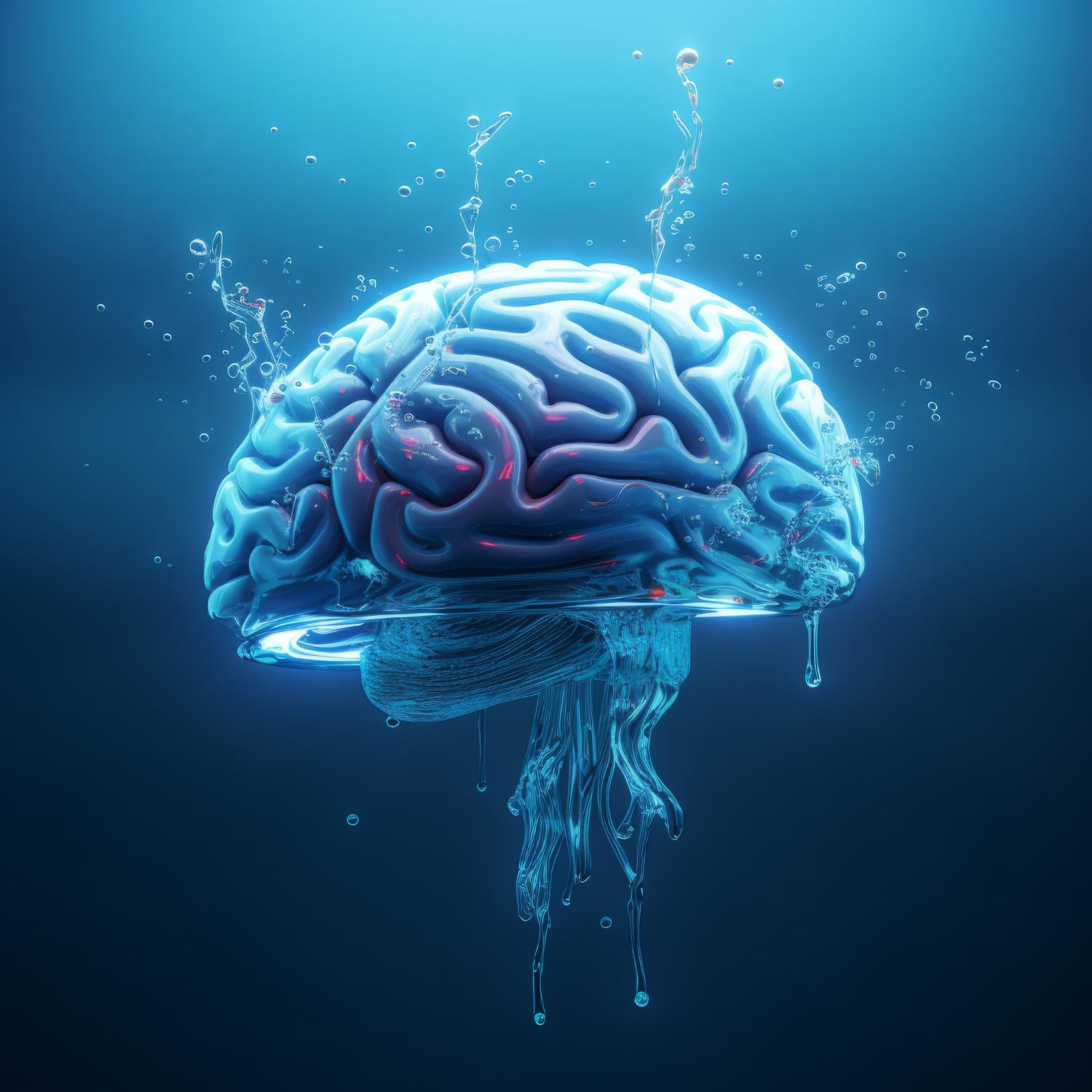
This mechanism is based on a response to norepinephrine, a stress hormone that is released into the amygdala from a region of the brain called the locus coeruleus. When the level of norepinephrine in the brain increases in response to a stressor, the adrenergic receptors on the surface of astrocytes activate the release of calcium. This process is directly correlated with the intensity of anxiety: the faster and more intense the calcium signal, the faster the organism stops exploring its environment and enters a state of defensive freezing or avoidance.
This connection was experimentally confirmed using tests of behavior in aversive (disgusting or fear-inducing) conditions. It was found that individuals with high innate anxiety have a significantly lower threshold for astrocyte activation. Interestingly, data on the activity of these cells provides a more accurate prediction of a subject’s behavior and location in a dangerous area compared to neuronal activity. This suggests that astrocytes act as alarm dispatchers, processing incoming signals from other parts of the brain and shaping the final emotional response.
The identified causal relationship between astrocyte adrenoreceptor activity and anxious behavior opens up new possibilities for pharmacology. While traditional medications primarily target neural transmission, new therapeutic approaches can focus on regulating the functions of glial cells. This is crucial for treating generalized anxiety disorder, where threat assessment mechanisms malfunction even in the absence of actual danger.
Published
March, 2026
Category
Science
Duration of reading
2-3 minutes
Share


Source
Scientific Journal Neuron . Article: Basolateral amygdala astrocytes encode anxiety states
Don’t miss the most important science and health updates!
Subscribe to our newsletter and get the most important news straight to your inbox