Role of mitochondrial DNA in cancer and age-related diseases has been identified
Mitochondria are cellular organelles that provide the synthesis of adenosine triphosphate (ATP), which is essential for energy metabolism. During the evolution process that began approximately 1.5 billion years ago, mitochondria retained their own genetic material, known as mitochondrial DNA (mtDNA). Unlike nuclear DNA, mtDNA has a significantly higher rate of mutation accumulation due to its less efficient repair mechanisms. To date, more than 260 hereditary mtDNA mutations capable of causing severe pathologies have been identified in humans.
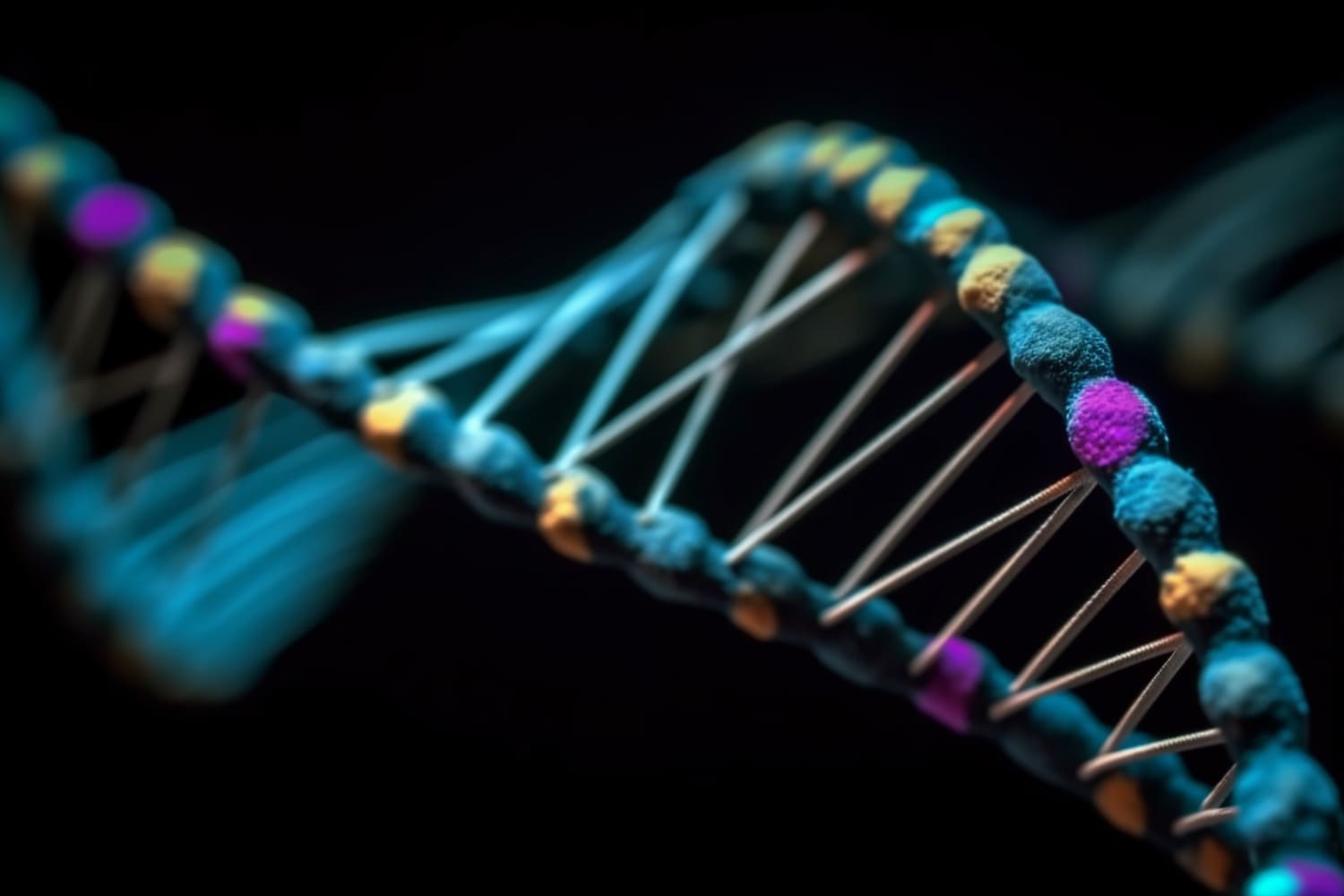
Mitochondrial dysfunction has a systemic effect on the body, but the most pronounced damage is observed in organs with high levels of energy consumption, such as the brain and heart. The clinical manifestations of mtDNA mutations include migraines, muscle weakness, and progressive hearing and vision loss. For a long time, studying the specific mechanisms of these diseases was difficult due to the complexity of creating biological models: it could take several years to develop a single line of mice with a specific mutation.
Scientists at the Salk Institute have developed a new technology platform that significantly accelerates the study of mtDNA variations. The method relies on the use of a protein called mitochondrial DNA polymerase, which generates random mutations in mtDNA. The resulting genetic material is then transferred to stem cells, which are integrated into mouse embryos. This scalable approach has resulted in the creation of a library of 155 mutant cell lines, each with unique mitochondrial function characteristics.
The conducted tests confirmed the applicability of the platform for studying the early stages of life. The researchers found a direct correlation between the functional state of mitochondria and the success of embryonic development. This confirms the hypothesis of the existence of a basic energy threshold necessary for the normal formation of an organism. The scale of the created library is comparable to the diversity of known human pathogenic mutations, making it an important resource for translational medicine.
The prospects for using this development go beyond the treatment of rare hereditary syndromes. Mitochondrial dysfunction is a concomitant factor in the development of cancer and natural aging processes. The new platform allows for the modeling of mutations that occur not only as a result of heredity, but also under the influence of external factors or age-related changes. This accelerates the search for therapeutic targets and the development of drugs for the correction of cellular energy metabolism.
The introduction of such tools into research practice will allow for the systematization of knowledge about the impact of mtDNA variability on physiological adaptation and disease mechanisms. The researchers plan to adapt the platform for use with human models, which will bring us closer to developing personalized treatments for mitochondrial disorders and associated conditions.
Published
April, 2026
Category
Science
Duration of reading
3-4 minutes
Share


Source
Scientific journal Proceedings of the National Academy of Sciences. Article: A scalable embryonic stem cell–based platform for efficient generation of mitochondrial DNA mutant mice
Don’t miss the most important science and health updates!
Subscribe to our newsletter and get the most important news straight to your inbox