Relationship between molecular changes in DNA and future cancer risks
Intestinal cells are able to retain information about past inflammation for decades, even when the outward signs of the disease have completely disappeared. A study published in the journal Nature describes this process as the formation of persistent changes in the epigenome. Unlike genetic mutations that alter the DNA code itself, these changes affect the accessibility of specific regions of the genome for reading. Inflammation “unlocks” genes associated with growth and division, and these genes remain in this state even after tissue healing.
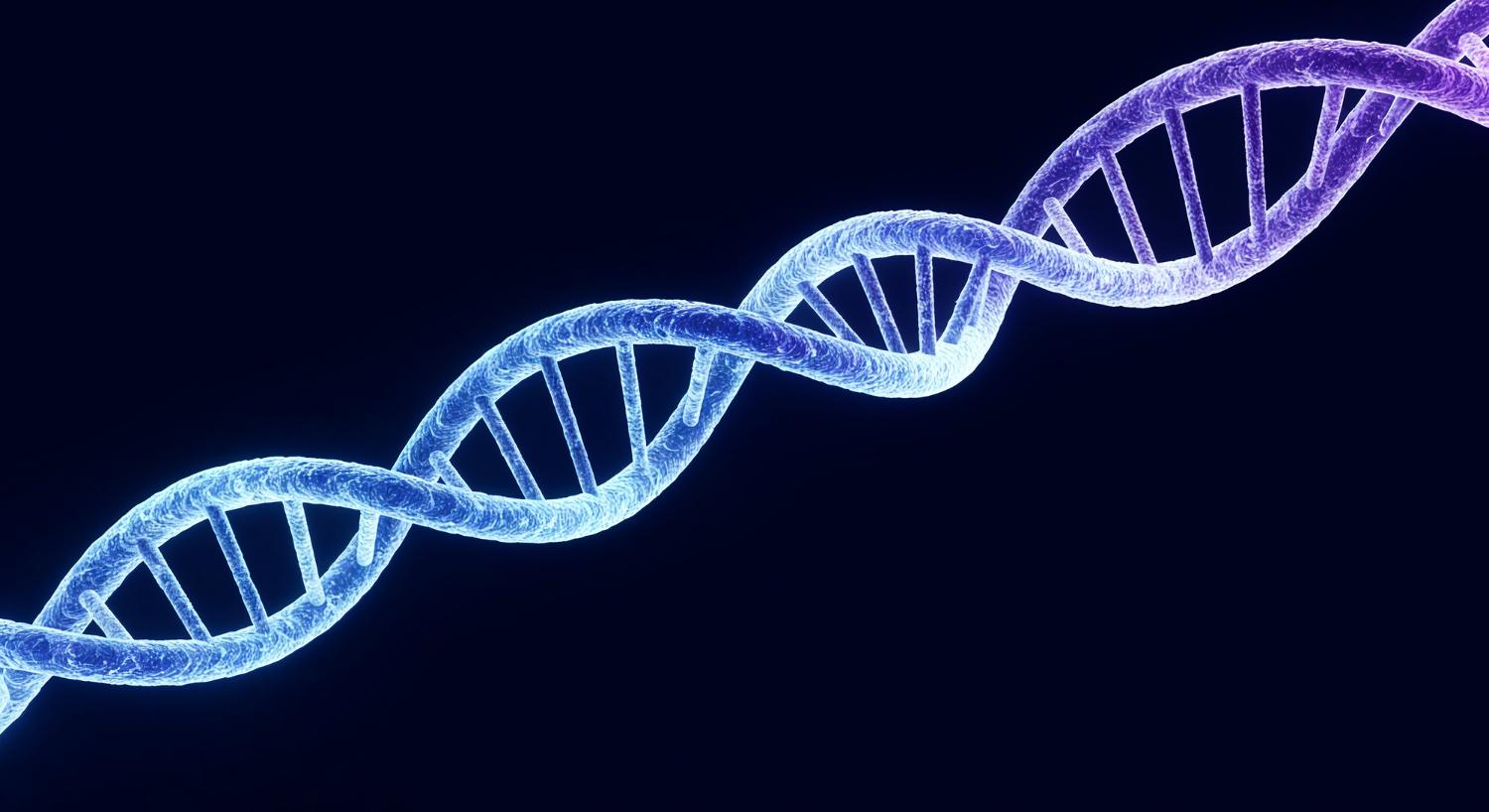
Stem cells that have been exposed to inflammation pass on this open structure to their daughter cells. As a result, the body develops entire groups of cells that are biologically programmed to grow rapidly. In their normal state, these cells function normally, but their altered epigenome acts as a fertile ground. If a random cancerous mutation occurs in one of these cells over the years, the resulting tumor tends to be more aggressive and faster-growing than those in tissues without a history of inflammation.
This mechanism explains why lifestyle choices or dietary habits during adolescence can influence the risk of cancer in adulthood. Environmental factors may be temporary, but their impact on gene accessibility is fixed at the cellular level. This changes our understanding of the causes of disease: while a DNA mutation alone may not always lead to cancer, the accumulated “experience” of past exposures plays a crucial role.
In the future, identifying these molecular traces will enable us to detect disease predispositions long before the onset of clinical symptoms. Scientists are currently exploring ways to detect these markers through simple tests to provide timely interventions for tissue health. This opens the way to creating a therapy that can “erase” the cells’ memory of inflammation, thereby preventing the onset of tumor processes.
Published
March, 2026
Category
Science
Duration of reading
2-3 minutes
Share


Source
Scientific Journal Nature. Article: Epigenetic memory of colitis promotes tumour growth
Don’t miss the most important science and health updates!
Subscribe to our newsletter and get the most important news straight to your inbox