Grain microgreens claim to be a superfood
Small sprouts of wheat, quinoa or amaranth contain several times more vitamins and minerals than mature cereals. They have already won the love of gourmets, and now they are seen as a solution to the world’s problems of nutrition and sustainable agriculture. But before reaching the plates of millions of people, these tiny plants will have to be tested for safety, accessibility and effectiveness.
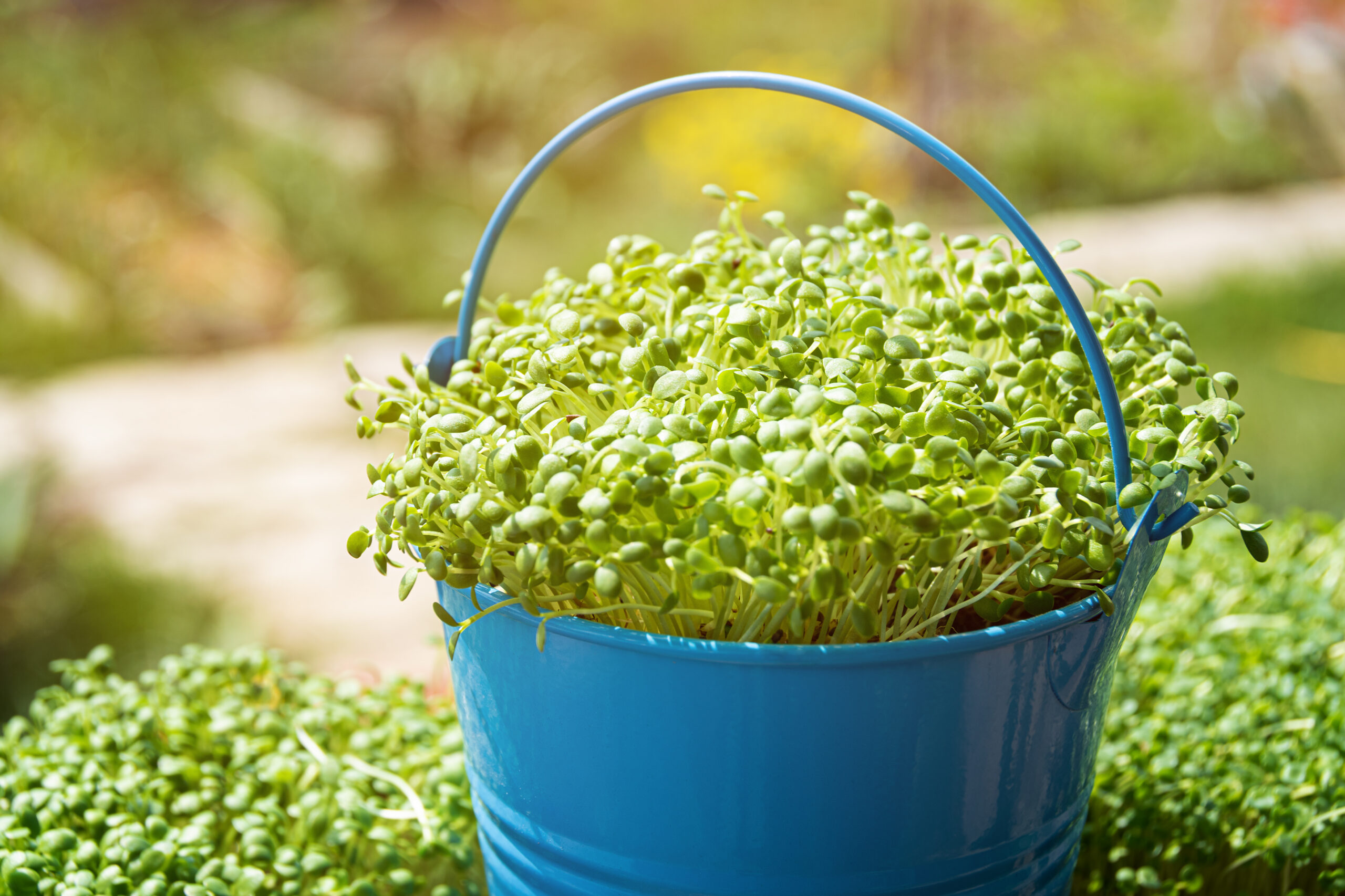
In recent years, the attention of nutritionists and farmers has been focused on microgreens, plants harvested at an early stage of growth. These tender shoots contain a shock dose of vitamins, antioxidants and other useful compounds, which are much less in mature grains.
When it comes to grains and pseudo-grain crops such as wheat, oats, quinoa or amaranth, the picture becomes especially impressive. Studies show that the levels of phosphorus, calcium, magnesium, zinc and iron in young sprouts are several times higher than in ordinary grains. They also contain a lot of vitamins C, E, provitamin A and K1, which support the immune system, improve metabolism and protect cells from damage.
The history of the popularity of microgreens began in San Francisco restaurants in the 1980s. Today, these plants are grown in greenhouses, on vertical farms, and even in apartments. They are appreciated not only for their taste and bright appearance, but also for their record nutritional content. The global microgreening market is projected to exceed $17 billion by 2025.
Unlike the usual seedlings, microgreens have a more pleasant texture and taste, as well as lower risks of infection with microbes. Usually, such plants are cut 10-21 days after sowing, and it is at this moment that they contain the maximum concentration of vitamins and bioactive substances.
Every culture has its own strengths. Wheat is rich in phenolic acids and flavonoids, oats and barley contain a lot of anthocyanins, quinoa and amaranth are distinguished by carotenoids and vitamin E, and chia contains a rich set of amino acids. This range of useful compounds helps not only to promote health, but also makes the taste brighter and the color richer.
The growing environment remains an important factor. Lighting, temperature, and even seasonality directly affect the antioxidant levels and mineral composition of microgreens. For example, longer lighting increases the chlorophyll content and antioxidant activity, and moderate temperatures help the sprouts form the right balance of proteins and sugars.
Microgreens can be added not only to salads, but also to juices, snacks, noodles and baked goods. Due to its high nutrient density, it is considered as a way to combat chronic diseases and vitamin deficiencies in different countries, as well as as a potential food product in space.
Nevertheless, difficulties remain. Such plants have a short shelf life, they are sensitive to growing conditions and are still more expensive than the usual products. Despite this, interest in microgreening continues to grow. And if the barriers can be overcome, it is possible that these tiny sprouts will become an important part of the diet of the future.
Published
September, 2025
Category
Medicine
Duration of reading
4—5 minutes
Share


Don’t miss the most important science and health updates!
Subscribe to our newsletter and get the most important news straight to your inbox