Zombie cells accelerate aging, but they can be destroyed
Cells that have stopped dividing but continue to exist in the body play a key role in aging and the development of serious diseases. These “zombie cells” weaken tissues, impair organ function and increase the risk of cancer. Scientists have found a way to effectively get rid of them without damaging healthy cells. The discovery, published in the journal Nature Aging, may become the basis for new methods of fighting age-related diseases.
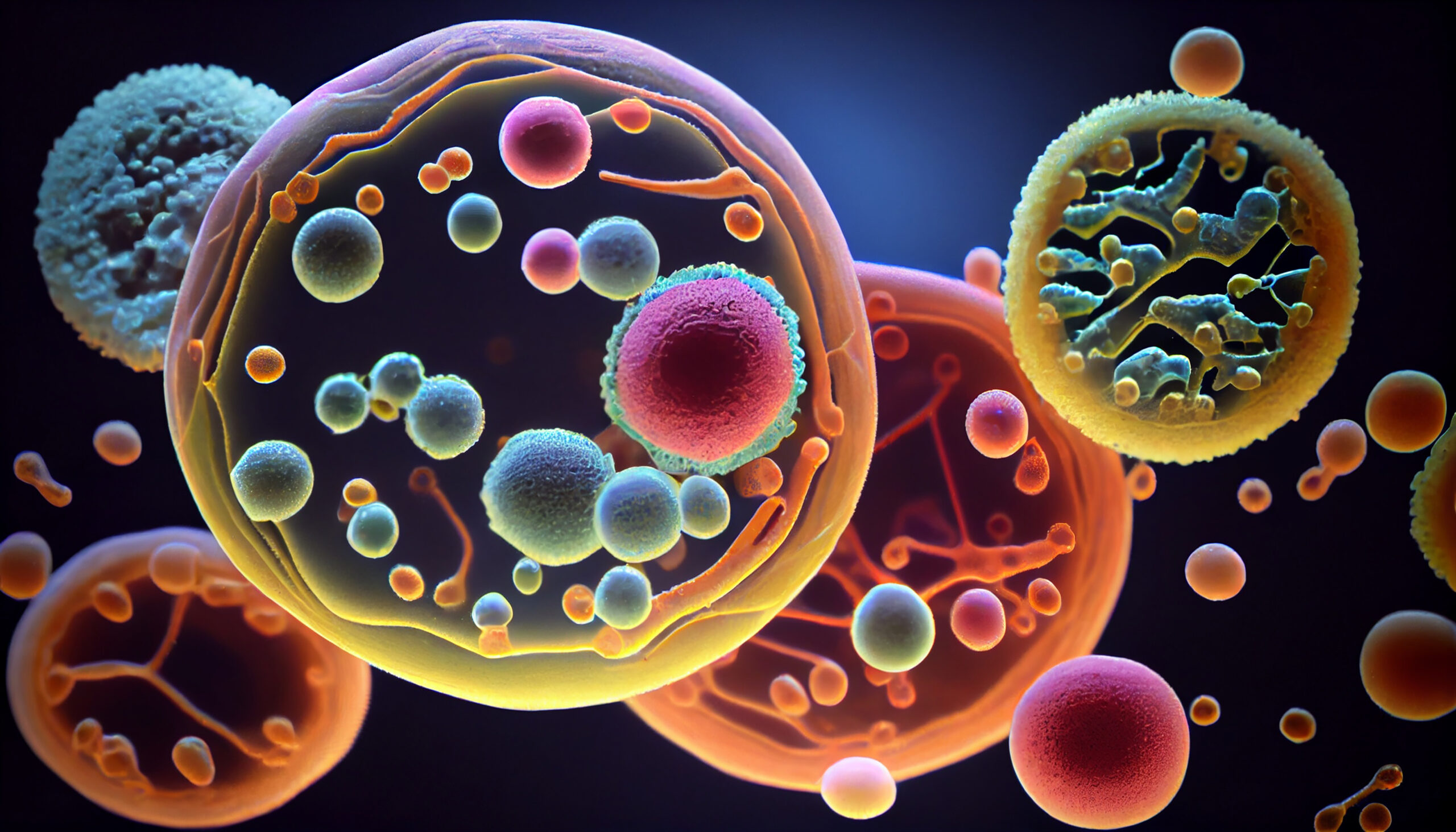
With age, the body accumulates cells that have lost the ability to divide. They do not fulfill their functions, but continue to secrete substances that cause inflammation and tissue destruction. This condition contributes to the development of oncology, heart disease, neurological disorders and autoimmune disorders.
Usually the body is able to cleanse itself of damaged elements, but with age this mechanism fails. As a result, “zombie cells” remain inside, weakening the immune system and accelerating aging. Their removal could be an effective way to combat age-related changes, but until now there has been no selective method.
Researchers from the University of Dundee, together with colleagues from Athens, have developed a technology that can accurately identify and destroy such cells without affecting healthy tissue. This method gives hope for the creation of new drugs that can slow aging and reduce the risk of dangerous diseases.
Previously, existing methods of removing “zombie cells” were not characterized by high accuracy, which caused side effects. Now scientists have created a platform that makes the process as selective as possible. According to Professor Vasilis Gorgullis, the new solution could lead to the creation of fundamentally new drugs against age-related diseases, including cancer.
After successful laboratory tests, scientists are planning further research to adapt the technology for clinical use. This discovery may not only prolong life, but also significantly improve its quality by ridding the body of cells that provoke disease and aging.
Published
March, 2025
Duration of reading
1-2 minutes
Category
Medicine
Share


Don’t miss the most important science and health updates!
Subscribe to our newsletter and get the most important news straight to your inbox