Optimism is one of the secrets to a long life
Most people believe that health depends on physical factors and is determined by healthy habits, heredity and good immunity. Consequently, if health fails a person, then harmful addictions, sedentary lifestyle, bad genes or infections are to blame. However, this traditional view is incomplete, because psychological phenomena such as optimism and pessimism have no less influence on the state of the body. Health, as research shows, is subject to conscious control. And if you learn to be optimistic, you can not only improve your health, but even significantly prolong your life and challenge the aging process.
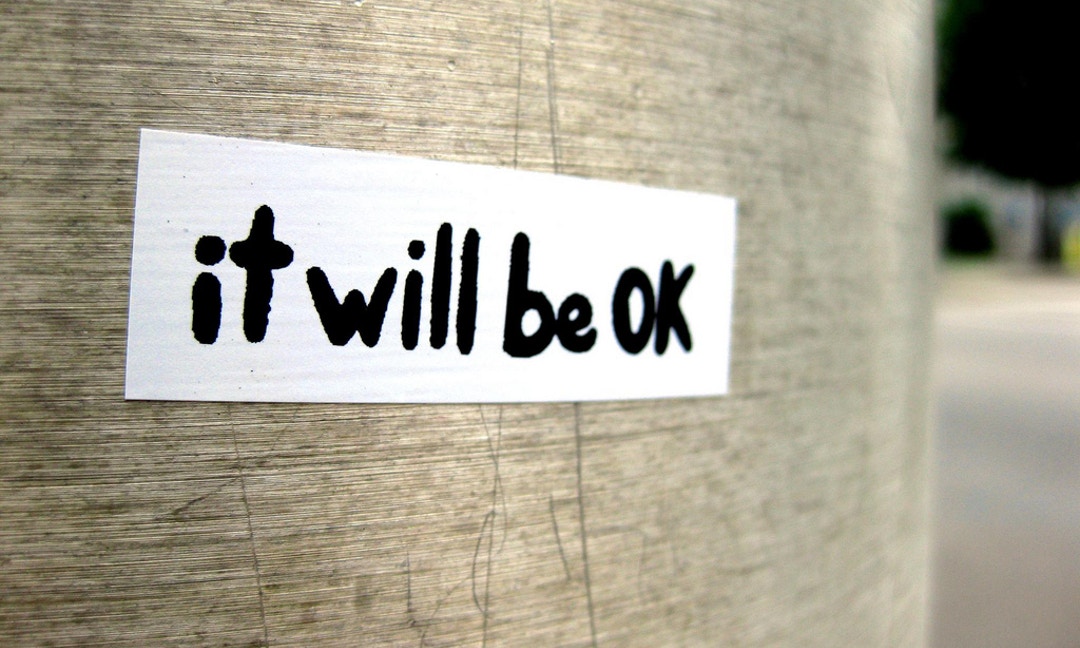
What is optimism?
Optimism (from Latin “optimus” – “the best”) is a life attitude, a positive view of oneself, the world around us and events in it. It is a belief in a better future and a positive outcome from any situation, in the fact that positive events are natural and natural. Some scientists believe that the integral components of optimism are the feeling of happiness, psychological (mental) comfort, good mood, experiencing positive emotions, activity and self-confidence.
Don’t miss the most important science and health updates!
Subscribe to our newsletter and get the most important news straight to your inbox
Optimism and good health
In recent years, researchers have sought and confirmed evidence in favor of the fact that psychological traits, especially optimism, can promote health. For example, experts from Harvard conducted a large-scale study among 70,000 nurses on the impact of optimistic mood on the risk of various diseases and mortality rates. It turned out that optimistic nurses were less likely to suffer from respiratory infections, had a lower probability of stroke, heart and lung disease, as well as cancer. Diabetes mellitus, hypertension and elevated levels of “bad” cholesterol were much less common among them. In addition, women with a positive mindset had a lower mortality rate over the entire study period from 2004 to 2012: they died 36% less often than their nurse colleagues with negative mental attitudes.
Researchers from the University of Pittsburgh analyzed data from 95,000 postmenopausal women and found that older optimistic women were less likely to develop coronary heart disease (CHD) than pessimistic women. What’s more, they had a low overall mortality rate from various natural causes over the entire eight years of the study. The same can be said for men: experts from the Harvard School of Public Health monitored the heart health of 1,306 elderly men for 10 years and also concluded that optimism may protect against the development of IHD.
A meta-analysis of 15 studies conducted by American specialists also revealed the undoubted benefit of optimism for cardiovascular health: optimists have a 35% lower risk of heart attacks and strokes, in contrast to pessimists. In addition, scientists believe that the higher the level of optimism, the lower the risk of heart disease and premature death.
A number of studies note that the way of thinking of optimists in the most favorable way affects their health in general. They tend to have a more active immune system, which contributes to low morbidity and quick recovery from surgeries, injuries or infections. They are better able to cope with physical pain, are more receptive to the effects of placebos, and have a lower chance of having a repeat heart attack.
Why are optimists healthier than pessimists?
According to some psychologists, the answer lies in the behavior and motivation of such people. Optimists try to “do the right things and avoid the wrong things”: they regularly attend medical check-ups, more carefully monitor their health and diet, smoke less often, exercise more often, in contrast to pessimists, and their weight indicators more often correspond to the norm. When it comes to relationships with loved ones, optimistic people show greater satisfaction with their relationships: they solve problems more constructively, show more support, cope better with crises and work harder to achieve well-being.
Another possible reason for a good level of health is the emotional reaction to distressing events: optimists demonstrate high stress resistance and more positivity, they know how to cope with themselves, so they can relieve physiological tension quite quickly. And a minimum of stress, as is known, contributes to the health of the body.
Is it possible to feel 25 at 60?
The way a person explains events that happen to him (from an optimistic or pessimistic point of view) certainly affects his health in later life. In a study organized by the Grant Foundation, American psychologists Martin Seligman, Chris Peterson, and George Weilant profiled men who had returned from war based on their essays, which the scientists processed using the CAVE technique (verbal analysis of written material). These documents contained many valuable pessimistic and optimistic explanations for psychologists. They then learned how the subjects’ lives turned out and found that in middle age, the pessimists began to encounter illnesses earlier and dealt with severe forms, and by the age of 45, this gap had widened significantly. Optimists, on the other hand, remained in the same level of health as they were at age 25. After carefully analyzing the data, the scientists concluded that optimism is the main component of good health after 45 and for the next 20 years.
Although declining health as we age is a universal phenomenon, people perceive and experience it differently. Recently, scientists from Seoul National Institute together with colleagues from Yonse University (South Korea) came to the conclusion that feeling younger than one’s actual age is the main component of good health in mature years. Conversely, subjective feeling older, as shown by fMRI, reflects faster brain aging. This was also confirmed by French and American scientists: subjects who felt 8-13 years older had an increased risk of early death (by 18-25%).
Optimism as a guarantee of a happy old age
The character traits of optimists are very important in youth, when people are healthy, engaged and successful – they help to improve the quality of life. In adulthood, as it may seem, they lose their importance and even more – they have no effect on health. However, this is far from being the case. Scientists from University College London have found out that the constant development and maintenance of life skills (psychologists are sure that they can be brought up in themselves) has a positive effect in old age.
More than eight thousand men and women from 52 to 90 years old took part in the questionnaire, where such qualities as responsibility, determination, emotional stability, self-control and optimism were evaluated. It turned out that people with developed skills demonstrated sustained psychological well-being (less feelings of loneliness and depression), a fast walking speed, a low number of chronic diseases and normal levels of biomarkers such as high-density lipoproteins (“good” cholesterol), vitamin D and C-reactive protein (a marker of inflammation), as well as moderate levels of body fat. And this trend persisted even four years after screening.
The study authors note that all five skills are equally important. Some other factors may have fallen out of their favor, but these personality traits can officially be considered the best friends of a happy old age.
The link between longevity and optimism
Positive emotions significantly increase the chances of prolonging life in patients with cardiovascular disease. This was revealed in a study conducted at Duke University (North Carolina, USA). Doctors observed a group of 866 people with coronary heart disease who underwent a cardiac catheterization procedure. The average age of the subjects was 60 years old. The tendency to optimism or pessimism was determined using a special test. People’s ability to experience joy, gratitude, euphoria, ability to dream and laugh carefree were evaluated. It turned out that a stable positive attitude by 20% increases the chances of patients to live another 11 years. According to doctors, the study established a clear link between the ability to experience positive emotions and the likelihood of prolonging life in people with cardiovascular disease.
That optimism promotes longevity has been proven by scientists at Boston University. Scientists used multiple regression analysis to calculate an odds ratio that quantitatively described the relationship of mindset to longevity. Calculation of data from more than 70,000 people, showed that optimistic men live 11% longer than pessimists, and optimistic women even longer – by 15%.
Pessimism and disease
There is now strong evidence that psychological states do affect health. Constant experience of unfavorable events and their pessimistic interpretation have a negative impact on well-being.
It’s like a “domino effect”: Martin Seligman writes that it all starts with loss/failure/defeat that causes a sense of helplessness. Later on, the constant experience becomes chronic, with people with a pessimistic mindset sinking into depression. This, in turn, through a series of hormonal changes leads to a decrease in immune activity, the body becomes vulnerable to pathogens, there is a possibility of infectious and somatic diseases. The body becomes sick and undergoes early aging. Each link in this chain, assures the psychologist, is verified and confirmed by research. Thus, pessimism and related disorders can be very harmful to human health.
Optimism can be learned
Given that optimism is useful in many areas of life, as well as positively affecting health and ageing processes, it is reasonable to ask: how to become more optimistic? And it is not a question of becoming an absolute and unconditional optimist, who will remain so in any situation and look at the world through rose-colored glasses. The task of a person is to learn “flexible” optimism: to develop a new attitude to failures, an alternative view of unfavorable events and a way of thinking about them, to resist depression and maintain morale – while staying within reason.
Cognitive behavioral therapy is widely used in clinical practice to treat depression and help people have a more optimistic attitude toward life. However, there is another way: psychologists believe that each person is able to increase the level of optimism independently. For example, Dutch scientists have proven that daily five-minute visualizations (specifically – presenting a better “version” of yourself) regardless of mood changes human perception to a positive one. In addition to these methods, meditation, breathing exercises and mindfulness practices have proven to work well. Changing the way of thinking – a difficult task, but available to everyone. If it is not possible to do it on your own, it is recommended to contact specialists.
There is no doubt that optimism is useful. And although it is not a panacea for all diseases and has its limitations (for example, it can interfere with the adequate perception of reality), nevertheless, such thinking has a number of advantages. “Flexible“ (”reasonable”) optimism allows a person to act in accordance with reality, to develop strategies, to make choices and, at the same time, to use them when necessary. It can be a good additional tool in the work of achieving goals, finding the meaning of life, fighting depression and bodily illnesses – in everything that will help a person not only to get the cherished years of life, but also to overcome the coming old age.
Literature
Zubtsov Yu. “Five keys to reasonable optimism”. Psychologies
Posokhova S. T. “Optimism: psychological content and personal meaning”.
Seligman M. “How to Learn Optimism. Change the view of the world and your life”
Photo: thenewslens.com
Published
June, 2024
Duration of reading
About 3-4 minutes
Category
Aging and youth
Share

