The role of microbiome disorders in the development of “age-related” diseases
The friendly bacteria that inhabit our intestines are, in fact, a multifunctional organ. They affect the immune system, provide digestion, synthesize vitamins, and are involved in the neutralization of toxic substances. Their metabolites affect the entire body like hormones: they regulate metabolic processes, blood pressure, and protect against mutations that lead to cancer. Therefore, age-related changes in the microbiome inevitably affect the state of health, accelerating the aging process. Today, the link between microbiota disorders and diseases that most older people face has already been proven.
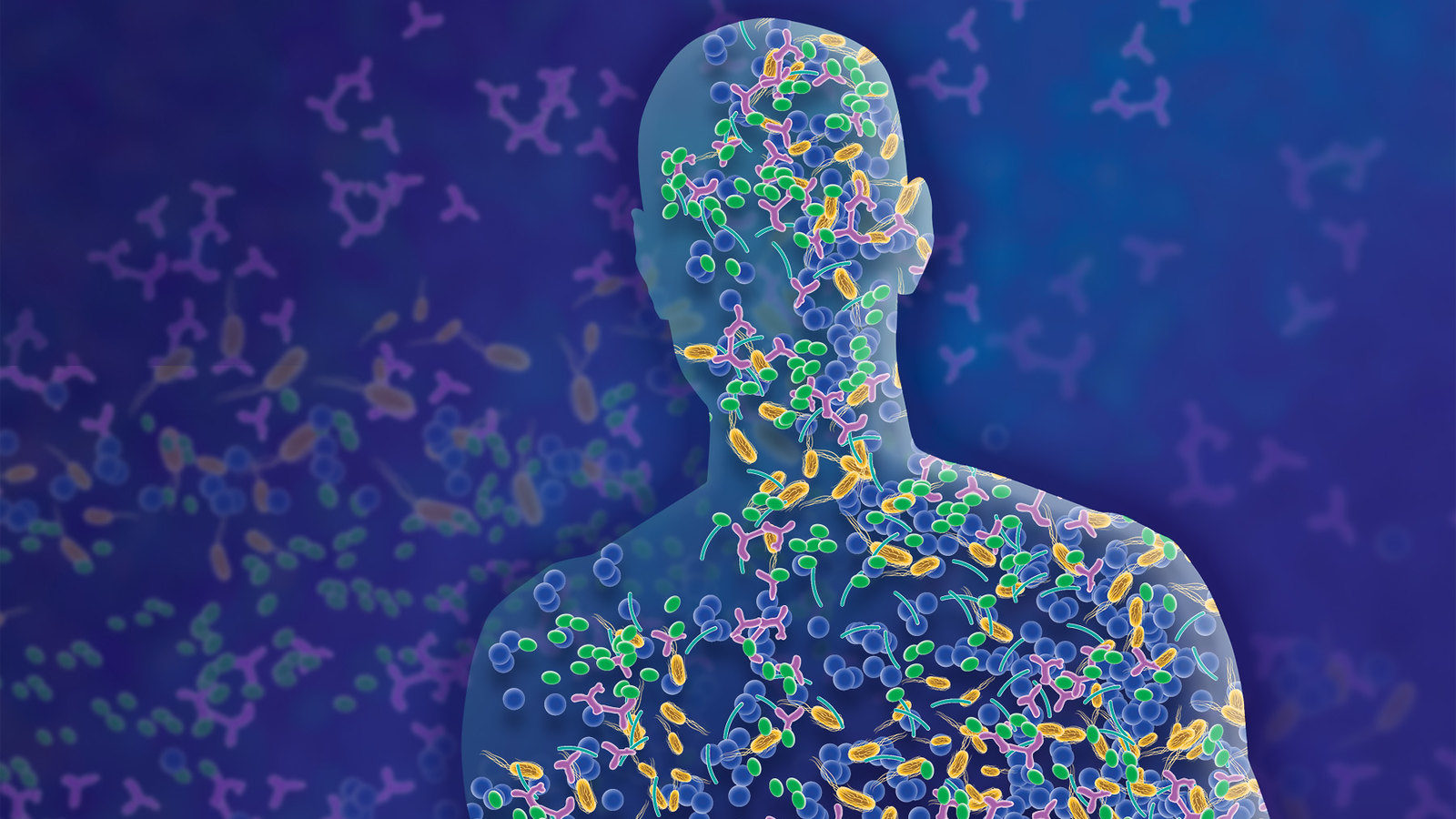
Microbiome and Alzheimer's disease
The “trigger” for brain damage leading to the development of Alzheimer’s disease is often disorders of the intestinal microbiome. Research is helping to uncover some of the mechanisms underlying this process:
- Deficiency of intestinal bacteria synthesizing gamma-aminobutyric acid (GABA)– a neurotransmitter responsible for the processes of inhibition in the nervous system. Its deficiency increases the risk of developing Alzheimer’s disease, leading to depression. In the body, GABA is produced in neurons and is also synthesized by representatives of the intestinal microbiome. A decrease in the number of bacteria synthesizing GABA gradually leads to a disruption in the formation of this substance in the brain.
- With age, microbial genes responsible for the breakdown of the amino acid tryptophan are activated. Foods rich in tryptophan (cheese, fish, meat, nuts) are recommended to be included in the diet to prevent Alzheimer’s disease. However, due to the increased activity of enzyme systems that destroy tryptophan, even with a sufficient content of such products in the diet, its intake into the body decreases. Tryptophan deficiency leads to deterioration of cognitive skills, memory, and is one of the risk factors for developing Alzheimer’s disease.
- The important role of the intestinal microbiome is the neutralization of toxic substances. Toxins can come from poor-quality food, be synthesized by pathogenic microbes, and be formed during digestion. Symbiont bacteria also regulate the permeability of the intestinal wall, preventing toxins from entering the bloodstream. When beneficial bacteria are deficient, harmful substances accumulate, and the intestinal wall becomes more permeable to them. Also, in old age, the permeability of the blood-brain barrier (the filter between the bloodstream and the brain) for harmful substances and microbes increases. The effect of toxins on the brain creates conditions for the development of neurodegenerative processes.
- With age, the body is more likely to develop inflammation, which, in turn, plays an important role in the development of Alzheimer’s disease. Microbial associations in the intestine are the most important springboard of the immune system, activating the work of intestinal lymphoid cells. A deficiency of protective bacteria in the intestine leads to a deterioration of the immune system, it copes worse with inflammation, which creates the prerequisites for the development of Alzheimer’s disease.
- Scientific publications report that the restoration of the intestinal microbiota with the help of nutrition and probiotic drugs leads to an improvement in cognitive abilities in patients with Alzheimer’s disease: scientists believe that the reason for the positive changes is the effect of metabolites synthesized by bacteria on the brain.
Don’t miss the most important science and health updates!
Subscribe to our newsletter and get the most important news straight to your inbox
The role of the microbiome in the development of hypertension
High blood pressure is the main cause of the development of cardiovascular diseases: pressure spikes lead to heart attacks and strokes. Both hypertension, which is an independent disease, and hypertension, which is considered a symptom of other disorders, are more common in the elderly: after 65 years of age, 65% of people have high blood pressure. But what is the role of the microbiome in this process? Specialists from the Doha Medical Research Center (Qatar) analyzed a wide range of scientific publications and compiled a list of mechanisms that allow the intestinal microbiota to influence blood pressure levels.
- Olfactory receptors in the kidneys. Researchers from Johns Hopkins University (USA) Olfr78 receptors were found in the kidneys, similar to olfactory receptors in the nasal mucosa. It turned out that Olfr78 receptors respond to blood levels of acetate and propionate, volatile fatty acids formed during the digestion of fiber by representatives of the intestinal microbiome. The Gpr41 receptor located on the vascular walls also reacts to the intake of acetate and propionate into the blood. Both receptors, Gpr41 and Olfr78, affect the production of the hormone renin, the most important regulator of blood pressure. Vascular Gpr41 receptors first react to the intake of fatty acids into the blood: there is a decrease in renin levels and a decrease in blood pressure. Olfr78 olfactory receptors “turn on” when the concentration of acetate and propionate in the blood becomes high enough, they activate the release of renin, which leads to an increase in blood pressure. Thus, the waste products of representatives of the intestinal microbiome have a pronounced effect on blood pressure levels. With age, the number of bacteria synthesizing acetate and propionate decreases, which leads to a violation of pressure regulation.
- Excessive intake of toxins into the blood. A study conducted at George Washington University proves the existence of a close link between intestinal dysbiosis, kidney damage and the development of hypertension. A decrease in the number of symbiotic bacteria in the microbiota leads to the proliferation of pathogenic microorganisms that cause inflammation and release toxic substances during vital activity. As a result of inflammation, the permeability of the intestinal mucosa increases, and toxic bacterial metabolites, such as indoxysulfate or p-cresol, enter the bloodstream, provoking the development of inflammatory processes in various organs. A high concentration of toxic substances in the blood leads to kidney damage, and impaired renal function is one of the most common causes of hypertension. Deterioration of kidney function, in turn, leads to further accumulation of toxins in the blood, which supports inflammation in the intestinal wall and the entry of toxic substances into the bloodstream, thus forming a vicious circle.
- Hypertension and hydrogen sulfide levels. One of the promising directions in studying the causes of hypertension is to determine the role of hydrogen sulfide in regulating blood pressure. So, in a study conducted by California scientists, it was shown that most of the hydrogen sulfide circulating in the human body is of microbial origin. Hydrogen sulfide is necessary for a variety of processes: it helps to reduce the tone of smooth muscles, primarily in blood vessels and intestines, participates in the regulation of inflammation, the formation of new vessels. Excess or lack of hydrogen sulfide caused by microbial imbalance negatively affects the regulation of vascular tone and blood pressure.
Microbiome and cancerous tumors
The older a person gets, the higher their risk of developing malignancies. Scientists from Harvard University (USA) analyzed a wide range of studies on the role of microbiome disorders in the development of cancerous tumors. Thus, it was found that some types of opportunistic microbes synthesize so-called genotoxic molecules that increase the risk of mutations in the DNA of cells of various tissues. Such microorganisms include some types of E. coli, which carry a cluster of pks genes. They produce the genotoxic calobactin, which causes the DNA strands of the host cells to break. Other opportunistic pathogens increase the risk of cancer by provoking inflammatory processes. With a sufficient number of protective symbiont bacteria, opportunistic microbes do not multiply, which limits their carcinogenic effect on cells.
Metabolites of beneficial bacteria are important in cancer prevention.: This was confirmed in a study conducted by French and Swedish scientists. These are primarily the short-chain fatty acids propionate and butyrate, which prevent mutations in intestinal epithelial cells and support anti-cancer immune mechanisms. Therefore, a diet rich in fiber helps in cancer prevention, because it is during the breakdown of plant fibers by microbial enzymes that butyrate and propionate are formed.
Microbiome and osteoporosis
Specialists from the University of Michigan (USA) have established that bone density depends on the state of the microbiome: friendly bacteria synthesize estrogen and serotonin, which affect the absorption of phosphorus and calcium from the intestine. A study conducted at the University of Gothenburg (Sweden) showed that in mice raised in sterile conditions, the femurs were 40% more fragile than in rodents with a normal microbial landscape in the intestine.
Chinese scientists from Suzhou University have discovered that representatives of the intestinal microbiome suppress the activity and proliferation of osteoclasts, cells that destroy bones, while stimulating the maturation of osteoblasts that repair bone tissue.
The mechanisms of improving the condition of bone tissue after normalization of the microbiome were studied in a study conducted at the University. Friedrich-Alexander (Germany). It has been established that the short-chain fatty acids propionate and butyrate, which are formed during the fermentation of fiber by intestinal bacteria, affect the metabolism of bone tissue cells. Fatty acids inhibit the activity of TRAF6 and NFATc1 genes in the DNA of osteoclasts, cells responsible for the destruction of osteoclasts.
In experiments on mice, it was shown that an increase in the number of pathogenic microbes in the intestine against the background of a decrease in the concentration of symbiont bacteria in the microbial landscape after eight weeks led to increased osteoclast activity and increased bone fragility. At the same time, the transplantation of bacteria that actively synthesize fatty acids into the intestines of mice, as well as an increase in the content of plant foods in the diet, contributed to the strengthening of bone tissue.
Microbiome and metabolic disorders
With age, hormonal changes occur in the body, affecting the functioning of all organs and systems. This process is especially important for women: many tissues in the female body are estrogen-dependent, so a decrease in the level of sex hormones in postmenopause leads to various metabolic disorders. The most common metabolic disorder in old age is obesity. Being overweight is a risk factor for developing many “age-related” diseases, such as hypertension, diabetes, cardiovascular diseases, etc.
An important role in the generation of metabolic disorders belongs to the microbial imbalance in the intestine. Short-chain fatty acids (acetate, propionate, butyrate), which are synthesized by representatives of the intestinal microbiome, have a hormone-like effect on many tissues. Thus, they increase the sensitivity of pancreatic beta cells to glucose, activating the release of insulin, and inhibit the release of the hormone glucagon, an insulin antagonist. This helps to normalize carbohydrate metabolism and reduces the risk of developing diabetes. Fatty acids have the ability to suppress appetite by stimulating the formation of the YY peptide in the epithelial cells of the large intestine.
Scientists from the University of Washington conducted a series of experiments on mice: the researchers set themselves the task of studying the effect of the intestinal microbiota on the processes of fat accumulation and burning in the body. It turned out that after the antimicrobial mice (grown under sterile conditions) The microbiome of ordinary mice was transplanted, their metabolic processes in muscles significantly accelerated, and general metabolic processes became more “burning” than “storing”. Also, after colonization, the concentration of the lipoprotein lipase enzyme in animal tissues increased, which breaks down fat to fatty acids with the release of energy: in adipose tissue, the enzyme level increased by 122%, and in the heart – by 99%. Also, after the transplantation of the microbiome, the production of the hormone leptin, which suppresses appetite, was activated in mice. Experiments have shown that it is the intestinal microbiome that plays an important role in maintaining a high level of metabolism, contributing to the predominance of fat burning processes over fat accumulation.
In another study, experts from the University of Washington studied how the composition of the microbiota in humans changes during weight loss. It turned out that as the participants got rid of extra pounds, the content of bacteroids in the intestines increased – microorganisms that actively synthesize short-chain fatty acids, which are necessary for the regulation of metabolism.
Conclusion
The intestinal microbiome is a lever that can be used to correct a wide variety of disorders. Since symbiont bacteria and their metabolites have a systemic effect on the body, microbiome support can improve the condition of almost every cell in our body. To do this, it is necessary to minimize the effects of factors that disrupt intestinal harmony, including antibiotics, malnutrition, and stress. Moreover, it is necessary to start “caring” for the microbiota as early as possible. A diet rich in vegetables and fruits, positive thinking that protects against stress, tempering and physical activity – all this allows you to create favorable conditions for the support of protective bacteria. Taking care of them, we lay the foundation for the prevention of cancer, Alzheimer’s disease, diabetes and other “age-related” diseases.
Published
July, 2024
Duration of reading
About 3-4 minutes
Category
Microbiome
Share

