Deadly diseases of the respiratory system
There are a lot of lung diseases. And not everyone knows which pathologies can fatally destroy lung tissue and cause disability or even death. However, timely treatment of many of them is often quite capable of minimizing the risk of complications. The main thing is to understand exactly which lung diseases occur and what consequences they can lead to. According to experts, chronic obstructive pulmonary disease may become the third most common cause of death on the planet by 2020.
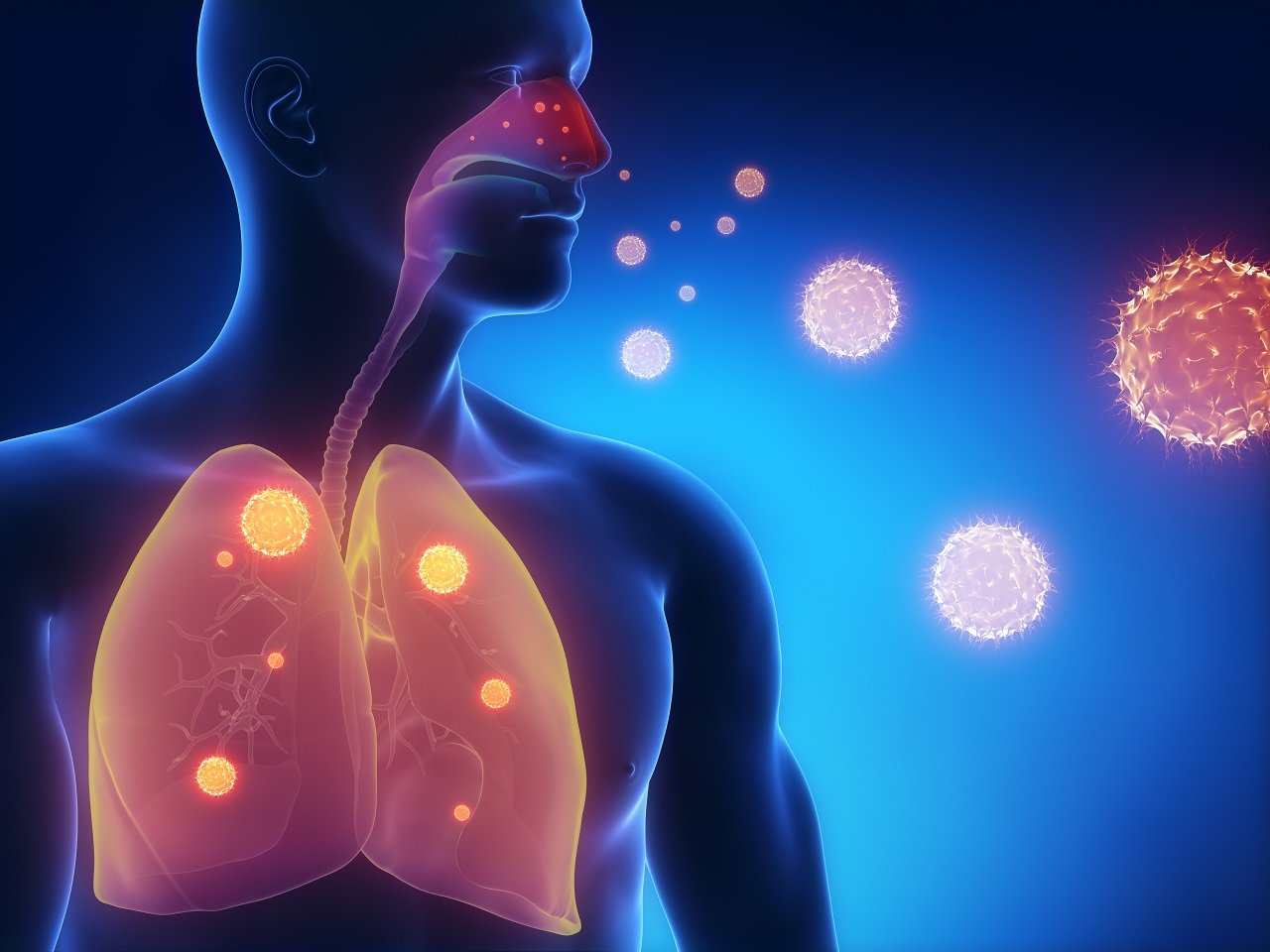
Bronchitis attacks
Bronchitis is one of the most common diseases that is often underestimated by many. It is a pathology when inflammation of the bronchi, the elements of the bronchial tree, develops. There is enough virus or bacteria to seriously worsen your health condition. Untreated throat infections, a runny nose, and ignoring acute respiratory viral infections can easily cause severe inflammation in the lungs. In addition, bronchitis often develops against the background of inhaling large amounts of dust or smoke. This pathology is particularly dangerous for smokers, people with weakened immune systems, chronic heart and lung diseases, the elderly and for young children.
The symptoms of bronchitis are quite characteristic. With it, a person develops:
- A feeling of tickling in the throat
- Cough that starts as dry and turns into wet with sputum discharge
- Temperature rise
Do not underestimate pathology, because in the absence of proper treatment, it can easily lead to pneumonia or chronic manifestations of the disease.
Don’t miss the most important science and health updates!
Subscribe to our newsletter and get the most important news straight to your inbox
Emphysema of the lungs
Chronic bronchitis as a systemic lung malfunction leads to the appearance of such pathology as pulmonary emphysema. The disease is a violation of the processes of respiration and gas exchange in the lungs.
Emphysema can be recognized by signs such as:
- Difficulty breathing, and in some cases, its complete impossibility
- Blueness of the skin
- Shortness of breath
Pathology is characterized by slow development, when it is almost invisible at the initial stages. For example, the same shortness of breath first appears only after physical activity, but after that it begins to occur constantly, even when a person is at rest. This pathology usually leads to disability. This means that treatment should be started as soon as possible in order to minimize the risk of complications.
Tuberculosis
Tuberculosis is one of the most common diseases today. It is caused by the ingestion of a specific microorganism, Koch’s bacillus, into the lungs along with inhaled air when communicating with a carrier of the pathology. Tuberculosis is usually divided into 2 types: open and closed forms. Moreover, the second one is the most common and indicates that a person is a carrier of pathology, but at the same time does not transmit it to others. You can only get infected from a patient with an open form. The danger of tuberculosis is in its slow course — for the first time (and it can be several months) it does not manifest itself in any way, but at the same time it already conducts its destructive activity in the human body. Later, as the pathology develops, a person may feel symptoms such as:
- General weakness
- Increasing the readings on the thermometer
- Weight loss (for no reason)
- Cough
- Expectoration of sputum with blood
Doctors call timely therapy the key to successful treatment of pathology. Tuberculosis is treated in a hospital setting.
Constant inflammation
Many people know that pneumonia can be deadly. However, there are still those people who manage to bring their condition to a chronic one. With the development of a chronic course of pneumonia, an inflammatory component will constantly be present in humans. He will also regularly encounter bronchitis, chronic nonspecific lung diseases and other pathologies. Moreover, each exacerbation of chronic pneumonia will lead to the appearance of new foci of inflammation in the tissue and an increase in the area of sclerotic changes.
Among the symptoms of this pathology are:
- Cough with discharge of mucopurulent sputum
- The presence of wheezing in the lungs
- Increased body temperature during periods of exacerbation
- The development of chest pain
- Respiratory failure
Pathology can be complicated by pulmonary heart failure, the development of abscesses and gangrene of lung tissues.
Cystic fibrosis
Today, it is increasingly possible to hear such a name for pulmonary pathology as cystic fibrosis. It is a severe hereditary disease characterized by tissue damage and malfunction of the respiratory system. The cause of this problem is a genetic change in chromosome 7, where the gene responsible for protein synthesis is located. Due to malfunctions in its operation, chlorine ions begin to accumulate in the cell, attracting sodium ions. All this causes the accumulation of water inside the cell, which collects from the intercellular space. And then the endocrine glands come into play, which produce secretions — tears, mucus, sweat — with altered properties. All this leads to disturbances in the vital activity of the body as a whole. Fluid is not excreted, accumulates and causes tissue shrinkage, the development of cysts, sclerotic changes, fibrosis, etc. Purulent inflammations are also common.
Sputum discharge and patency of small bronchi are also disrupted. Their glands become filled with mucus and pus, and they enlarge, causing breathing problems. Bacterial infection often joins this stagnation.
You can recognize cystic fibrosis by:
- The release of viscous sputum when coughing
- Frequent exacerbations of pulmonary pathologies
- Dehydration
- Increased appetite with insufficient weight and development
- Thickening of the fingers on the hands, etc.
This disease is deadly and incurable. But still, to maintain a person’s life, they use a certain therapy that allows them to feel satisfactory. Doctors usually offer mucolytics, long courses of antibiotics, inhalations, respiratory exercises, lung drainage, and more.
Published
July, 2024
Duration of reading
About 1-2 minutes
Category
Body
Share

