
Yoga
Yoga broadly refers to a spiritual and body-oriented practice undertaken with the aim of attaining the highest level of consciousness. Outside India, yoga is associated more with physical exercises aimed at holistic wellness, bypassing the spiritual component.
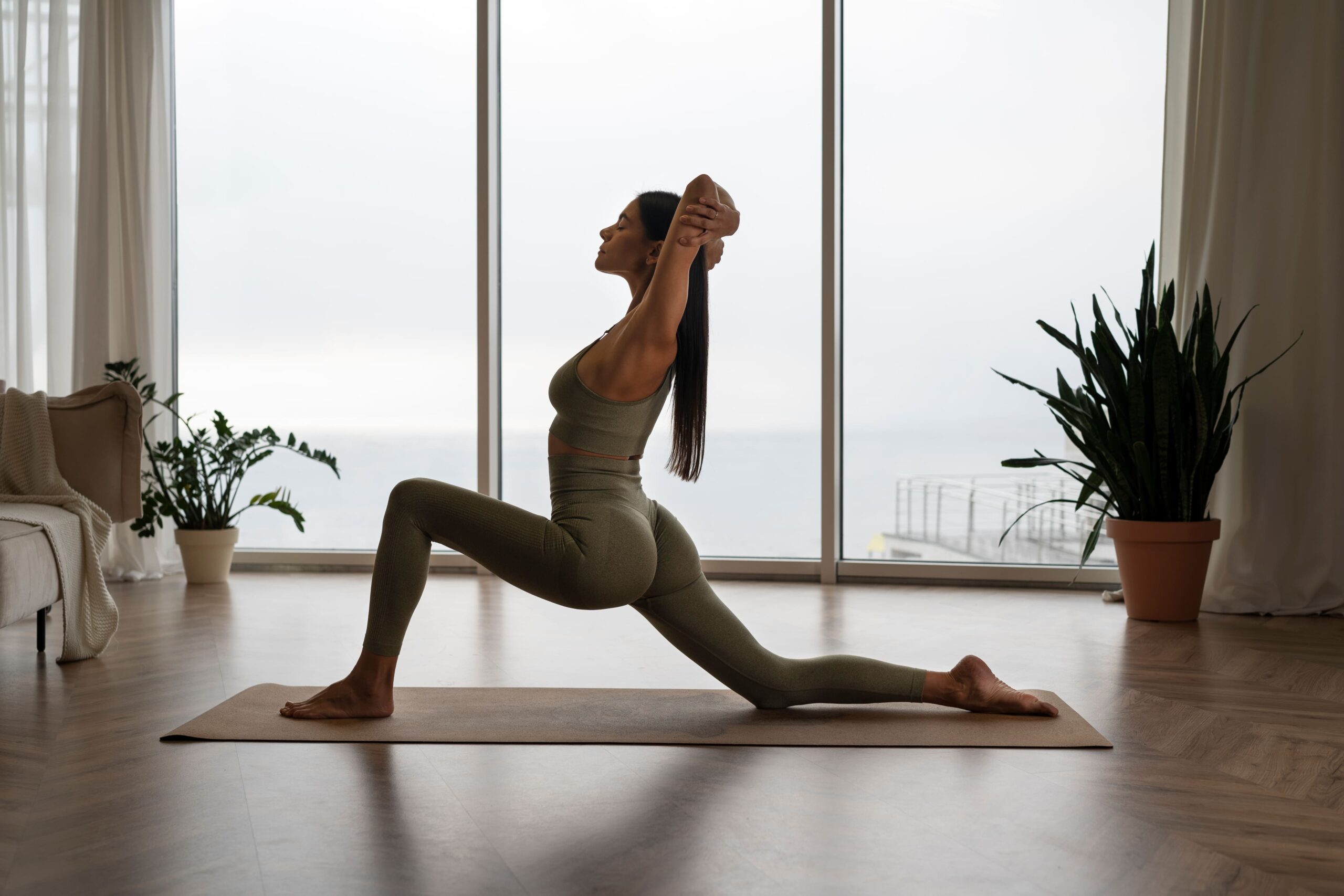
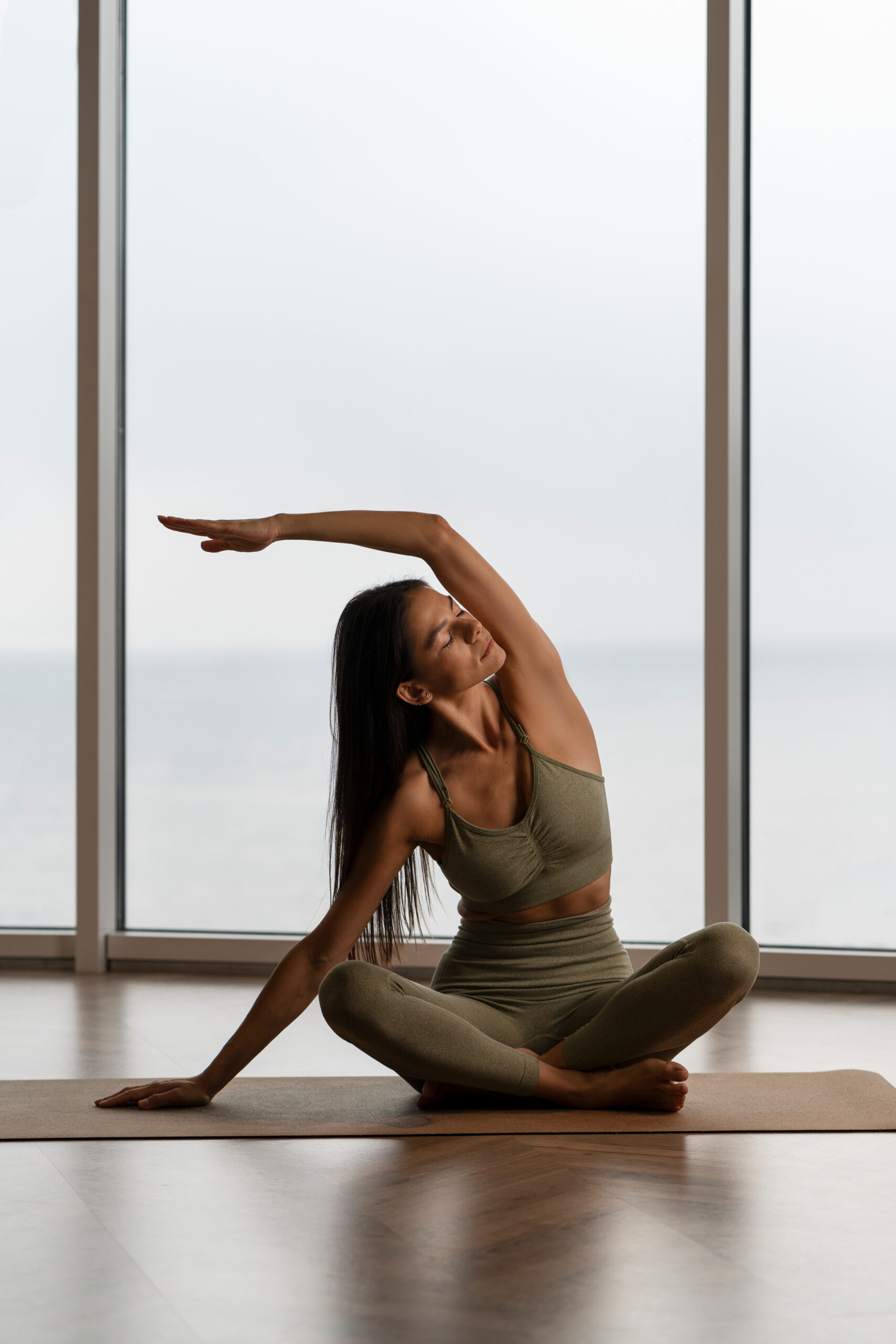
Key components of yoga: asana, pranayama and meditation
- Asana is a posture, i.e. a stable, immobile, comfortable body position. However, for beginners some asanas may seem unpleasant and uncomfortable, as they require considerable strength and dexterity. Therefore, you should first master simple asanas.
- Pranayama is the art of breath control, breathing exercises. A complete cycle of breathing looks like this: puraka (inhalation), kumbhaka (delay), rechaka (exhalation), shunyaka (delay after exhalation). Pranayama has a favorable effect on some physiological functions of the body and even allows you to experience various altered states of consciousness.
- Meditation is a mental technique that aims to achieve a state of complete concentration to observe what is happening. It is contemplation of one’s inner space, bringing calmness and relaxation. The practice of meditation usually requires adopting a specific posture and may be combined with breathing exercises.
Why practice yoga?
Yoga helps to revitalize the body and slow down age-damaging processes, to bring muscles, joints, skin and other organs in order and optimize the functioning of body systems. Many studies have shown that yoga effectively relieves stress and fatigue, helps to cope with depression, relieves pain, and reduces the risk of heart and vascular disease.

Scientific yoga – what’s it like?
This is yoga, in which all exercises are selected as a result of joint work of professional yogis and real scientists-neurophysiologists. They have a proven beneficial effect and are suitable for solving various problems related to slowing down aging, improving health and prolonging life.
How does yoga affect gene expression?
Yoga exercises produce favorable structural changes at the genetic level, as proven by scientists from Norway in a study published in the journal PLOS ONE. In just two days of yoga therapy, including breathing practices, asanas and meditation, the participants had changes in 111 genes associated with stress reduction and platelet production. This effect began to manifest itself immediately during the practice and proved to be long-lasting.
Yoga for brain development
Yoga strengthens brain structures related to memory, attention, learning and emotion management, such as the hippocampus, prefrontal and cingulate cortex and amygdala. This increases our chances of maintaining mental clarity in old age.
How to get the most out of yoga?
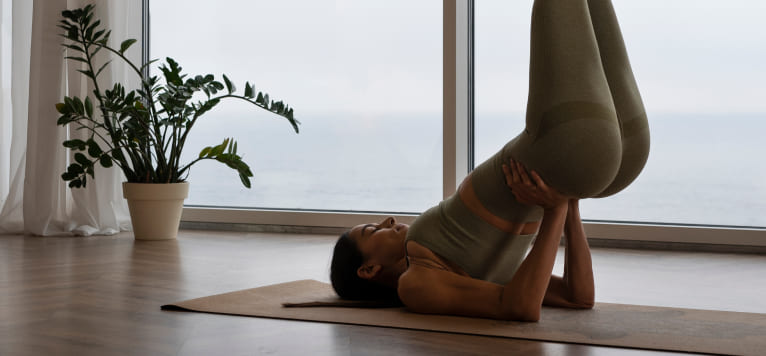
Yoga is a real journey into the depths of your body, which allows you to make many interesting discoveries. To achieve success, you need to observe three conditions:
- You need to practice regularly, even if you don’t want to. Yoga can become a habit – at some point you will definitely want to lay down your mat.
- You need to practice regularly, even if you don’t want to. Yoga can become a habit – at some point you will definitely want to spread out your mat.
- Try different exercises and approaches. You will definitely find something that will be closer to you, because the body can’t be deceived.
Study with a professional!
Vishnu Sharan Shukla is a certified yoga teacher (SVYASA, Swami Vivekananda Yoga Anusandhana Samsthana, Bangalore Yoga University, India) with 20 years of practice experience and author of VSH25 yoga courses.
You have the opportunity to train with a true master and you don’t have to travel to India at all. Join Vishnu to practice yoga properly and effectively!
Qigong
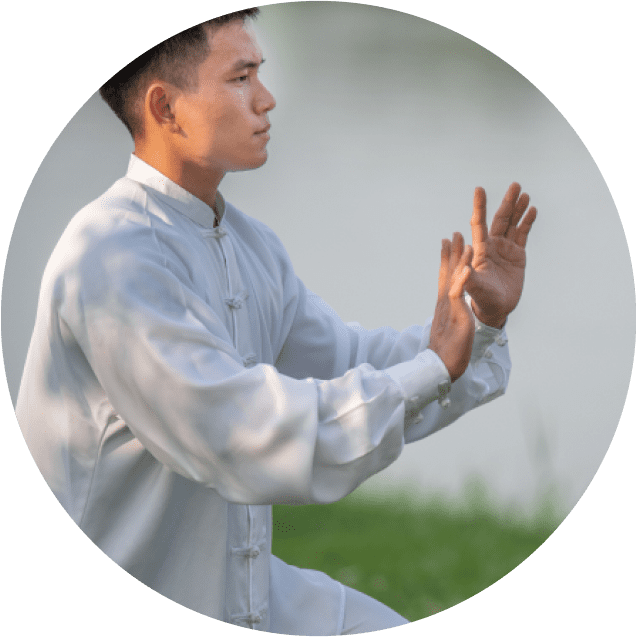
A spiritual and body-oriented practice that includes gymnastics, breathing exercises and meditation. Aimed at achieving health and longevity

What is qigong?
Qigong is an ancient Chinese system that aims to preserve health and youth, prolong life and achieve harmony with the world. It includes gymnastics, breathing exercises, self-massage and meditation. The most popular qigong exercises are Ba Duan Jing (a system for keeping warriors healthy), Yi Jin Jing (classical gymnastics for tendons and muscles), Liu Ji Jie (traditional breathing exercises), Da Wu (dance exercises), and Liangong Shi Ba Fa (18 ways to train the body and mind for perfect health and longevity).
Why practice qigong?
Qigong exercises are easy to perform and do not require good stretching or joint mobility, so they are suitable for people of any age. In addition, they have practically no contraindications. Qigong is guaranteed to relieve psychological tension, improve concentration and help you recover from injuries. Studies have also shown that these exercises help to reduce anxiety, treat depression, hypertension and joint diseases, improve the respiratory, digestive and cardiovascular systems.
Start now!
The VSH25 biological program will help you regain your strength, maintain your health and radically extend your active life.
Activate access