Traditional breathing practices for health and longevity
Centuries ago, people discovered the connection of breathing with emotional, physical and mental health. Ancient sages claimed that through breathing exercises it is possible to increase vitality and energy (prana among the Indians, qi among the Chinese, ki among the Japanese), open new channels of perception, improve the functioning of internal organs and find spiritual harmony. Today, science, albeit in a different language, confirms the beneficial effects that breathing exercises can have. This article lists various types of techniques from Buddhist, Taoist, and Hindu traditions that have beneficial effects on the body and spirit*.
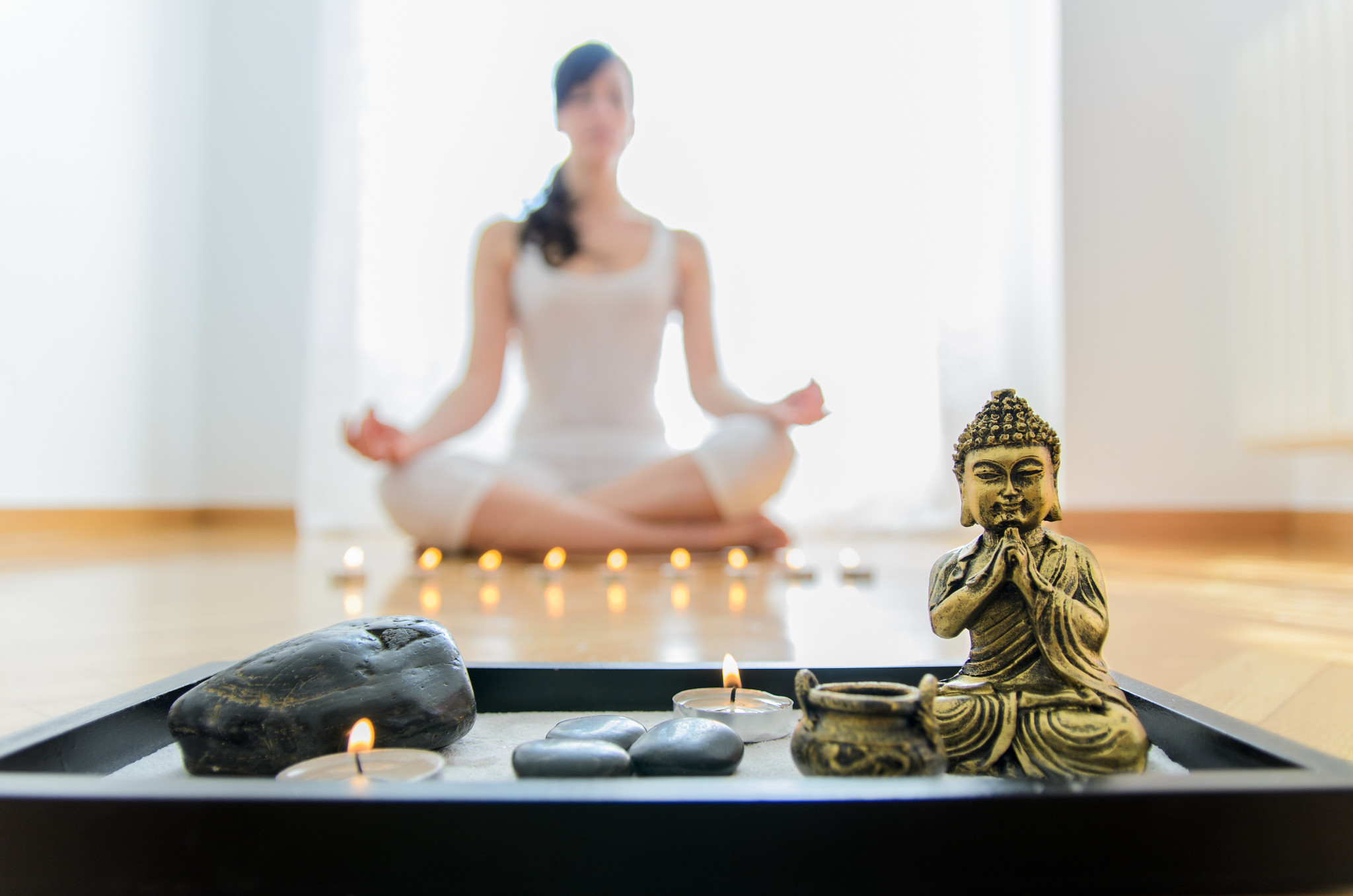
Yogi Breathing
Pranayama is a breathing practice in yoga that involves conscious control of breathing through special exercises. Pranayamas can be classified in different ways. Among the many classifications is the division of breathing intensity exercises into hypoventilation and hyperventilation. The former cause the effect of hypoxia, that is, a decrease in the amount of oxygen, these include most practices: nadi shodhana, anuloma viloma, ujjayi, pranava, kumbhaka, etc. The second is hypocapnia, that is, a decrease in the concentration of carbon dioxide in the blood, these include kapalabhati, bhastrika and some others.
Hypoxic training has a wide range of effects on the human body and psyche: it strengthens the cardiovascular, respiratory, and nervous systems, improves blood circulation, reduces fatigue, increases endurance and performance, has a relaxing and calming effect, and even slows down the aging process.
Hyperventilation exercises are used less frequently due to the fact that they have a lot of side effects (among them dizziness and loss of consciousness), and therefore are not intended to be practiced for a long time. However, it is believed that such techniques allow you to enter an altered state of consciousness (distortion of perceived reality), cause a feeling of euphoria and even hallucinations. Therefore, after cycles of such breathing, it is recommended to rest and hold your breath in order to put your internal processes in order. Of these practices, abdominal (diaphragmatic) breathing is the most effective. It provides not only the maximum volume of inspiration, but also massage and increased blood supply to internal organs. The Cleveland Clinic recommends performing diaphragmatic breathing three to four times a day for 5-10 minutes.
Breathing exercises are usually performed in the same course with meditation, yoga asanas or gymnastics. The techniques are quite simple to perform, there are beginner and advanced levels:
- Surya anuloma viloma — breathing through the right nostril. Cover the left nostril with your thumb and inhale and exhale evenly through the right nostril — this is one cycle. You need to make five of these.
- Chandra anuloma viloma — breathing through the left nostril. Cover the right nostril with your thumb and repeat through the left five cycles of regular inhalation and exhalation.
In one study, researchers divided 85 volunteers into groups: the first practiced breathing through the left nostril, the second through the right, and the third was a control group. The course lasted six weeks. As a result, as scientists later saw, both practices had different effects. Those who breathed through the left nostril showed activation of the parasympathetic nervous system (decreased heart rate, blood pressure, and increased heart rate variability), which meant relaxation, calmness, resistance to stress, and beneficial effects on cardiac function. In contrast, the group that practiced right-sided breathing increased the activity of the sympathetic nervous system.: they were more excitable and energetic. Scientists have concluded that breathing through the left nostril is more useful for reducing stress and preventing CVD. But right-sided breathing is suitable for increasing alertness.
In another study, 90 participants with hypertension practiced two viloma anulomas in turn and, thanks to the exercises, improved blood pressure indicators, as well as increased cognitive abilities, in particular executive function, attentiveness, manual dexterity and hand-eye coordination.
- Nadi shodhana (nadi shuddhi) is a technique of alternating breathing through the left and right nostrils. Use your right thumb to close your right nostril and inhale through your left. Next, use the ring finger of the same hand to close the left nostril and exhale through the right, after which you should inhale through it. Then close the right nostril with your thumb again and exhale through the left. This is one cycle. Repeat the cycles for 1-2.5 minutes.

Pic. 1. The technique of adding fingers for breathing nadi shodhana
For four weeks, the subjects performed nadi shodhana in the morning for 15 minutes. At the end of the course, they improved their peak exhalation rate and pulse pressure, and their heart rate and respiratory rate returned to normal. Scientists have concluded that nadi shodhana has a beneficial effect on the human nervous system and can be useful for relaxation, stress relief and fatigue.
- Surya bhedana (surya nadi) is a pranayama in which all inhales are performed through the right nostril and all exhales through the left. One round: close the left nostril with the ring finger of the right hand and inhale through the right nostril, then close the right nostril with the thumb of the same hand and exhale through the left. Perform for 1-2 minutes.
- Chandra bhedana (chandra nadi) is a pranayama in which all inhales, on the contrary, are performed through the left nostril, and exhales through the right.
Heart rate, blood pressure, and speed of visual and auditory reactions were measured in elderly people at rest. Then some of them began to practice breathing through the right nostril (surya nadi), and the other part through the left (chandra nadi). After nine sessions, the researchers re-measured the participants’ physiological parameters. The results showed that all the volunteers had decreased overall heart rate and blood pressure, but this was more noticeable in the group that practiced Chandra nadi. But in Surya Nadia’s group, the indicators of sensory-motor function were better.
Another study conducted by Indian specialists from the Advanced Yoga Therapy Center showed that chandra bhedana pranayama has a positive effect on markers of cardiovascular diseases in hypertension. 27 cycles of exercise immediately lowered the heart rate in all patients, and in addition, systolic blood pressure improved in men.
- Ujjayi — “the winner’s breath”. Inhaling and exhaling are slow and deep, performed through the nose at a normal pace. It is necessary to slightly squeeze the throat slit so that a snuffling, light snoring, not very loud sound appears in the larynx. The neck should be relaxed. You can imagine that the air enters and exits through a hole in the neck. According to the data At the National Center for Health, Physical Activity, and Disability, Ujjayi’s breathing helps improve concentration, relieve tension throughout the body, and even regulate temperature.
A 2012 study showed that ujjayi pranayama combined with kapalabhati and Nadi Shodhana improves sleep quality, relieves anxiety, and improves the quality of life for people with cancer undergoing chemotherapy.
In a 2017 study, participants who performed asanas, ujjayi pranayama, and meditation had significantly reduced symptoms of depression.
Also in 2010, the positive effect of the ujjayi breathing exercise was revealed in the treatment of hypothyroidism, a condition caused by a prolonged deficiency of thyroid hormones.
- Shitali means “cooling breath” in Sanskrit, but it is not about body temperature, but rather about “calming the mind.” Traditionally, it is believed that this pranayama removes toxins, relaxes muscles, puts thoughts in order and relieves emotional tension. To perform, you need to sit in a comfortable position (for example, in sukhasana, padmasana or vajrasana), keep your back, neck and head straight. Remove the tongue from the mouth and roll it into a tube. Take a deep, full breath through your mouth and make a hissing “shhh” sound. Return the tongue to its normal position, close the mouth and hold your breath as long as it feels comfortable. Calmly and slowly inhale through the nose. Do 10-20 cycles.


In the photo: Iyengar Bellur Krishnamachar Sundararaja, founder of Iyengar Yoga
- Shitkari — “hissing breath”. Take a comfortable sitting position, keep your head, neck and back straight. Gently squeeze the upper and lower teeth together, open the lips. The tongue should be rolled up so that its lower part touches the palate, or just put the tip of the tongue on the back of the upper teeth. Begin to inhale with a whistling sound through the dental slits — the air should fill the stomach and chest. Then close your lips and exhale through your nose.
A study conducted by scientists from India showed that shitali and shitkari pranayamas activate alpha, delta and theta waves and reduce the frequency of beta waves, which indicates relaxation, reduced anxiety in practitioners, and their immersion in a meditative state.
Also, a study conducted among people with hypertension demonstrated the positive effect of shitali and shitkari in lowering systolic blood pressure.
A 2019 study confirmed the evidence that these pranayamas do not have a cooling effect on the body. On the contrary, during the experiment, the subjects’ temperature increased and oxygen consumption increased, as with light physical exertion. Scientists have concluded that during the performance of shitali and shitkari, contrary to popular belief, hypermetabolism reactions are triggered, which leads to the opposite effect.
- Pranava is a meditative continuous breathing with the sound of “Om”. It is believed that this pranayama has a calming effect on the mind. To perform the exercise, you can choose a quiet and open place, preferably in nature, where you can breathe fresh air. Next, sit in a comfortable position, close your eyes. You need to focus on the breathing process, on how air naturally enters and exits through the nostrils. Then focus on the point between the eyebrows (the “third eye chakra”) and mentally draw a sign in this place. “Om” (Fig. 2). During inhalation, you need to imagine how the air is directed to this point and “Om” becomes brighter. The deeper the breath, the better. And as you exhale, imagine how the sign fades. You can mentally chant the sound “Om” on each inhale and exhale. Repeat 9-10 cycles.

Pic. 2. The Om sign
People with high blood pressure can perform pranayama pranava to normalize their condition. A 2012 study found that even a five-minute practice helps lower systolic blood pressure and heart rate.
- Sukha purvaka is one of the simplest pranayamas. To perform it, you need to sit comfortably (for example, in sukhasana), straighten your spine and close your eyes. Next, you should breathe in this cycle: inhale — hold your breath — exhale — hold. Each stage of this cycle takes six measured accounts. All inhales and exhales are done deeply and slowly. After completing six to nine rounds, you need to relax.

Pic. 3. Sukhasana / i.pinimg.com
As demonstrated in a 2011 study involving patients with hypertension, sukha pranayama helped significantly reduce heart rate and blood pressure for five minutes by stimulating the vagus nerve and/or suppressing sympathetic system activity with improved baroreflex sensitivity. The positive effects of pranayama in the treatment of anxiety have also been identified.
- Savitri is slow, rhythmic and deep breathing. You need to sit in a comfortable position and breathe through your nose according to the following scheme: inhale for eight counts — hold for four counts — exhale for eight counts — hold for four counts (ratio 2:1:2:1). Perform for 5-10 minutes. It is believed that this pranayama can give a sense of harmony with the world, calm the mind, and help in a quick recovery.
In 2012, scientists showed the positive effects of savitri pranayama on cardiovascular function: women recorded a decrease in heart rate and blood pressure after just five minutes of exercise.
A 2013 study showed improvement in practitioners’ respiratory parameters, such as peak exhalation rate, maximum exhalation value, breath retention time, etc.
- Kumbhaka is a breath with a delay, where the pause should be shorter than the inhalation and exhalation. Sit in a comfortable position, straighten your back and keep it in that position. Inhale slowly through your nose to fill your lungs completely, hold your breath for three to five seconds. Then slowly release the air and hold it for the same amount again. Repeat 10 times.
As shown in the study, kumbhaka pranayama causes a 52% increase in oxygen consumption and metabolic rate. Also, in a 2018 study, scientists found that such breathing can be useful in the prevention of various metabolic disorders, as well as to improve cardiac function.
- Diaphragmatic breathing is abdominal breathing. To perform this technique, you need to sit in a comfortable position or lie down on the floor. Place one hand on your stomach, the other on your chest, and take a deep breath through your nose. When breathing, the shoulders should be relaxed, and the diaphragm works instead of the chest. When inhaling, the abdomen inflates, and when exhaling, it pulls up to the spine. You should try to take 6-10 slow breaths per minute. With such breathing, the cells are actively saturated with oxygen. Training can be done, for example, in the morning after waking up or in the evening before going to bed. The average time is 10 minutes.

Pic. 4. Diaphragmatic breathing / liveinternet.ru
Regular practice of diaphragmatic breathing will have a positive effect on the cardiovascular and digestive systems, reduce the activity of the sympathetic nervous system and the level of the stress hormone cortisol, as well as improve mindfulness.
- Vase breathing is deeper breathing than diaphragmatic breathing. First you need to sit down and straighten your back, and then slowly exhale all the air out of yourself so that the abdominal muscles are pulled as close as possible to the spine. Next, take a deep breath through your nose and hold your breath. During the delay, it is necessary to perform several times (slow or intense, whichever is more convenient) contractions of the abdominal and pelvic muscles so that the protruding lower abdomen takes the shape of a vase. Exhale slowly. When performing the exercise, you can fold your hands into a bowl, placing the fingers of your left hand on your right and connecting your thumbs with each other, and thus place your palms on your lower abdomen. The execution time is from 10 to 30 minutes, followed by mandatory rest.
Researchers from the United States and Singapore conducted an experiment with healthy volunteers aged 46 to 70 years in order to record fluctuations in body temperature during vase breathing. The participants spent several rounds, and in between they rested. As a result, an increase in temperature from normal to mild or moderate fever (up to 38.3 degrees Celsius) was recorded, but the effect lasted for a limited time. According to scientists, in order to prolong it and learn how to regulate body temperature in general, it is more useful to use pranayama along with meditation and visualization, other indispensable components of tummo yoga.
- Shamatha is a Buddhist meditation technique that involves focusing on the breath, realizing it for what it is. This is a common practice in mindfulness meditation, and it is often referred to as “breathing that brings you back to the present.” In order to proceed to the exercise, you need to take a comfortable sitting or lying position, relax and focus on breathing and the accompanying sensations in the body. If extraneous thoughts start to get carried away, you need to let them go and return to the sensations. Inhale and exhale — one cycle. You can count these cycles to nine, 15, or 21. When you reach the final digit, you need to start over or count in reverse order. And so on in a circle for 45-60 minutes.
American scientists decided to find out what beneficial effects shamatha meditation can have if practiced for a long time. The study participants received practical lessons from Dr. B. Alan Wallace, a Buddhist teacher and president of the Santa Barbara Institute for Consciousness Research, and performed breathing exercises for seven years. The researchers, in turn, assessed the cognitive function of the volunteers before the start of the practice, after six months, 1.5 years, and at the end of the study after seven years. The results showed that in the long run, shamatha meditation improves mindfulness and slows down the process of age-related cognitive decline.
- Kapalabhati — “shining skull”, belly breathing. Sit in a comfortable position with a straight back, close your eyes and focus on the space between your eyebrows. On the inhale, inflate the abdomen, and on the exhale, pull it up to the spine. Breathe through both nostrils, the movements should be active at a rate of 60-120 breaths per minute. It is advisable that the stomach, bladder and intestines are empty during the performance of pranayama. In case of cramps, dizziness and other unpleasant symptoms, exercise should be discontinued. The execution time is from one to five minutes twice a day.
The beneficial effects of kapalabhati pranayama are numerous: rapid deep breathing saturates the body with oxygen and helps to purify it, improves cardiac function, pulmonary function by increasing peak exhalation rate, autonomic function, balancing the sympathetic and parasympathetic systems, enhances the activity of slow brain waves and thereby adjusts to relaxation, slows down the process of lipid peroxidation, and tightens the abdominal muscles, reduces the amount of abdominal fat and reduces the volume of the hips.
- Bhastrika — “the breath of the bellows”. Take a comfortable position with your back straight, close your eyes and take a deep breath. Then make a quick and powerful exhalation and after the same inhale, so that the technique resembles the work of blacksmithing bellows — one cycle. During the exercise, it is necessary to ensure that the inhales and exhales are equal in strength, depth and speed, produced with a hissing sound. On exhalation, the abdomen is attracted to the spine, on the inhale, on the contrary, it protrudes. To begin with, you can perform 10 cycles, and over time, you can increase it to 100.
“Fast” bhastrika pranayama saturates the body with oxygen, improves the respiratory function of the lungs, both in athletes and in the elderly, and at a slow pace (recommended for beginners) reduces blood pressure and reduces heart rate.
- Bhramari — “the buzz of the bee”. Take a comfortable position (sitting or lying down), cover your ears with your index fingers. Breathe in smoothly through your nose, and exhale with a soft “mmm” sound, similar to the buzzing of a bee. The required number of cycles is from 10 to 20.
The 2013 study involved 160 cancer patients undergoing radiation therapy. Half of them practiced a combination of pranayamas: nadi shodhana, bhramari and shitali — morning and evening for 30 minutes five days a week for a month and a half. The other half were included in the control group and underwent only chemotherapy. As a result, patients in the pranayama group had higher levels of glutathione and protein thiols, important antioxidants that purify the body of toxins from radiation therapy.
Other beneficial effects of bhramari include activation of the parasympathetic nervous system, reduction of heart rate, blood pressure and stress levels, reduction of irritability, symptoms of depression and anxiety, improvement of cognitive functions, positive EEG changes, etc.
- Cuccuria is “the dog’s shortness of breath.” Sit on your knees or “between your knees” (for example, take vajrasana), bend down a little and rest your outstretched arms on the floor. Open your mouth wide, stick out your tongue, and close your eyes. Start breathing quickly through your mouth, pulling out your abdominal muscles as you inhale, and pulling in as you exhale. The execution time is up to one minute.
Researchers from India decided to find out how fast and slow pranayamas can affect human cognitive functions. To do this, they selected 84 participants between the ages of 18 and 25 who had not previously practiced yoga, and divided the volunteers into groups depending on the type of breathing exercises.
The first group (“fast”) practiced according to the following scheme: 1 minute of kapalabhati — 1 minute of rest — 1 minute of bhastrika — 1 minute of rest — 1 minute of kukkuria — 1 minute of rest. We performed four cycles — a total of 24 minutes. The second group (“slow”) practiced according to the following scheme: 2 minutes of nadi shodhana — 1 minute of rest — 2 minutes of pranava — 1 minute of rest — 2 minutes of savitri — 1 minute of rest. Three cycles — only 27 minutes. The third group was a control group. The study lasted three months, with three classes per week.
Before and after the course, participants underwent a series of cognitive tests (for example, memorization of numbers, crossing out letters, auditory reaction, and others). As a result, all participants recorded improvements in executive brain function, increased stress tolerance, as well as increased attentiveness and reaction speed. Moreover, those who practiced “slow” pranayama showed a greater increase in attentiveness, while in the “fast” group, the speed of auditory and visual reactions increased.
Don’t miss the most important science and health updates!
Subscribe to our newsletter and get the most important news straight to your inbox
Qigong
- “Six Healing Sounds” (Liu Zi Jue) is an exercise that combines body movements and breathing with sounds: 1) 噓 [xū] — “deep sigh” or “hiss”, 2) 呵 [he] — “yawn” or “laughing sound”, 3) 呼 [hū] — “sigh”, “exhale” or “ring”, 4) 呬 [sī] — “rest”, 5) 吹 [chuī] — “blow up” or “puff”, 6) 嘻 [xī] — “cheerful”.
A study by scientists from China has shown that the “six healing sounds” exercise, practiced for a long time, can improve lung function, physical performance and quality of life in elderly patients with chronic obstructive pulmonary disease.
The usefulness of performing breathing exercises as a measure for the prevention of cardiovascular and cerebrovascular diseases was also revealed.
And, in addition, the positive effects of the “six healing sounds” in combination with other qigong exercises in the treatment of Parkinson’s disease were found.
- “Frog Waves” (Yuchan Fanlang Gong) is a breathing practice for suppressing hunger, often used by monks during religious fasting. Traditionally, it is performed in a supine position. The knees are bent, the left hand is on the chest, the right hand is on the stomach. During inhalation, you need to press in your stomach and push out your chest. As you exhale, lift your chest and push out your stomach. This is one breathing cycle. You need to do 40 to 60 repetitions with a normal breathing rate. It is believed that after this exercise it is easy to skip a meal or significantly reduce its volume.
A group of American and Ukrainian researchers decided to modify this practice to make it more convenient. The participants began to perform a new exercise in a standing position, inhaling, they drew in their stomach, then held their breath for 3-4 seconds without relaxing their stomach, and then calmly exhaled.

Pic. 5. Technique of the exercise “Frog waves”
The researchers tested the practice on two groups of overweight people. As a result of the experiment, the breathing exercise not only removed the feeling of hunger, but also reduced the acidity of the stomach, as well as the pressure in the colon. The effect after its execution lasted from one to several hours.
Conclusion
There are hundreds of different types of breathing techniques, and each of them offers an individual form of work to achieve a particular result.
Even if you are just about to learn new techniques, you will discover huge benefits for yourself and your health. Many people are looking for another way to relieve stress, improve sleep, remove unnecessary anxiety, or other well-known effects of these practices, but for some people it becomes more than just a good night’s sleep. Breathing exercises, as well as asanas and meditations, can change your life for the better if you take the time and do them right.
*Breathing exercises have contraindications: for example, they are not suitable for people with hypertension, heart attack, acute respiratory viral infections and some other pathologies. They can also cause side effects, including pressure and temperature spikes, sleep disorders, heart problems, oxygen starvation, chest pain, and others. It is necessary to consult with your doctor and choose a block of exercises that will suit you personally.
Photo: venusaviv.com
Published
July, 2024
Duration of reading
About 3-4 minutes
Category
Body
Share

