Adult neurogenesis
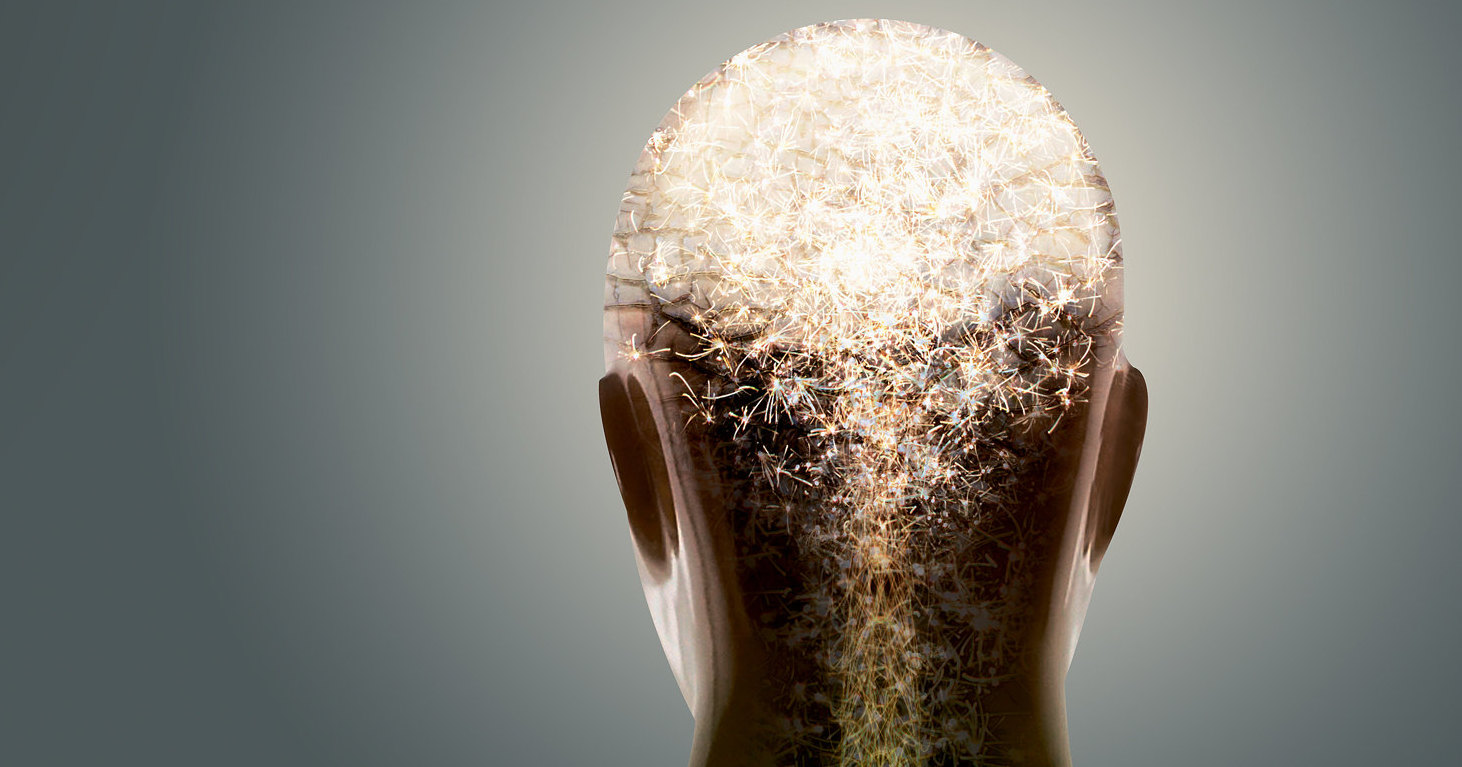
Neurogenesis is the production by the brain of new cells of the nervous system — neurons. Studying this issue can help people recover faster from depression, post-traumatic stress disorder, delay the onset of Alzheimer’s disease, and deepen our understanding of how our memory and learning work.
Shaking the dogma
Everyone knows the expression: “Nerve cells do not regenerate.” This postulate, proposed in 1928 by the father of modern neuroscience, Ramon y Cajal, has been indisputable for many years. It wasn’t until 1961 that American neuroscientist Joseph Altman from the Massachusetts Institute of Technology demonstrated the formation of new nerve and glial cells in the hippocampus of adult cats, and then rats. To do this, he used radioactively labeled thymidine (one of the bases of DNA). Since adult neurons do not have the ability to divide, the accumulation of labeled thymidine in the cell nuclei could have only one explanation — neurogenesis occurs in the brain.
Despite this, the existence of neurogenesis in adults is still a hot topic of debate. The study of the issue is complicated by the fact that the formation of nerve cells is influenced by many factors: a number of drugs, X-rays, psychiatric and neurodegenerative diseases such as depression, anxiety disorder, Alzheimer’s and Parkinson’s diseases.
In addition, the proteins that determine the production of new neurons are extremely unstable. The delay of just a couple of hours from death to brain preservation already reduces the quality of the data used to determine the signs of neurogenesis.
Nevertheless, the scientific community is inclined to believe that neurogenesis does occur in an adult. To understand how scientists came to this, let’s look at the highlights of the study, from early animal experiments to large-scale human studies.
Don’t miss the most important science and health updates!
Subscribe to our newsletter and get the most important news straight to your inbox
New neurons for new songs
In 1988, Stephen Goldman, a neuroscientist at Cornwall Medical University, proved neurogenesis in adult canaries. This was an important milestone in the study of this phenomenon. The scientist showed that the number of neurons in the nucleus of higher vocal control was higher in singing males than in silent females. Goldman also revealed the growth of nerve cells in birds in the spring, when they learn new songs. This made it possible to link neurogenesis and behavior.
Later, scientists discovered adult neurogenesis in reptiles, amphibians, and even bony fish. In the latter, new cells of the nervous system are formed evenly throughout life. At the same time, new neurons in fish are found in all parts of the brain.
A cheap and reliable method
A real breakthrough in the study of this issue was the invention of immunohistochemical methods that made it possible to detect young neurons simply (an atomic reactor is not required for this), cheaply and reliably compared to radioactive tags that were used before.
It soon became clear that adult neurogenesis was not limited to rats and could be found in primates and humans. In 1998, Elizabeth Gould from the Department of Psychology at Princeton University discovered the formation of new neurons in the dentate gyrus of rhesus monkeys.
Recent research
Scientists from the Autonomous University of Madrid analyzed brain tissue from deceased people aged 43 to 87 years. After that, they came to the conclusion that the brain is replenished with new neurons throughout life. New cells are formed in the dentate gyrus, an area of the hippocampus responsible for learning, memory, and emotion.
With age, the production of neurons may decrease. If a forty-year-old person has about 40,000 new cells per mm3 in his brain, then by the age of seventy their number decreases to 30,000. Scientists believe that this may be what leads to the loss of cognitive functions as we age.
New neurons appear in those who suffer from Alzheimer’s disease, but the number of new neurons in their brains is less than in healthy people. Moreover, a sharp decrease (by 50-75%) occurs at the earliest stages of the disease. This means that the slowing down of neurogenesis is influenced not only by aging, but also by other as yet unknown processes.
A recent paper by American scientists from the University of Chicago has obtained similar results. It turned out that the appearance of new nerve cells in the brain continues into old age. Neurogenesis has been found even in people with serious neurodegenerative diseases, although to a much lesser extent.
Why does the brain need it?
Today, there are four main hypotheses of the functions of neurogenesis in the adult brain:
1) New neurons are actively involved in learning. French experts from Francois Rabelais University have shown that tasks like orientation in an unknown space, one-time recall of a frightening situation, short-term stressful or disturbing conditions provoke neurogenesis.
2) Emotion regulation and stress recovery. Martin Egeland from the Department of Psychiatry at King’s College London cites data showing that chronic stress and cortisol injections lead to suppression of neurogenesis, imbalance in the regulation of stress hormones, depressive and anxious behavior. On the contrary, stimulation of neurogenesis leads to a decrease in depressive behavior in mice exposed to chronic stress.
3) Recognition of subtle differences. Experts at the Salk Institute for Biological Research believe that young neurons suppress the activity of mature cells, preventing them from firing simultaneously, which is important in cases where an object is similar to two categories at the same time. When scientists blocked young neurons, the rats lost the ability to distinguish between similar images, but this did not affect the ability to distinguish between images that were very different from each other.
4) Cognitive flexibility. Suppression of neurogenesis, as experiments have shown, impairs the ability of rats to solve intellectual problems. On the contrary, when animals were placed in cages full of toys, treadmills, and tunnels, the rodents traversed the maze faster, and more new neurons began to form in their brains.
Why would we do that?
Today, an ordinary patient cannot order an analysis of their neurogenesis level, but the necessary methods have been developed and are only awaiting clinical trials and implementation in practice. These include positron emission tomography with radioactively labeled thymidine and NMR with a peak measurement of 1.28 ppm. Knowing the specific neurophysiological cause of the disease will provide new opportunities for developing more effective drugs for depression, anxiety disorder, Alzheimer’s disease, and cognitive impairment.
Neurogenesis in adults suggests that in the future we will be able to obtain hippocampus-like structures from induced human stem cells and test drugs for neurodegenerative and psychiatric diseases on them with the same ease with which mucosal membranes are being scraped and which drugs an infection reacts to.
Activation of neurogenesis
In his book “Taming the Amygdala and Other Brain Training Tools,” American neurophysiologist John Arden cites three ways to increase neurogenesis:
1. Physical activity
Previously, it was believed that physical activity promotes health due to its beneficial effects on the circulatory system and the heart. Recent studies have not only confirmed this claim, but also proved that exercise promotes more active formation of new neurons.
2. Intelligent load
Stem cells are able to differentiate into neurons and glial cells during a process that is activated by physical exercise. However, physical activity alone will not provide support for new neurons. According to research results, this also requires an intellectual environment: reading books, active social life, attending exhibitions, concerts, and participating in intellectual games.
3. Healthy sleep
Scientific work shows that lack of sleep hinders the ability of brain stem cells to grow and become new neurons. With chronic lack of sleep, the size of the hippocampus decreases.
Thus, neurogenesis allows us to maintain a clear mind, the ability to learn new things and flexibly adapt to circumstances even in adulthood.
Published
June, 2024
Duration of reading
About 3-4 minutes
Category
The brain and nervous system
Share

