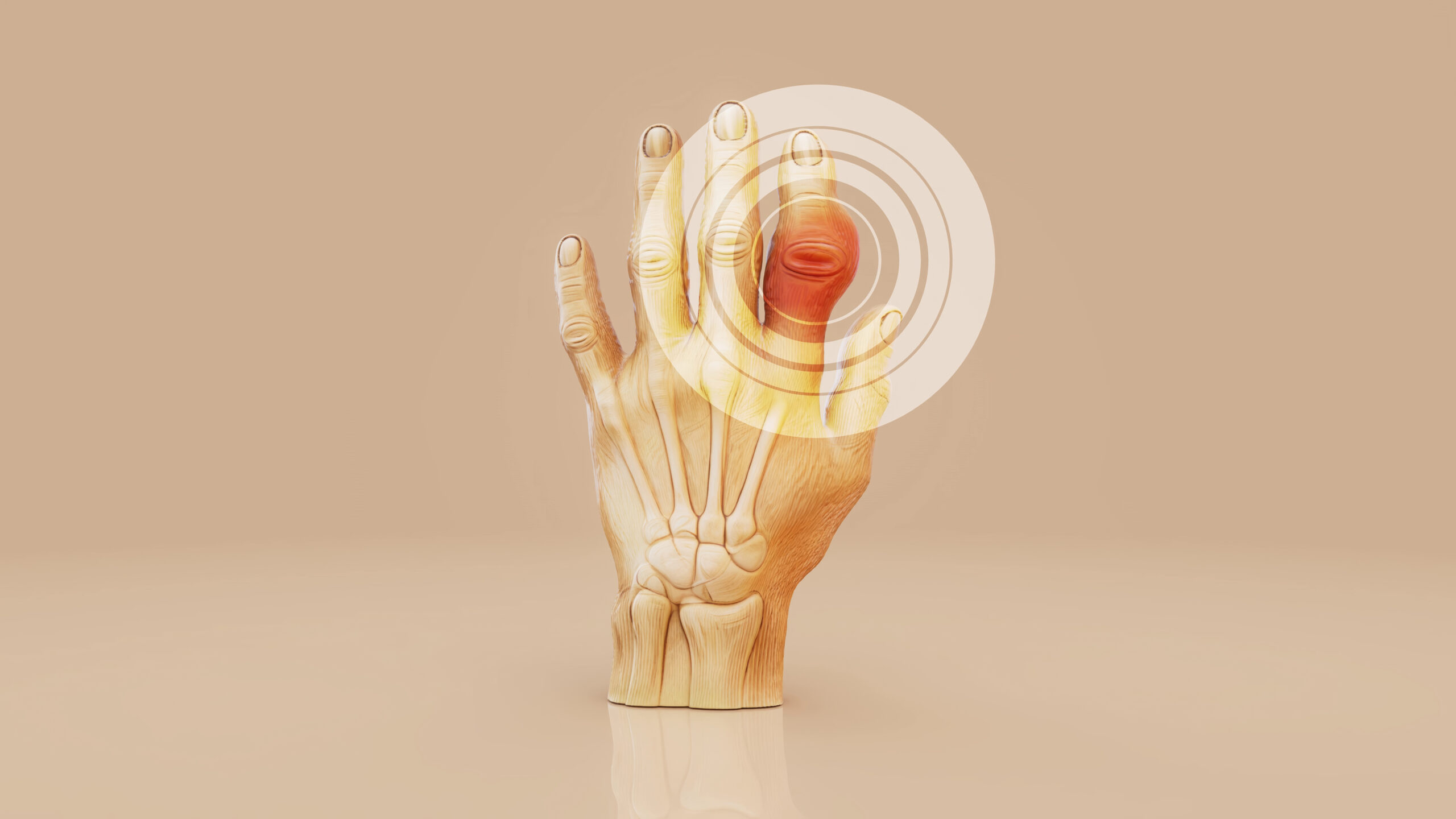
Most types of arthritis, and in particular rheumatoid arthritis, are autoimmune diseases. That is, regardless of the “initial circumstances” that triggered the onset of the disease, rheumatoid arthritis always causes a malfunction of the immune system.
As a result of this malfunction, immune cells-lymphocytes, which are supposed to recognize and destroy intruders (bacteria, viruses, etc.), for some reason “lose their course” and perceive the cells of their own native organism as enemies. They attack their own joints as if they have recognized foreign agents in the joint cells (in particular, they secrete special substances — inflammatory mediators that penetrate into the attacked joint and cause the death of many of its cells). And they continue to do this for years, even when there is no foreign material in the joints.
All this is very reminiscent of the times of Stalinist repression, when the state security agencies, instead of destroying enemy agents and spies, declared their own innocent fellow citizens enemies of the people and destroyed them in unimaginable numbers. The same thing is done within the body by the immune cells of a person with rheumatoid arthritis in relation to the cells of their native joints.
The reasons why protective cells suddenly begin to be regarded as alien cells of their native organism may be different. Sometimes autoimmune aggression can be triggered by an infectious disease or a latent, sluggish infection. For example, in about 40% of cases, this disease is preceded by acute respiratory disease (ARD), flu, sore throat, or exacerbation of chronic infectious diseases. Recent studies have shown that after infections, individual microbes or viruses may remain inside diseased joints, and more often, particles of them, to which immune cell receptors react so aggressively.
Occasionally, the onset of the disease is provoked by injury or severe hypothermia — prolonged or one-time.
But much more often, arthritis develops as a result of severe emotional shock or severe stress. At least half of my patients developed the disease after painful strokes of fate: dismissal from work, divorce, loss of loved ones, etc., especially if these strokes of fate were preceded by any long-term exhausting experiences.
Or if the shocks are superimposed on certain character traits.
Perhaps there is some rational grain in the conclusions of American scientists. But you and I still understand that not every reserved person who grew up under the influence of strict parents will get arthritis. Otherwise, at least half of the Russian population would suffer from it. And even against the background of severe stress, not everyone gets arthritis. Apparently, for the occurrence of arthritis, in addition to stress, some additional trigger mechanism is needed (that is, some kind of trigger link).
According to my observations, the role of such a “trigger button” is often played by long-term pent-up anger, guilt and self-loathing for real or imaginary offenses, and especially strong (or lingering) resentment that occurs against the background of chronic distress.
And it doesn’t really matter who a person with a predisposition to arthritis is offended or angry with — parents, spouse, children, friends, or even just “for life.” If sufficiently strong negative emotions are present, then a response from the hormonal system of the body automatically occurs, stress hormones are released, and the likelihood of an autoimmune reaction of the body increases (like an immune attack against its own joints). And it will be possible to stop this attack only if a person can get rid of his resentment and will be able to completely “let go” of it.
Source:
www.evdokimenko.ru
Don’t miss the most important science and health updates!
Subscribe to our newsletter and get the most important news straight to your inbox