Placebo and its effects
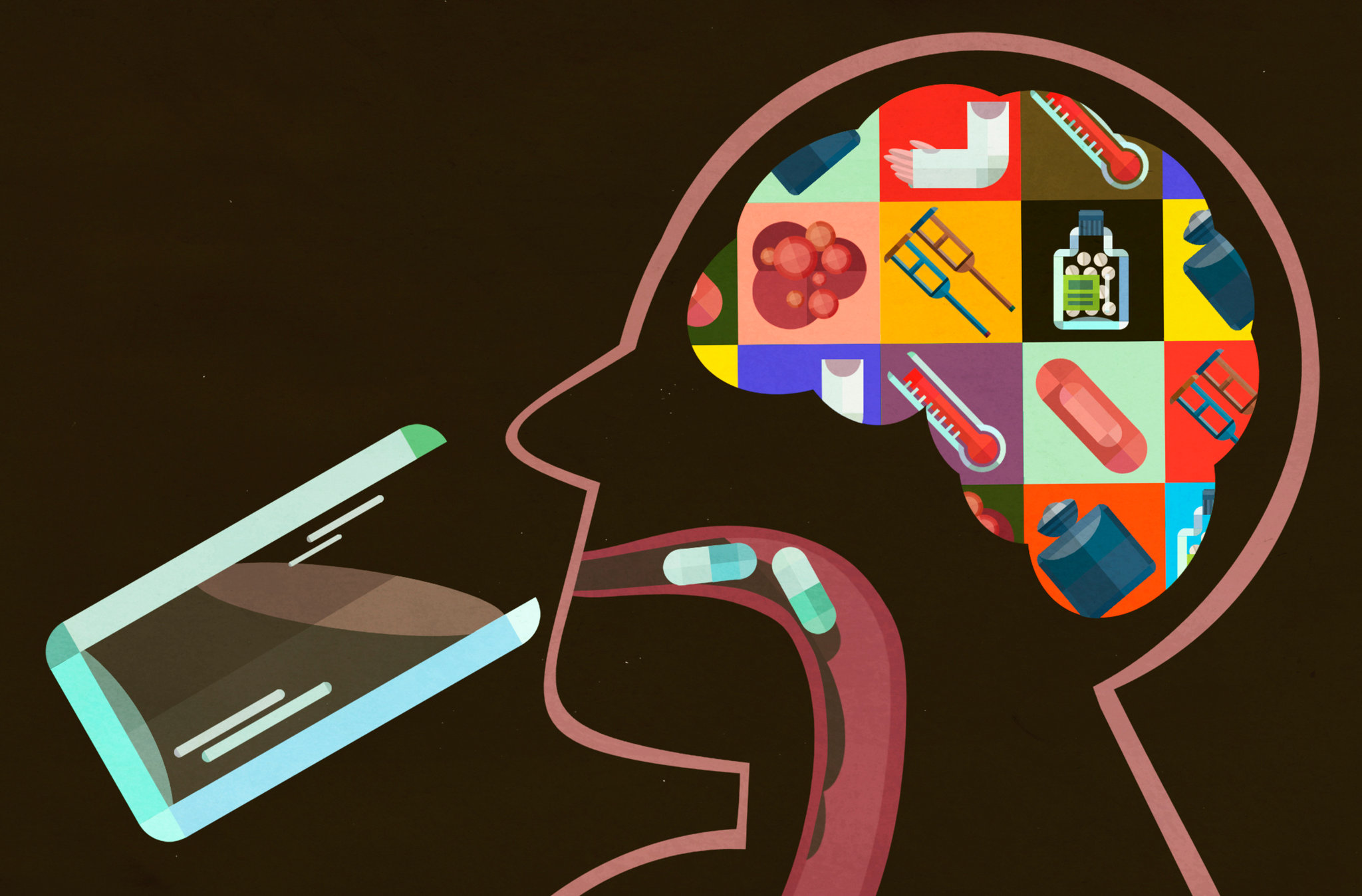
The definition of a placebo has changed over the course of history. Modern scientists use this word to understand any imitation of a medical intervention. Lactose tablets or injections of saline solution are most often used as placebos, but it also happens that a whole show is staged for the patient — they depict a surgical operation. The positive outcome of this representation is called the placebo effect, and the negative outcome is called nocebo.
Etymology of the word
The origin of the word placebo is associated with a psalm from the Latin Bible, which mourners in medieval Europe sang at funerals. Some believed that the payment for the performance of “Placebo domino in regione vivorum” (“I will please the Lord in the land of the living”) was too high, and the motives of the singers were selfish, so soon placebo began to be understood as something insincere but comforting. In medical sources, this term was first mentioned in the second edition of the New Medical Dictionary (1785) by George Moterby, who interpreted it as “an ordinary medicine or technique.” A more modern definition can be found in Hooper’s Medical Dictionary (1811): “any medicine that convinces the patient more than it actually benefits him.”Definition of a placebo
The classic definition of a placebo belongs to the American physician, specialist in the history of medicine Arthur Shapiro. “A placebo is any component of treatment that is intentionally used because of its special psychological or psychophysiological effects. It is used for the expected, but unknown to the patient and the doctor, non—specific effect on the symptom or disease,” Shapiro wrote in his works. In the broadest sense of the word, it is an imitation of treatment, which may look and be perceived as a medical intervention, but in fact it is not. That is, any therapeutic procedure can act as a placebo, regardless of its specificity (from taking pills to surgery and psychotherapy). There is also a common narrow definition of placebo as any dosage form without an active substance. Some experts point out that placebos may have pharmacological properties that do not affect a particular disease (for example, vitamins, dietary supplements, restorative drugs).The placebo effect
Patients receiving “pacifiers” may feel better. Scientists call this psychobiological phenomenon the placebo effect. It is based on several neurophysiological mechanisms. The most important of them are the expectation of improvement and associative learning. The first mechanism can have an effect on the human body through the reward system and anxiety reduction. For example, fMRI scans of the central nervous system have shown that while taking a placebo, the activity of areas of the brain responsible for anxiety decreases. And the neurotransmitter dopamine activates the reward system in the brain of a pseudocarriage. Associative learning involving conditioned reflexes is also a significant mechanism of the placebo effect. This is evidenced by clinical research data. Scientists have shown that the placebo effect is stronger if the patient has previously been given a drug with an active substance.Nocebo
The phenomenon opposite to the placebo effect is called nocebo (from Latin. noceo — to harm). The term was coined in 1961 by American scientist Walter Kennedy to refer to the negative effects of placebo. In the article “The Nocebo Reaction”, he emphasized that nocebo refers more to human qualities than to medicine. Later, this term was used to refer to non-specific, negative symptoms (drowsiness, nausea, dizziness, fatigue, headache, insomnia, etc.) that occur in clinical trials with placebo, as well as with active drugs. Modern scientists associate nocebo with a negative placebo effect. It can manifest itself through negative body reactions, worsening symptoms caused by the patient’s distrust of the doctor, the drug, or therapy in general. The effect of nocebo is due to a number of neurophysiological and neurochemical mechanisms. Negative expectations of the patient lead to a deterioration of his well-being and can affect an increase in anxiety. This, in turn, can activate the hormone cholecystokinin, which is involved in the transmission of pain.Don’t miss the most important science and health updates!
Subscribe to our newsletter and get the most important news straight to your inbox
Published
July, 2024
Duration of reading
About 1-2 minutes
Category
The placebo
Share

