Art prolongs life and helps you stay healthy

Visiting museums and plays, looking at paintings, participating in theatrical productions and singing in choirs – all these activities not only help people to improve their aesthetic taste and creative skills. Research in recent years shows that active involvement in cultural life is the most important factor in prolonging life and improving mental and physical health.
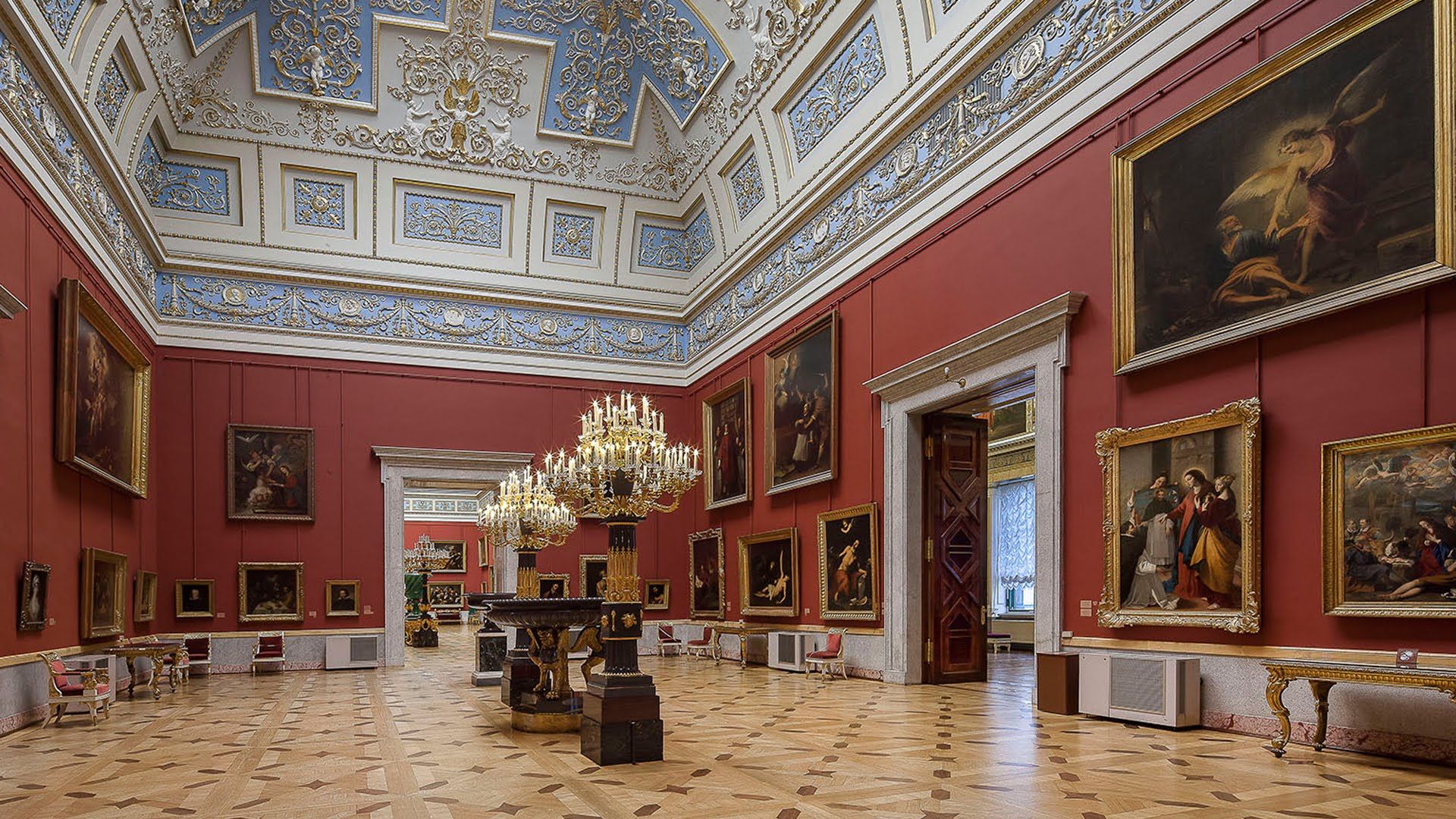
Art prolongs life and helps you stay healthy

Engaging in the arts can extend life by more than 30%

Scientists from King’s College London have found that the more often elderly people attend exhibitions, concerts, plays and movie screenings, the longer they live. English experts for 14 years (from 2002 to 2016) observed a group of 6,710 people, whose average age at the beginning of the study was 65.9 years. Some subjects almost never attended cultural events, others did so no more than once or twice a year, while others did so once every few months or more often. During the observation period, 2001 participants (29.8%) passed away. Specialists compared the data on the deaths of older people with the degree of their cultural activity. It turned out that 47.5% of those who died were people who rarely or never engaged in cultural activities, 26.6% – those who attended events no more than once or twice a year, and only 18.6% – participants with the maximum degree of “involvement” in the arts. Researchers calculated that ardent fans of cultural leisure activities had a 14% lower risk of dying compared to those who went to concerts and vernissages no more than twice a year, and a 31% lower risk of dying compared to participants far removed from the arts. Among the factors due to which attending art-related events helps to prolong life, experts named improvement of cognitive abilities of the brain, which is associated with a constant “influx” of new experiences. Theater and museum goers are also more likely to meet new people and generally socialize more, which increases “social capital” and reduces feelings of loneliness. People “involved in the arts” can also be characterized as “lighter on their feet”: compared to homebodies, they move more, strengthening the cardiovascular system.

Don’t miss the most important science and health updates!

Subscribe to our newsletter and get the most important news straight to your inbox

WHO recommends art to treat and prevent disease

In November 2019, the World Health Organization’s (WHO) website published the largest research report on the role of the arts in health and disease. Scientists from University College London, who prepared the report on behalf of the WHO, analyzed more than 3,000 studies. Summarizing the results, the experts emphasized that art activities
  • help to reduce the level of stress hormones and stimulate immunity,
  • improve physical and mental health in people with neurological disorders and non-communicable diseases, including cancer, respiratory and cardiovascular diseases,
  • help vulnerable children cope with anxiety and aggression and assist with social adjustment,
  • affect the social determinants of health (the conditions in which people are born, grow, live, work and age), helping to reduce social inequalities.
WHO experts emphasize that for the improvement of people’s health it is important to be actively engaged in various types of creative activities – dancing, drawing, singing, music, etc., as well as contemplation of works of art – visiting museums, plays, concerts, etc. According to experts, studies proving that art can have a therapeutic and health-improving effect demonstrate the need to consider health not only in a physiological, but also in a broader social and public context.

Art classes reduce the risk of dying from a variety of causes

The more often people engage in art, the lower their risk of dying from various diseases, primarily from cardiovascular diseases – this is the conclusion reached by scientists from the Finnish Institute of Occupational Health. The study, the results of which were published in 2009, involved about eight thousand employees of Finnish enterprises aged 18 to 65 years (at the time of the study). The observation period was 18 years (from 1986 to 2004). During the follow-up period, 781 people passed away, with the main causes of death being cardiovascular disease (309 cases), cancer (223 cases), death from external causes (111 cases, including homicide and suicide) and alcoholism. It turned out that young people who attended regularly had lower deaths from external causes and alcoholism. According to experts, this is due to the fact that people who engage in cultural activities are less likely to be in dangerous places. Also, attending cultural events increases the number and strengthens social ties, does not allow a person to feel lonely, helps in preventing depression and improving mental health. This leads to a decreased likelihood of suicide and the development of alcohol dependence. In people over the age of 40, involvement in cultural activities has been linked to lower mortality from heart disease. Among the factors by which art keeps people from heart disease, scientists include positive emotions that reduce stress levels, high social activity and strengthening social ties, which have been shown to play a critical role in preventing cardiovascular accidents.

Attending cultural events saves from depression and dementia

One of the causes of brain aging, development of cognitive impairment and Alzheimer’s disease is depression. This fact was proven in a study at Yale University. Therefore, one of the measures to prevent the development of age-related neurodegenerative disorders is to prevent depression in the elderly. Specialists from Imperial College London in 2019 published data that confirmed: people who are actively involved in cultural activities are much less likely to suffer from depressive states. The study, conducted by British scientists, involved 2148 elderly people. For 10 years, experts tracked the relationship between the frequency of visits to exhibitions, concerts, plays, etc. and the development of depression. It turned out that people who found time to “immerse themselves in art” once every few months suffered from depression 32% less often than participants who neglected cultural life. Those who went to exhibitions or performances once a month or more often were 48% less likely to develop depression.

Being creative at work improves brain function

Specialists from the Stockholm Stress Institute (Sweden) in 2019 published a review of research on the benefits of cultural activities conducted in the workplace. Thus, the observation of a group of 16.5 thousand participants for 12 years (2006-2018) showed that people involved in art activities in the workplace are much less likely to suffer from depressive disorders, they also have improved brain performance. The cultural activities that took place directly in the workplace included both passive and active arts activities. Passive ones included watching movies together, listening to music, organizing exhibitions in the office or inviting artists to perform. Studies have shown that participating in these types of leisure activities has less positive impact on people’s mood and brain function than actively contributing to the activities. Among the forms of active leisure activities that were practiced in the workplace, choral singing, playing musical instruments, joint theater productions, drawing courses, and writing trainings were mentioned. Active participation of employees in activities with regularity at least once a week proved to be the most effective for depression prevention and improvement of brain activity.

Going to museums prevents Alzheimer's development

In 2018, scientists from University College London in a study found a link between the frequency of museum visits and the risk of developing dementia. Participants were 3911 thousand people, the average age of whom was 63.8 years. During 10 years of observation, 246 people (6.3%) showed signs of senile dementia. It turned out that among those who became ill, most of them were people who had never visited museums or did so no more than once a year, while participants who visited museums once every few months or more often were the least in the group with dementia. Specialists believe that the positive effect is due to the fact that frequent visits to museums stimulate the formation of new neural connections in the brain, improves cognitive abilities, trains memory, provides opportunities for communication with new people, and is also a mild form of physical activity. All this is quite effective in preventing age-related dementia and can be recommended for older people to prevent the development of Alzheimer’s disease.

Choral singing prolongs life

Joint singing activities have a positive effect on the quality and duration of life – this is the conclusion reached by experts from the University of Sussex (England). For 7 years, scientists conducted research to determine how different types of group activity affect human life and health. During this time, more than 300 thousand people were in the field of vision of specialists. According to researchers, art activities in a group, including singing in a choir, increase life expectancy by up to 50%. Scientists believe that the positive impact of choral singing on health is due to many factors:
  • While singing, people experience a rush of positive emotions, which has a favorable effect on the heart and other organs;
  • Singing helps to enrich the blood with oxygen, which reduces the risk of coronary heart disease and other conditions caused by oxygen deficiency;
  • Singing helps to improve physical and mental well-being, which is important during the progression of age-related diseases, for example, it helps to reduce the intensity of pain and prevents depression;
  • Choral singing enhances and strengthens social ties, strengthens the sense of identity and belonging to society, which has a positive effect on self-esteem and creates conditions for social integration.
Experts claim that choral singing is no less effective in preserving health and prolonging life than a healthy diet, smoking cessation, obesity prevention and optimal physical activity.

Conclusion

Among the bonuses that people get from the arts are not only self-fulfillment, but also a significant improvement in health. At the same time, almost all studies devoted to this topic emphasize that creative activity is beneficial only if it is practiced on a regular basis. Besides, it is obvious that the chance to prolong life is higher for those people who not only act as a passive contemplator, but also actively participate in creative processes. Therefore, it is never too late to take up painting, go to theater or writing training, enroll in a choir circle or clay sculpting courses. It is important to remember: while independent creative activities are undoubtedly beneficial for health, collective activities are more useful, where you can socialize with people, make new friends, feel part of society.

Published

June, 2024

Duration of reading

About 3-4 minutes

Category

Aging and youth

Share

Send us a message