Hypoxia and longevity: low oxygen levels may extend life

The deeper scientists study aging, the more it becomes clear that it is not an inevitable consequence of life. Humans are trying to do everything they can to slow it down and increase longevity. And some studies show that interval exposure to hypoxia can offset the effects of aging by strengthening the body.

Hypoxia and longevity: low oxygen levels may extend life

Not enough air

Hypoxia can be acute or chronic and occurs when the body’s tissues receive less oxygen than normal. At higher altitudes, around 2500 meters above sea level and above, hypoxia occurs due to lower atmospheric pressure. Studies have shown that the percentage of gases in the composition of the air at different altitudes almost does not change and the amount of oxygen in it is the same as in the mountains and at sea level. The only difference is the pressure. As altitude increases, this pressure decreases, and the pressure of each component of the air decreases accordingly. The rate of oxygen penetration to the blood vessels is not determined by its quantity in the air, but by its partial pressure. Therefore, even though the concentration of oxygen in the air is the same, the amount assimilated becomes less and less with increasing altitude. Lower pressure means less oxygen in the lungs, which in turn reduces the oxygen saturation of the blood. For discovering exactly how cells sense whether they have enough oxygen, American scientists William Kalin Jr, Greg Semenza and British researcher Sir Peter Ratcliffe were awarded the Nobel Prize in 2019. The scientists found, the body compensates for oxygen deficiency with the protein complex HIF-1𝛼 (hypoxia-inducible factor). Under conditions of oxygen deficiency, the protein triggers the body’s response by causing the kidneys to release the hormone erythropoietin. The hormone transmits a signal to the bone marrow, and the result is more hemoglobin-rich red blood cells entering the bloodstream. These new cells carry more oxygen from the lungs to the tissues, compensating for the lack of oxygen during hypoxia. Thus, the HIF-1𝛼 protein is responsible for the body’s ability to adapt to high altitude conditions. Over time, it enhances the production of erythropoietin so that the body can adapt to less oxygen in the new environment. Although the effects begin to appear relatively quickly, it takes time for the body to get used to the hypoxic conditions. It may take several days or even months before the body feels it is getting enough oxygen.

Don’t miss the most important science and health updates!

Subscribe to our newsletter and get the most important news straight to your inbox

The higher you live, the longer you live?

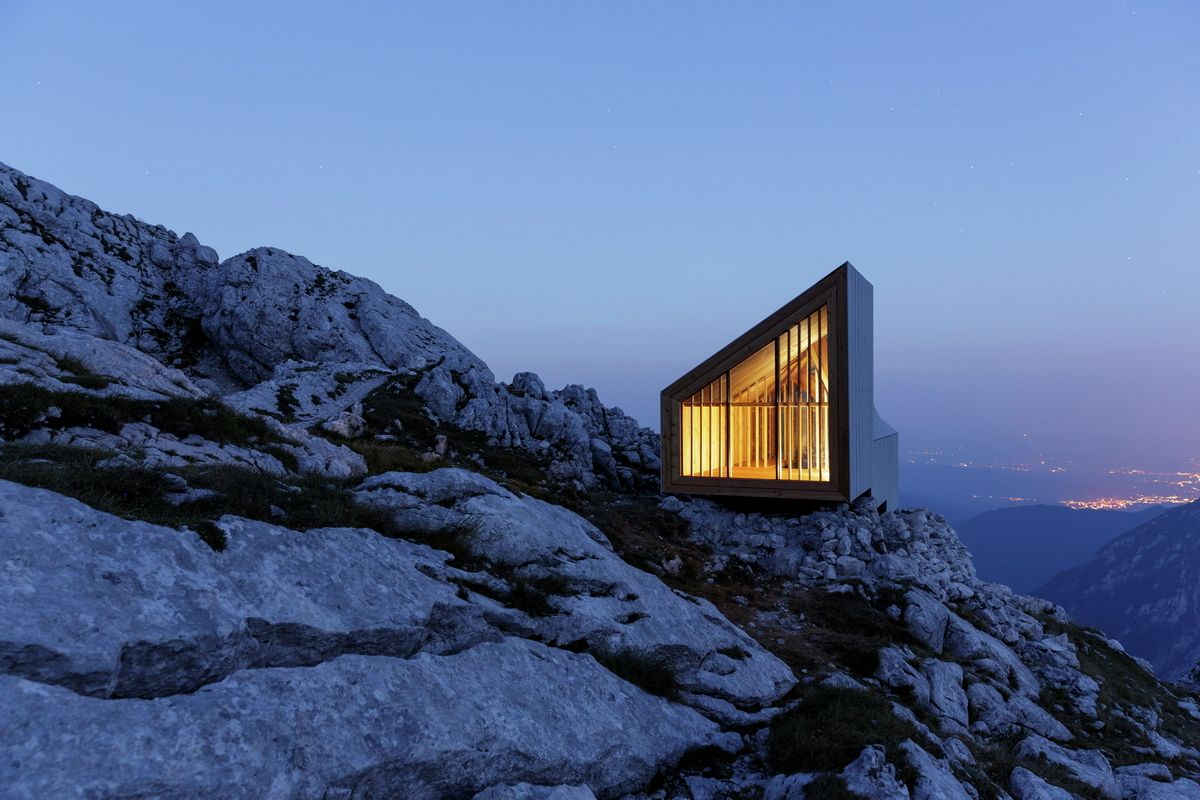
A study by scientists from the Chinese Academy of Sciences has shown a possible link between hypoxia and longevity. They found that people living under hypoxic conditions on the Tibetan Plateau tended to live longer than their peers in other regions of China. In fact, the proportion of people over 91 and long-lived in Tibet continues to rise, although the proportion of older people over 60 is still much lower than in the rest of China. The findings were published in Cell Research and are based on data from China’s 2010 demographic census. It also noted that there were many more men over the age of 100 in the region than in the rest of the country. According to Zhang Ya-ping, vice president of the Chinese Academy of Sciences, and Wu Dong-dong, a professor at the Kunming Institute of Zoology, the link between longevity and life at high altitude is not just an assumption. Arguing that hypoxia may contribute to longevity, the researchers suggest that this environment may alter the expression of genes associated with aging, leading to increased longevity. Prof. Gustavo R. Zubieta-Calleja of the High Altitude Institute of Lung and Pathology (Bolivia), who studied the lives of people in the Andean region of South America, came to similar conclusions. The cities of La Paz, Potosí, Cochabamba and Chuquisaca had significantly higher proportions of people over 90 and 100 years of age compared to the regions below. Benjamin Honigman, M.D., of the University of Colorado, partnered with the Harvard School of Global Health to analyze data by U.S. county, which found that people living at higher altitudes have a lower chance of dying from coronary heart disease and tend to live longer than others. Scientists have suggested that this may be due to the low partial pressure of oxygen found in mountainous terrain. Another explanation may be that the increased solar radiation at altitude helps the body better synthesize vitamin D, which also has beneficial effects. Experts from the University of Athens, together with the Harvard School of Public Health, who analyzed life expectancy in Greece, found that living in mountainous areas has a “protective effect” against total and cardiovascular mortality due to the effects of moderate hypoxia.
Hypoxia and longevity: animal research

In observations on laboratory mice with genetically modeled Leigh syndrome (mitochondrial spectrum disease) at the Howard Hughes Medical Institute in the United States, Vamsi Moota and colleagues noted that chronic hypoxia contributed to a significant increase in the life expectancy of animals, normalization of body weight and temperature, as well as positive changes in behavioral responses, reducing the severity of manifestations of neurological disorders and progression of the disease itself. Scientists from Ben-Gurion University of the Negev in collaboration with the State Institute of Gerontology of the National Academy of Medical Sciences of Ukraine in 2019 published a paper on the effect of hypoxia-hypercapnic environment on the metabolism of young and old mice. It was shown that chronic exposure to such an environment resulted in a long-term and significant decrease in metabolic rate, body temperature and food intake without a significant change in stress-related gene expression. In addition, the hypoxia-hypercapnic environment accelerated skin wound healing despite lower energy expenditure. Thus, virtually all processes that are associated with life extension were affected.

Effect of hypoxia on human age-related diseases

Today, hypoxic training has already proven its effectiveness in the treatment of a wide variety of diseases. First of all, in respiratory diseases such as bronchitis and asthma. But the most surprising thing is that thanks to it, even those diseases that, at first glance, have nothing to do with breathing can be treated. Adaptation to hypoxia is one of the best-preserved survival mechanisms of the human body, including the cardiovascular system. Therefore, some scientists believe that hypoxia may be a good non-pharmacologic method for the prevention and treatment of cardiovascular disease. In 2018, Doctor of Medical Sciences, Professor I. A. Vasilenko on the basis of the Moscow Regional Research Clinical Institute named after M. F. Vladimirsky showed that exposure to hypoxia was effective in improving the general condition and activating the process of rejuvenation of the body of age patients, as well as local correction of changes in the skin of the face and neck. In addition, the therapy helped to reduce heart rate, stabilize blood pressure, increase the number of red blood cells and oxygen capacity of the blood, improving oxygen supply to the entire body. In 2019, scientists from Ukraine and the United States based on the results of a pilot study revealed the potential benefit of hypoxia to improve cognitive function in patients both before the first signs of Alzheimer’s disease and to slow the progression of the already acquired disease.

Conclusion

The mechanism of the body’s sensitivity to reduced oxygen regulates many different processes in a wide variety of organs and tissues. The adaptation of the organism to hypoxia has already found its application in practical medicine, and many scientific studies have been devoted to it. It has been proved that interval hypoxic training is effective against a number of diseases and increases the body’s resistance to external influences and physical stress. Some scientists are convinced: hypoxia makes a great contribution to prolonging human life. Photo: losko.ru

Published

June, 2024

Duration of reading

About 3-4 minutes

Category

Aging and youth

Share

Send us a message