Gormesis and gormetins: when is stress beneficial?
Paracelsus’ words that it is the dose that makes a substance a cure or a poison are also true of stress. Uncontrolled, excessive stressors can cause serious damage to health and become life-threatening. At the same time, small, dosed stress loads, on the contrary, strengthen the organism, improve its ability to adapt. A positive reaction of the organism to stress is called hormesis, and moderate stress factors triggering hormesis are called hormetins.
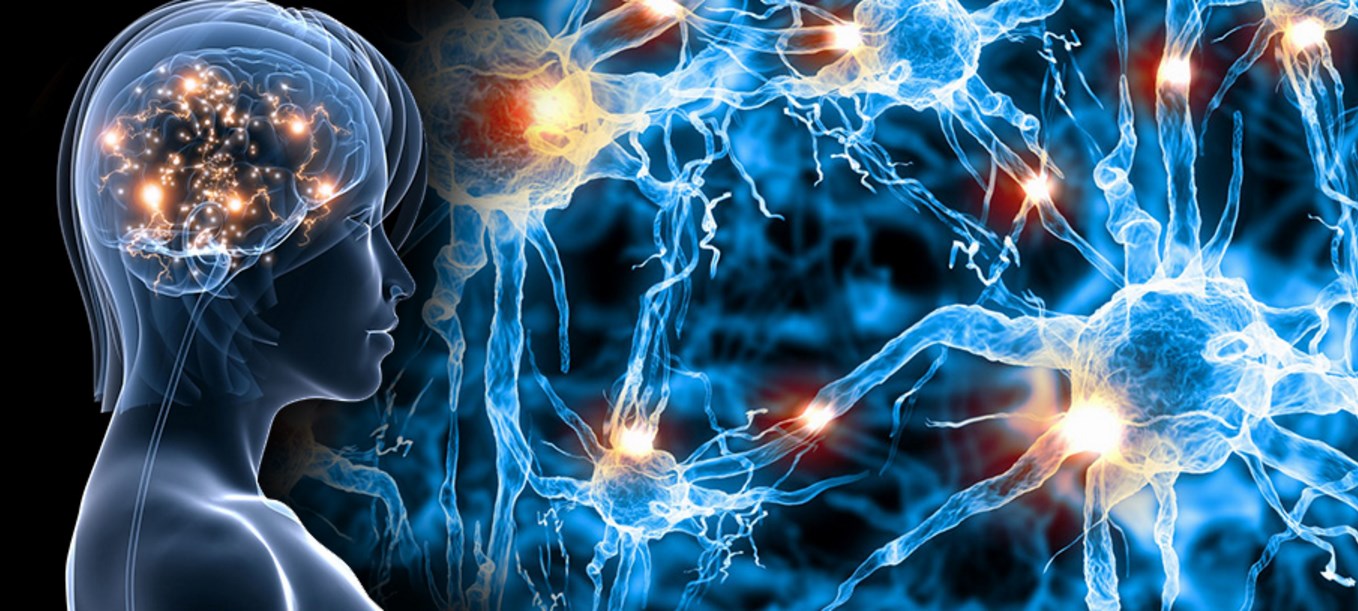
Examples of hormesis
Don’t miss the most important science and health updates!
Subscribe to our newsletter and get the most important news straight to your inbox
Types of hormetins
- Physical. They include sports loads, action of moderately high or low temperatures (bath, sauna, cryosauna). This group also includes radiation hormesis, which implies a positive effect on cells of small doses of radiation, close to the value of the natural radioactive background of the Earth – it has been proven that this stimulates the immune system;
- Food or nutritional hormetins. They are contained in food products and in small doses activate the processes of cell renewal and cellular structures, and in large doses have a damaging effect. Food hormetins include quercetin, found in apples, plums, cranberries, cherries, onions, currants; resveratrol, rich in red wine and peanuts; curcumin, found in curry; carnosine in chicken and turkey and others.
- Mental hormetins. These include stress, which a person encounters in the process of learning new information, reading complex books, solving problems, participating in intellectual games and so on.
Published
July, 2024
Duration of reading
About 1-2 minutes
Category
Nutrition
Share

