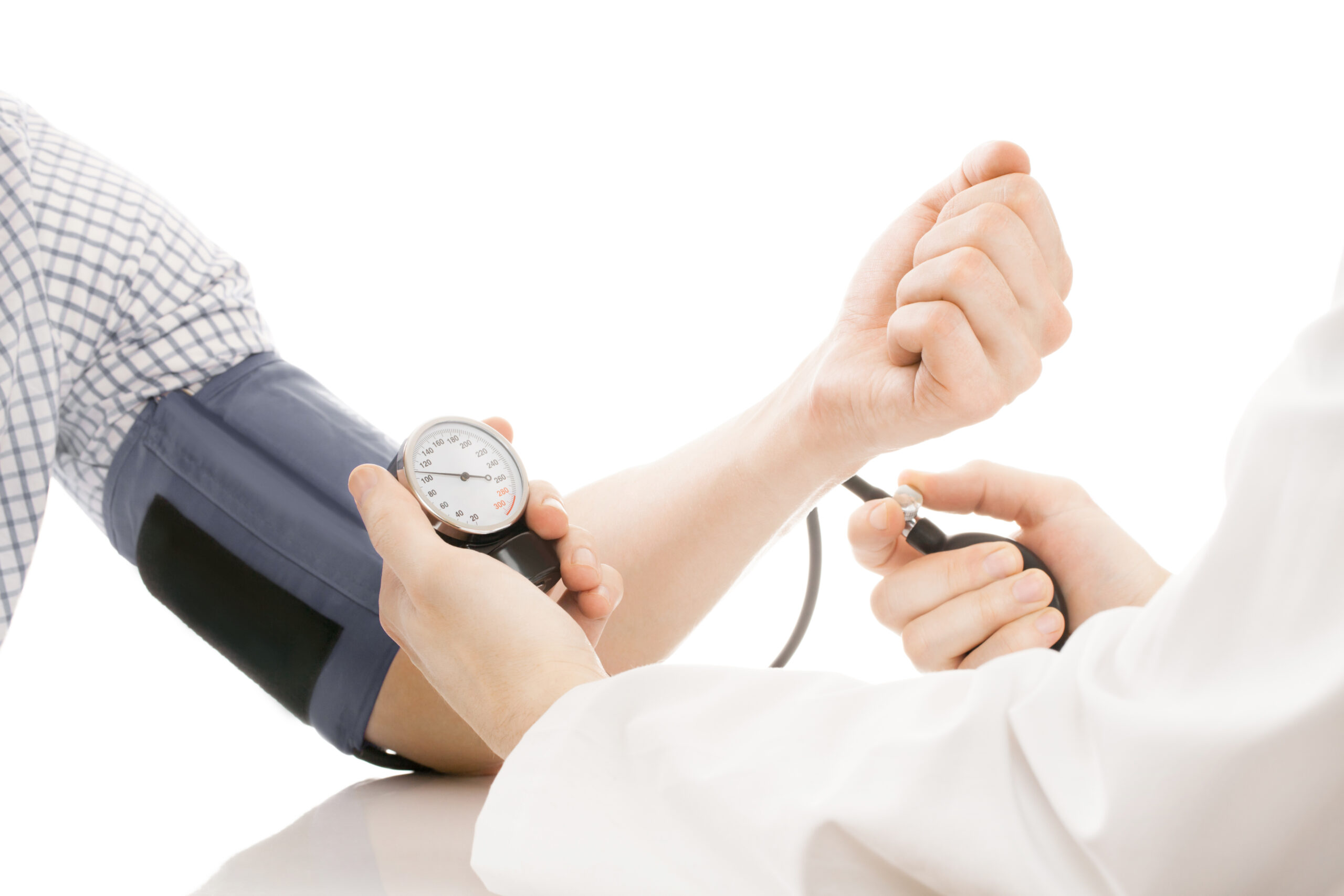
Why control the pressure?
Arterial pressure (BP) is an important indicator of human health, which reflects the quality of the cardiovascular system. This is the blood pressure inside an artery that can change over the course of a lifetime due to a variety of factors. A person needs to know his level, since a deviation from the norm may indicate the development of a serious pathology. Therefore, doctors recommend that you always have a blood pressure monitor to periodically check blood pressure.
All modern pressure measuring devices are based on the method of Nikolai Sergeevich Korotkov: the first sound heard when the pressure in the cuff decreases corresponds to the maximum pressure (systolic), and the moment of disappearance of all sounds corresponds to the minimum pressure (diastolic). The difference between these values is called the pulse.
There are four categories of blood pressure from which you can draw conclusions about your condition.:
- <120/80 mmHg — optimal;
- 120/80-130/85 mmHg — normal;
- 130/85-140/90 mmHg — elevated normal;
- >140/90 mmHg — high.
In healthy people, the pressure indicator is relatively stable, but it can fluctuate depending on physical exertion, stress, and excessive fluid intake. Underestimated or overestimated indicators lead to diseases such as hypotension and hypertension.
Don’t miss the most important science and health updates!
Subscribe to our newsletter and get the most important news straight to your inbox
The "dumb killers" of the body
Hypotension is expressed in a decrease in blood pressure and can manifest itself in absolutely any person. A hypotonic person can be considered someone whose blood pressure is measured up to 100/60 mmHg or lower. The main symptoms are nervousness, sleep loss, loss of strength, headaches, fainting, emotional overstrain, etc. Low blood pressure significantly impairs the quality of life and often leads to the development of circulatory hypoxia, atherosclerosis, and coronary heart disease.
Currently, Russian and foreign doctors are actively studying the issues of low blood pressure in humans, as well as developing methods of treating this disease: they use new drugs, recommend exercise complexes, and give instructions on self-diagnosis.
The risk of high blood pressure has increased significantly today, as there are many more harmful factors affecting the development of cardiovascular diseases, tumors, etc. It is known that blood pressure increases with the development of hypertension in humans. With it, the walls of blood vessels thicken and local constrictions (stenosis) form, which leads to impaired blood circulation and blood supply to the brain.
The prevalence of hypertension among the population is very high. According to statistics, the incidence rate in Russia has increased to 44% (of which 48.2% among men and 40.8% among women). Moreover, not only the elderly are ill, but even the young. Only in a small percentage of cases, hypertension develops due to kidney disease, atherosclerosis, or endocrine diseases. But in most cases, the reasons remain unclear. In half of them, hypertension may be asymptomatic at all, so a person may not even suspect that they have an insidious disease, but then they feel a sharp deterioration in their condition: heart attack, stroke, heart failure. Those who survive these disasters remain disabled, doctors say. That’s why it’s so important to control blood pressure and not risk your health or even your life.
Prevention is most effective
People who suffer from these diseases should be monitored by specialists and take prescribed medications. But even before medical diagnosis, a person is able to perform most of the preventive measures on their own. It is prevention that will help to fundamentally prevent the disease — it is always better than diagnosing the disease at a late stage.
Prevention is primarily based on a person’s lifestyle.: How he eats, sleeps, is physically active, whether he drinks alcohol, etc. It should be remembered that life expectancy largely depends on what kind of activity he conducts, so it is important to take care of his health now: exercise, fight excess weight, stress and bad habits, and take timely treatment..
Experts in the field of arterial hypertension study identify a whole non-drug preventive program, which includes six factors of pressure normalization:
- Reducing the use of table salt.
- Reducing alcohol consumption.
- Changing the diet.
- Reduction of excess body weight.
- Increased physical activity.
- Smoking cessation.
People with arterial hypotension are recommended to moderate daily consumption of high-calorie foods, coffee and strong tea. According to doctors, working in one position and lifting weights adversely affect the body. Favorable — moderate exercise: walking, light running, swimming, aerobics, etc.
Blood pressure measurement is not a complicated procedure, it is quite possible to perform it at home. Self-monitoring of vital signs is very important and meets the interests of everyone here: both the doctor and the patient. Therefore, a person who independently monitors blood pressure can be considered not just a patient, but a full-fledged partner.
Photo: cdn.zerotoherofitness.com