How bones work

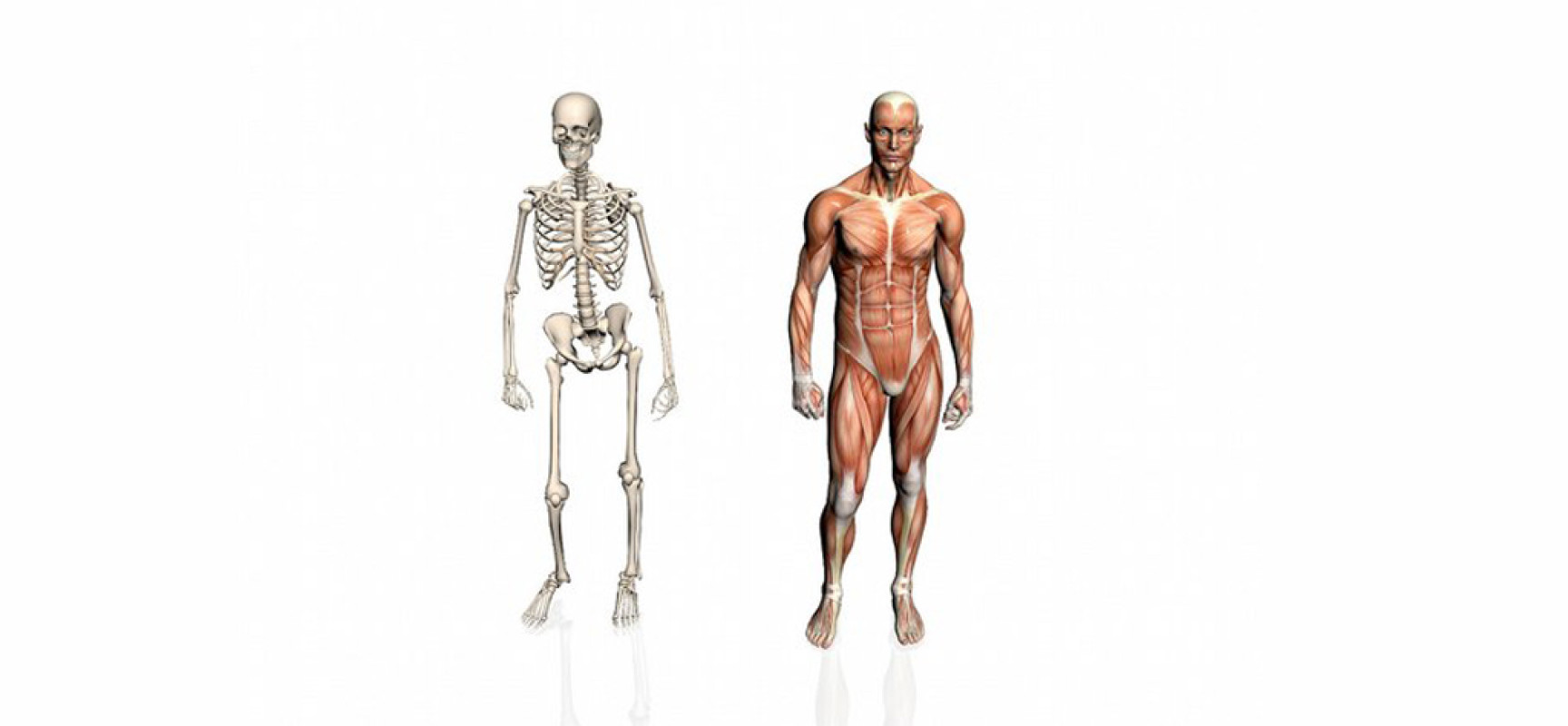
Bone is the hardest substance present in the human body after tooth enamel. Its unusually high resistance is due to the peculiarities of its structure: bone substance is a special type of connective tissue — bone tissue, the characteristic features of which are a hard, fibrous intercellular substance soaked in mineral salts and stellate cells equipped with numerous processes.

How bones work

Classification of bones

Each bone is an independent organ and consists of two parts: the outer one, the periosteum, and the inner one, formed by bone tissue. Inside, in the bone marrow cavities, is the bone marrow, the most important hematopoietic organ of man. Depending on the shape due to the function performed, the following groups of bones are distinguished:
  • long (tubular)
  • short (spongy)
  • flat (wide)
  • mixed (abnormal)
  • air-bearing
A long (tubular) bone has an elongated, cylindrical or triangular—shaped middle part – the bone body, the diaphysis. Its thickened ends are called epiphyses. Each epiphysis has an articular surface covered with articular cartilage, which serves to connect to neighboring bones. The tubular bones make up the skeleton of the limbs and act as levers. There are long bones (humerus, femur, forearm and shin bones) and short bones (metacarpal, metatarsal, phalanges of fingers). A short (spongy) bone has the shape of an irregular cube or polyhedron. Such bones are located in certain areas of the skeleton where their strength is combined with mobility: in the joints between the bones (wrists, tarsi). Flat (wide) bones are involved in the formation of body cavities and also perform a protective function (bones of the cranial vault, pelvic bones, sternum, ribs). At the same time, they represent extensive surfaces for attaching muscles, and also, along with tubular bones, they are bone marrow receptacles. Mixed (abnormal) bones are characterized by a complex structure and a diverse shape. For example, the vertebral body belongs to spongy bones, and its arch and processes belong to flat ones. The air-bearing bones have a cavity in the body lined with a mucous membrane and filled with air. These include some bones of the skull: the frontal, sphenoid, latticed, and upper jaw.

Don’t miss the most important science and health updates!

Subscribe to our newsletter and get the most important news straight to your inbox
Bone tissue

As the bone grows, layers of bone tissue are successively formed. Spongy bone tissue forms the inside of the bone. Its porous structure makes bones light and resistant to crushing. Small cavities in the spongy tissue are filled with red bone marrow, which produces blood cells. Compact bone tissue, rigid and very dense, forms the outer layer of bone and provides resistance to pressure and external influences. On its surface there are Haversov channels (osteons), through which blood vessels that feed bones pass, and inside, in the medullary canal, there is yellow bone marrow, a tissue with fatty inclusions.

Chemical composition of bones

Bone tissue is rich in minerals (especially calcium), which provide it with high strength, and collagen— a protein that gives flexibility. It is constantly being updated due to the balance between two types of special cells: osteoblasts, which produce bone tissue, and osteoclasts, which destroy it. Osteoblasts play a key role in the growth and maintenance of the skeleton and the “repair” of bones after fractures. Bones include both organic (fats, proteins, and carbohydrate compounds) and inorganic substances (mainly mineral compounds of phosphorus and calcium). The number of the former is greater the younger the body; that is why bones are flexible and soft in youth, and hard and brittle in old age. In an adult, the amount of minerals (mainly hydroxyapatite) is about 60-70% of the bone weight, and organic (mainly collagen — connective tissue fibers) — from 30 to 40%. Bones have high strength and have tremendous resistance to compression; they are able to withstand destruction for an extremely long time and are among the most common remains of fossil animals. During calcination, the bone loses its organic matter, but retains its shape and structure; by exposing it to acid (for example, hydrochloric acid), it is possible to dissolve minerals and obtain a flexible cartilaginous skeleton of the bone. Source: Igor Purisov “A healthy back. Musculoskeletal system”  

Published

July, 2024

Duration of reading

About 1-2 minutes

Category

Body

Share

Send us a message