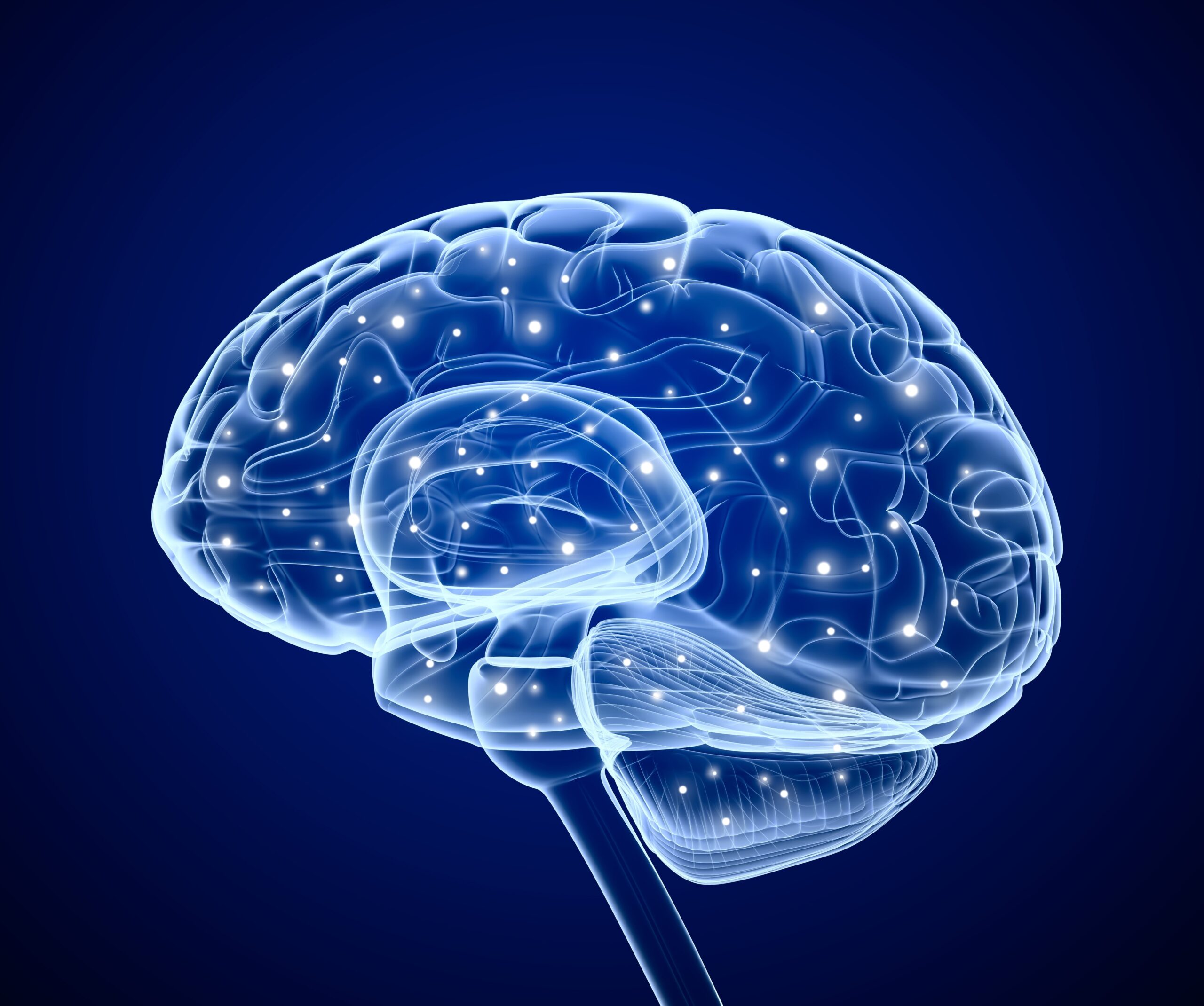
Physical exercise directly and immediately affects the physical and emotional symptoms of stress. Exercise relieves residual tension in the neuromuscular spindle, as a result of which the stress response loop from the brain is interrupted. By interrupting the stress response loop, you let the brain know that the body is no longer stressed and you can relax.
Previously, it was believed that physical activity promotes health due to its beneficial effects on the circulatory system and the heart. Recent studies have not only confirmed this claim, but also proved that exercise promotes a more active supply of oxygen to the brain and strengthens small blood vessels — capillaries.
Physical exercise reduces blood pressure by increasing the efficiency of the cardiovascular system. With an increase in heart rate, the synthesis of atrial natriuretic hormone (APH) in the atria begins. This hormone inhibits the body’s response to stress by inhibiting the function of the HPA axis and its “fight or flight” response.
This is due to the fact that APG overcomes the blood-brain barrier and attaches to the receptors of the hypothalamus, which weaken the activity of the HPA axis. Meanwhile, other areas of the brain, including the amygdala, synthesize APG. This hormone suppresses the corticotropin-releasing factor discussed in chapter 2, which is part of a chain of neurochemical processes that stimulate the “fight or flight” response and the onset of panic. Thus, APG blocks one of the most significant factors in the development of panic. It also stops the release of adrenaline and reduces the heart rate, suppressing another cause of a panic attack. All this PNG activity helps to keep calm.
Aerobic exercise reduces anxiety. The psychological changes that occur during sports outweigh the negative effect of psychological factors that contribute to increased anxiety. For example, in one study, participants were injected with cholecystokinin tetrapeptide (CCK-4), a fragment of the hormone cholecystokinin characterized by its ability to cause anxiety even in healthy and psychologically stable adults. It was noted that if the participants in the experiment exercised for 30 minutes before the injection of the substance, their anxiety level was lower than when they simply rested before the injection of the substance.
Physical exercise helps to reduce stress due to the fact that they:
— they distract attention;
—reduce muscle tension;
— supports brain resources (neuroplasticity and neurogenesis);
— increase the synthesis of GABA and serotonin;
— improve stress tolerance and self-control;
— they mobilize feelings to perform actions.
The results of one study showed that an aerobic exercise program of 12 sessions helps reduce some of the symptoms of post-traumatic stress disorder (PTSD). This is a significant achievement, as the symptoms of PTSD are long-term and irregular. Physical exercise should be part of a comprehensive strategy for the prevention and treatment of general anxiety and PTSD. Physical exercise increases the level of specific neurotransmitters that have an antidepressant effect. Here is one of the schemes of how this happens: thanks to physical exercise, the synthesis of the neurotransmitters GABA and serotonin increases. The simplest body movements trigger the release of GABA, the main inhibitory neurotransmitter. Antidepressants in the form of medications such as Valium or Ativan act on GABA receptors to calm a person down, but they have serious side effects, including the development of depression. In addition, they are addictive. As soon as a person stops taking these medications, the symptoms of anxiety return and worsen.
Exercise increases serotonin levels, while low levels have been linked to depression and anxiety. Serotonin levels rise when the body breaks down fatty acids, which serve as “fuel” for muscles. These fatty acids compete with the amino acid tryptophan (involved in the synthesis of serotonin) for a place on transport proteins, which increases the concentration of fatty acids in the bloodstream. After overcoming the blood-brain barrier, tryptophan begins to participate in the synthesis of serotonin. Serotonin synthesis is also increased by the action of the BDNF protein, the amount of which is influenced, among other things, by physical exercise.
In his book Spark: The Revolutionary New Science of Exercise and the Brain (Iskra: The Revolutionary New Science of Exercise and the Brain) John Rathi notes that regular aerobic exercise has a calming effect on the body and increases stress tolerance. Aerobic exercise increases the threshold of physical reactions. They help strengthen the infrastructure of brain neurons by activating genes responsible for the synthesis of special proteins that protect cells from damage and disease.
Physical exercise increases the stress tolerance threshold of neurons. Some people complain that they get tired while exercising. To this I always reply that it is very good. In fact, this is what you should strive for when exercising, because you know exactly what you are getting in return. You step out of your comfort zone and become stronger. Rathi notes that physical exercise stimulates the “stress recovery” process, which helps strengthen the body and brain. At the cellular level, this process occurs in three ways:
— oxidation reaction;
— metabolic reaction;
— the reaction of irritation (arousal).
Oxidative stress occurs in cells during the conversion of glucose into energy, which allows cells to “burn fuel.” When glucose is absorbed by cells, byproducts are released. Mitochondria, which are called the “energy stations” of the cell, provide the synthesis of adenosine triphosphate (ATP) from glucose — a universal source of energy for all biochemical processes occurring in living systems. As a result, free radicals are formed, as described in Chapter 5. As a rule, cells produce protective enzymes as internal antioxidants that eliminate by-products. When cells are unable to synthesize enough ATP, metabolic stress occurs: the cells seem to run out of “fuel.” This is either due to a lack of glucose, or because glucose cannot enter the cell. Finally, when cells do not synthesize enough ATP to support the increased energy demand due to excessive glutamic acid activity, excitotoxic stress occurs.
Fortunately, exercise provides recovery mechanisms that can cope with different types of stress. These recovery mechanisms strengthen the entire body, including the brain. The process of “stress recovery” goes beyond simple reinforcement and promotes actual restructuring at different levels.
The names of the molecules most actively involved in the reduction processes sound like sets of letters, but these molecules perform extremely important functions. For example, exercise stimulates the production of the following proteins:
— insulin-like growth factor-1 (IGF-1, or IGF-1);
— vascular endothelial growth factor (VEGF);
— Fibroblast growth factor (FGF-2).
IGF-1 is a protein synthesized in muscles when cells need energy during physical activity. It increases the formation of insulin receptors. Since glucose is the main source of energy for the brain, IGF—1 is involved in the process of delivering glucose to brain cells and controls glucose levels. IGF-1 interacts with the BDNF protein, the amount of which in the brain increases during exercise, and together they activate neurons for the synthesis of serotonin and glutamic acid. Despite the fact that chronic stress increases cortisol levels and decreases IGF-1 levels, exercise reverses this situation.
Supplying cells with “fuel” to generate energy is an extremely important process. Physical exercise is one of the ways to strengthen the vascular system and grow new vessels. VEGF signaling protein is produced by cells to stimulate the growth of new vessels in the existing vascular system in the body and brain. VEGF increases the permeability of the blood-brain barrier, which allows substances necessary for the process of neurogenesis to enter brain cells during exercise.
Finally, fibroblast growth factors play a key role in the process of neurogenesis. They stimulate the regeneration and growth of tissues in the body, and being in the brain, they participate in the process of long-term potentiation (Ratey, 2008).
Together, these restorative factors prevent the devastating effects of chronic stress, control the level of the stress hormone cortisol, and also increase the production of regulatory neurotransmitters (serotonin, dopamine, and norepinephrine), so that a person remains calm and positive and feels full of energy. In addition, exercise has been shown to stimulate certain genetic processes that enhance the health, longevity, and immunological functions of the brain. Exercise—induced transcription, the genetic process of biosynthesis of RNA molecules in the corresponding DNA regions, helps ensure the neuroplasticity of the brain, including stimulating the production of BDNF protein, which improves memory, as well as the process of neurogenesis in the hippocampus.
When blood circulation increases during exercise, BDNF protein stores accumulated near synapses are released. During exercise, IGF-1, VEGF and FGF-2 penetrate the blood-brain barrier, through a network of capillaries, as well as through a layer of protective cells that prevent, for example, the penetration of bacteria into cells. These three proteins interact with BDNF to stimulate the processes responsible for learning and memorization at the molecular level.
Stem cells are able to differentiate into neurons and glial cells during a process that is activated by physical exercise. Nevertheless, physical activity alone will not provide support for new neurons. As the research results show, this also requires an intellectual environment. In other words, to maintain the functionality of new neurons, it is necessary to combine mental activity with physical exertion. This is probably why some professional athletes are distinguished by intelligence, and some do not shine with it.
It has been proven that physical exercise, especially when performed in a new, stimulating environment, promotes the process of neurogenesis. Learning something new is an important condition, since the development of new neurons occurs in the hippocampus, which is responsible for learning (memory) functions. Thus, physical exercise and learning something new combine to stimulate neurogenesis. Through physical exercise, new neurons are formed, and through learning, they survive. Therefore, the most effective exercises can be called physical exercises, which increase the activity of the cardiovascular system and teach some new skill.
The best results are achieved by a person who voluntarily and consciously decides to exercise regularly. In this case, he does not experience stress, and theta waves are produced in his brain, which appear when the brain is focused on one source of information. The theta rhythm is not produced when a person eats, drinks, or performs any actions automatically. Playing sports is not something that a person does mechanically, out of habit; it is a conscious decision. Since the frontal lobe is responsible for the decision—making process, activation of this area of the brain is a major part of the neurogenesis process. In other words, it is impossible to learn something new unless you put effort into it and focus on it.
To summarize, there is strong evidence that physical exercise stimulates the learning process. However, this effect manifests itself after exercise, because during intense exercise, blood drains from the prefrontal cortex to help the body cope with physical exertion. Since the prefrontal cortex is the center of the executive functions of the brain, the learning process is impossible without its participation. After completing physical exercises, blood rushes back to the prefrontal cortex, and the person receives an increased ability to concentrate. So, as John Ratey advised, you should not prepare for admission to law school without looking up from the elliptical machine in the gym. For maximum results, start studying educational literature after you exercise.
Is it possible to include physical exercises in the school curriculum to help students improve their cognitive skills? One such example is an experiment in Naperville, west of Chicago. There, physical training was included in the school educational program in order to improve academic performance and social behavior of schoolchildren. When eighth grade students took part in the International Monitoring Study of the Quality of School Mathematics and Science Education TIMSS (230,000 schoolchildren from around the world participated in this international test), they took first place in the science education section and sixth in the mathematics section (after Singapore, Korea, Taiwan, Hong Kong and Japan). To understand the context, consider the fact that 50% of students from the listed Asian countries usually occupy the top ranks of international educational rankings, while in the United States only 7% of students reach this level. Thus, for the United States, the results of Naperville students were significantly higher than average.
The results of the experiment are determined by many factors. One of them may be that only 6% of high school classes in the United States have physical education classes or gym classes. Another factor may be that American schoolchildren spend an average of five hours a day in front of a TV screen, computer monitor, or mobile device. The positive impact of physical exercise on the learning process has attracted the attention of education departments in some states. According to the California Department of Education, students with higher levels of physical fitness also have higher test scores, and exercise generally has a positive effect on students’ memory, concentration, and classroom behavior.
Source: Arden J. “Taming the amygdala and other brain training tools”
Photo: get.wallhere.com