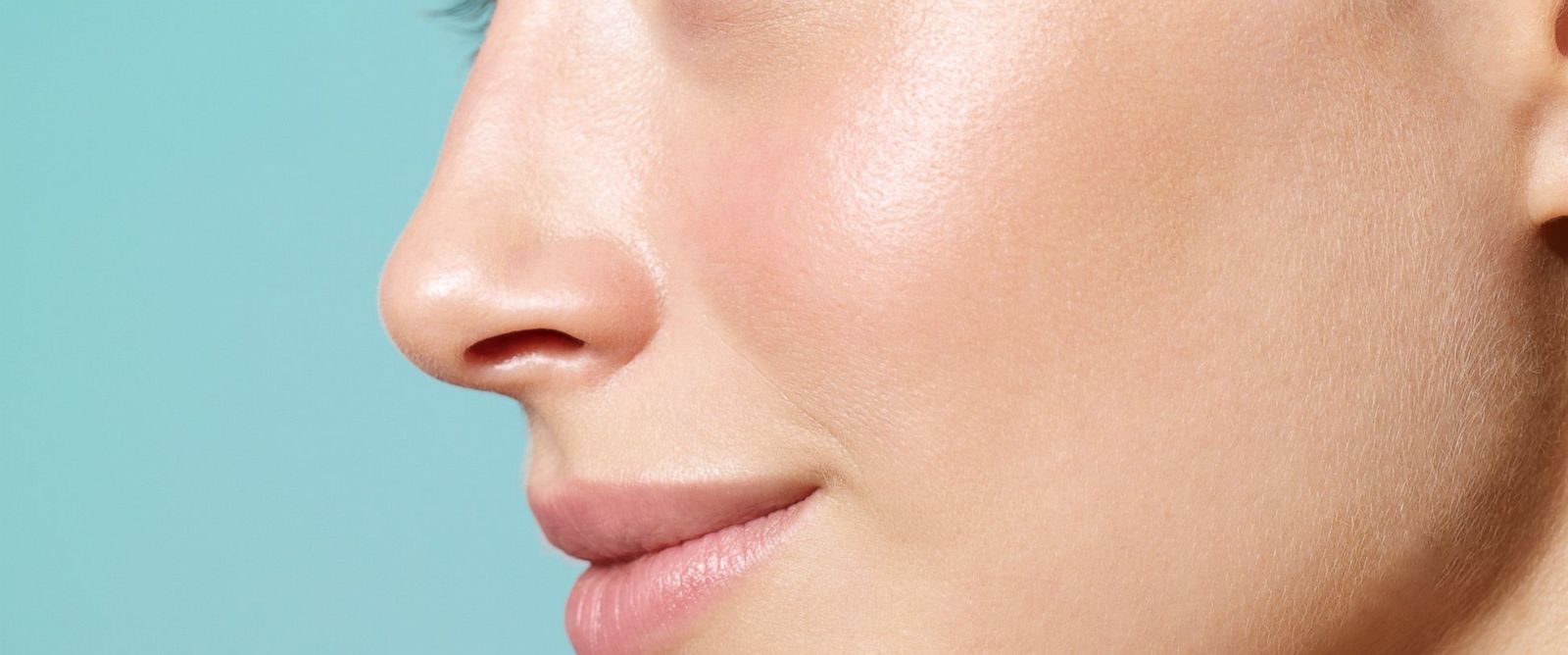
Unlike other organs that work in the warm and humid comfort of the body’s internal environment, the skin is located on the border of the external and internal environment. This means that one part of it is turned inside the body (and enjoys all the advantages of this location), while the other is experiencing all the vicissitudes of existence in the outside world. At the same time, the skin has to solve two main tasks — to protect itself from the effects of the external environment (including the part that faces inside the body), and at the same time to cover all other organs like a shield. In addition, the skin has many other functions that it manages to perform: control the evaporation of moisture from the body, keep warm and prevent overheating, feel, participate in the transmission of “electric currents of love”, withstand shocks and sprains, remove some harmful substances from the body, etc. It would seem that everything is expected from such a working organ of beauty. it’s like demanding that a mother with many children, employed in two jobs, look like a fashion model. However, the skin very often (at least in young creatures) manages to be beautiful, attracting the eyes and igniting the hearts. How does she cope with her tasks?
Existence on the border of two worlds: the cozy, warm and calm inner world of the body and the constantly changing, harsh and unfriendly world of the external environment is possible due to the fact that the skin, like Napoleon cake, consists of several layers. The uppermost layer is formed by dead cells, which are renewed as they wear out. Note that it is this layer — it is called the horny layer — that is the main point of impact for cosmetics. Most cosmetics cannot penetrate beyond the stratum corneum, and according to some cosmetology lawmakers, they should not do so. However, the limited area of action of the stratum corneum does not detract from the role of cosmetics. First of all, because when we look at the skin, we see exactly the stratum corneum, and the appearance of the skin largely depends on it. And, in addition, it is the stratum corneum that is responsible for the barrier properties of the skin. Removal or damage to the stratum corneum dramatically increases the skin’s permeability to irritants, microorganisms, and water.
The stratum corneum is so important that a special layer of skin, the epidermis, is working on its creation (in many textbooks, the stratum corneum is considered as part of the epidermis, but in cosmetology everything is different: here the epidermis and the stratum corneum are two different worlds). The epidermis consists mainly of one type of cell, keratinocytes, which are at different stages of maturation, but it also contains other cells (melanocytes, Langerhans cells, lymphocytes, etc.). The epidermis of an adult has an area of about 1.5—2 m2 and weighs about 0.5 kg.
The youngest keratinocytes sit in a row on a special structure, somewhat resembling a fibrous mat, which is called the basement membrane. The rate of skin renewal depends on how intensively the cells sitting on the membrane divide. The pigment—producing cells (melanocytes) are also located here, and the process cells responsible for recognizing foreign substances and microorganisms and performing many other important functions, Langerhans cells, are located a little higher. As they age, keratinocytes detach from the membrane and move upward to the surface of the skin. Moreover, this process is organized so well that the cells move upward in a single layer, “shoulder to shoulder.” As they move upward, keratinocytes accumulate protein (keratogyalin). Eventually, there is so much protein that the cell turns first into a bag filled with granules, and then into a rigid plate that bears little resemblance to a living cell. Of such plates (horny scales) and the stratum corneum consists of it. The scales fit snugly to each other, connecting with special outgrowths on the shell. That is why large protein molecules cannot penetrate through the intact stratum corneum, and the penetration of other molecules is fraught with significant difficulties.
Under the epidermis is the dermis, which contains blood and lymphatic vessels that nourish the skin. The epidermis is devoid of blood vessels and is completely dependent on the dermis. The boundary of the epidermis and dermis (and at the same time the boundary of the outer and inner parts of the skin) is the basement membrane, the same “fibrous mat” on which the young cells of the epidermis live.
The dermis is essential for the appearance of the skin. First of all, it contains fibers that are responsible for the elasticity and firmness of the skin — collagen and elastin. If the young skin is stretched (and it requires considerable effort), it will return to the same state it was in before stretching. As the fibers wear out, it becomes easier to stretch the skin, and the return to its previous state occurs more slowly. The dermis also contains substances that, like a sponge, retain moisture in it. We can say that the dermis is a water—spring mattress for the epidermis. The condition of the dermis, its elasticity and resistance to mechanical stress are determined both by the state of the “springs” — collagen and elastin fibers, and by the quality of the aqueous gel formed by special molecules — glycosaminoglycans. If the “mattress” is out of order — the springs are loose or the gel does not hold moisture — the skin begins to sag under the influence of gravity, shift and stretch during sleep, laughter and crying, wrinkle and lose elasticity. In young skin, both elastic fibers and water-saving gel are constantly being renewed. With age, renewal is slower and slower, damaged fibers accumulate, and the amount of gel is steadily decreasing.
Thus, although the dermis is not visible from the outside, the condition of its structures determines whether the skin will be elastic or flaccid, smooth or wrinkled. Even the skin color depends on the condition of the dermis, as the blood vessels of the dermis provide the skin with the pink light of youth, which fades in old age, and with a decrease in the thickness of the dermis, the skin acquires an unhealthy yellowish color.
Subcutaneous fatty tissue is located under the dermis. Normally, it wraps around the body like a soft blanket, protecting the internal organs from shocks and concussions, saving heat. Although adipose tissue is located even further from the surface of the skin than the dermis, it is no less important from an aesthetic point of view. Not too thick, but sufficiently developed fatty tissue gives the shapes roundness, and the skin freshness and smoothness. Any violations of the quality of adipose tissue — accumulation of excess fat or, conversely, emaciation, swelling, inflammation, etc. — they have a catastrophic effect on appearance.
All we have just talked about is the general outline of the skin structure, without small details. However, some skin structures deserve to be described in more detail. First of all, these are the glands.
If you run your finger over the skin, you can more or less feel the greasy film that covers the skin. For some people, it is almost imperceptible, but for others it is very abundant. In hot weather or during physical exercise, moisture appears on the skin and the oiliness of the skin increases. Thus, you don’t need to be a biologist to notice that our skin is constantly secreting something. This happens as a result of the activity of two main types of skin glands — sebaceous and sweat glands.
The structure of the sebaceous gland can be imagined if you mentally press your finger on the skin and make a depression in it that reaches the dermis. Then the walls of the resulting fossa will be lined with epidermis. The sebaceous gland wall really resembles the epidermis. It has an embryonic layer in which continuous cell reproduction takes place, and the uppermost layer, just like in the epidermis, is the site of cell death. Only all this happens not on the surface of the skin, but in the duct of the sebaceous gland. As it moves towards its death, the sebaceous gland cell accumulates a fatty secret that consists of hard, refractory fats. When the cell collapses, its contents spill out into the lumen of the sebaceous gland. Thus, the secret of the sebaceous glands consists of sebum and destroyed sebaceous gland cells. And of course, sebaceous glands also affect the appearance of the skin. If they function moderately, only slightly lubricating the top layer, then the skin looks smooth and has a healthy shine. With an excess of sebum, the skin acquires a greasy sheen, looks unclean, and the enlarged ducts of the sebaceous glands give it the appearance of an orange peel. The lack of sebum leads to the fact that the horny scales do not lie flat, but stick out. Such skin looks dry, dull and rough. Most sebaceous glands are located at the base of the hair follicles and are an important part of it.
As for the sweat glands, they sometimes cause so much trouble for women that many wish they didn’t exist at all. Oh, this sweat that spoils clothes and emits an unpleasant smell, oh, these smudges on carefully applied makeup in hot weather! Nevertheless, the sweat glands have important tasks assigned to them — thermoregulation (some alternatives to sweat glands known in the animal kingdom, such as a wet protruding tongue, large pink ears or leathery growths on various parts of the body, look much less comfortable) and partly the excretion of certain metabolic products. Under the microscope, the sweat glands look like tubes curled into balls deep in the dermis and stretching through the entire skin to its very surface.
There are two types of sweat glands in the skin — ordinary, which secrete an almost odorless slightly salted liquid, and apocrine, which develop during puberty and are primarily responsible for the smell of sweat. The apocrine glands are located only in the armpits, a little on the forehead and in the genital area. In the armpits, their secret mixes with the secret of sweat, which helps to enhance the smell, especially if bacteria settle in the sweat glands. There is a positive side to this — you do not need to apply deodorant all over your body, just treat the armpit area. It would seem that sweat glands have a slight effect on the appearance of the skin. However, they do, and how! It is sweat that makes up the bulk of the so—called acid mantle of the skin, an invisible coating that protects the skin from bacteria.
The surface of normal skin has an acidic reaction, and its pH (a measure of acidity) is 5.5 (neutral pH is 7.0, and blood pH is 7.4). Almost all living cells (including most bacterial ones) are very sensitive to pH changes, and even slight acidification is detrimental to them. Only the skin, covered with a layer of dead keratinized cells, can afford to put on an acidic mantle. The acid mantle of the skin is formed by a mixture of sebum and sweat, to which organic acids are added — lactic, citric and others. These acids are formed as a result of biochemical processes occurring in the epidermis. The acidic mantle of the skin is the first link of protection against microorganisms, since most microbes do not like an acidic environment. And yet there are bacteria that constantly live on the skin, for example Staphylococcus epidermidis, lactobacilli. They prefer to live in an acidic environment and even produce acids themselves, contributing to the formation of the acidic mantle of the skin. Bacteria Staphylococcus epidermidis not only does not harm the skin, but even releases toxins that have an antibiotic-like effect and inhibit the vital activity of pathogenic microflora. Frequent washing with alkaline soap can destroy the acid mantle. Then the “good” acid-loving bacteria will find themselves in unusual conditions, and the “bad” acid-sensitive bacteria will gain an advantage. Fortunately, the acid mantle of healthy skin recovers quickly enough.
The acidity of the skin is disrupted by certain skin diseases. For example, with fungal diseases, the pH increases to 6 (slightly acidic reaction), with eczema — to 6.5 (almost neutral reaction), with acne — to 7 (neutral). It should be noted that at the level of the basal layer of the epidermis, where the germ cells are located, the pH of the skin becomes equal to the pH of the blood — 7.4.
In conclusion, let’s talk a little about the nerves, blood vessels and muscles of the skin, as many cosmetic problems arise precisely because of these structures.
The muscles of the skin (facial muscles) are arranged in a very unusual way. Unlike other skeletal muscles that attach to tendons and bones, facial muscles attach to the skin itself. This means that when they move, they inevitably stretch the skin. In youth, the skin can resist stretching with a complex network of collagen fibers, but as the fibers age, they perform their tasks worse and worse, and then wrinkles appear in the places of the most active muscle movements — vertical wrinkles on the bridge of the nose and horizontal wrinkles on the forehead, nasolabial folds and wrinkles around the eyes. However, this does not mean that without muscles we would be younger and more beautiful. The movement of facial muscles creates a facial expression that largely reflects a person’s character. The muscles also keep the face toned — without them, the eyelids would droop, the corners of the lips would sag, and the face would lose all personality and resemble a mask. Since the muscles of the face need to work together, they are connected by a fibrous membrane containing nerves and blood vessels (we can say that the skin has a fibrous-muscular lining).
The vascular system of the skin is very complex. But it is necessary to say a few words about it, since many cosmetics and procedures are aimed at “stimulating blood circulation”, “toning and strengthening skin vessels”, etc. A number of cosmetic defects are of vascular origin, for example, vascular asterisks, stagnant spots after inflammation, a “red nose”, etc.
The arteries form a network under the skin, from which branches branch off leading into the skin. Directly at the border of the dermis and hypodermis (fat layer), they reconnect and form a second network. Vessels that feed the hair follicles and sweat glands leave it. The entire skin is riddled with very small vessels, which, again, often connect to each other, forming networks in each layer of the dermis. Some networks serve power purposes, while others work as heat exchange structures. The features of blood movement through all these blood labyrinths with numerous transitions between branches are still poorly understood, however, it is believed that the skin is prone to oxygen starvation due to the fact that blood can pass from arterial vessels to venous ones, bypassing the areas where it should give oxygen to cells. Perhaps the cosmetic effect of massage is partly explained by the fact that massage activates the movement of blood, forcing it to run through all the vessels, “without cutting corners”, which prevents oxygen starvation of the skin. The rate of wound healing also depends on the intensity of blood circulation. Where blood circulation is disrupted for some reason, long-lasting ulcers can form at the site of wounds. Based on this, it can be concluded that the rate of skin renewal (a process very similar to wound healing) will depend on blood circulation. The lymphatic system is closely connected to the circulatory system, the vessels of which also form networks and intricate plexuses in the skin.
An interesting question is whether the skin can remove harmful substances from the body. In foreign literature, one can sometimes find statements that the skin, unlike the kidneys and liver, is not an excretory organ and one should not expect “toxins” or “slags” to escape through it. However, there is data (the book “Skin”. — M.: Medicine, 1982 / Edited by A.M. Chernukha, E. P. Frolov), that the skin can trap and bind toxic metabolites, protecting other organs from their damaging effects, as well as remove many metabolic products from the body. Due to the extensive vascular network, the skin also participates in gas exchange, releasing carbon dioxide and absorbing oxygen (the skin provides 2% of the body’s gas exchange).
The nerves of the skin are responsible for touch, pain and temperature sensitivity, as well as control facial muscles and blood vessels. In addition, the nervous system of the skin is directly involved in the development of inflammation, and can also cause inflammation on its own. The inflammation caused by the nerves of the skin is called neurogenic inflammation, and it is often responsible for the occurrence of adverse reactions to cosmetics. The nerves that control the facial muscles are also of great cosmetic importance, as they are responsible for the appearance of facial wrinkles. One of the ways to combat wrinkles is to “disconnect” the facial nerves from the muscles (for example, by injecting botulinum toxin).
Thus, although beauty originates in the depths of the skin, skin diseases that destroy its beauty often originate there. Accordingly, many skin problems are solved only by affecting its deep layers. Nevertheless, it is possible to improve the condition of the skin without invading its depths, but acting exclusively on its surface. With the help of surface treatments, it is possible to protect the skin from harmful factors, strengthen its protective structures and even deliver the necessary substances. Exposure to the deep layers is also possible, but it is very risky and sometimes does more harm than good. Of course, surface treatments can also do harm, but the risk here is much less than with deep exposure.
Therefore, the key to the success of cosmetology is to understand what is happening deep in the skin, what processes are the cause of certain external changes and what technique will allow you to restore, preserve and enhance beauty without damaging the skin.
Source: Science and Life
Don’t miss the most important science and health updates!
Subscribe to our newsletter and get the most important news straight to your inbox