The calendar method
It is based on the fact that sex is allowed only on certain days. With the help of observations, the estimated date of ovulation is calculated. During this time, as well as a few days before and after it, sex is prohibited. Abstinence is not required on all other days. This method is one of the most unreliable. There are several reasons for this: firstly, self-determination of the day of ovulation at home is often inaccurate. Secondly, spermatozoa are able to remain viable inside the vagina for up to five days. Thus, they have every chance to live to ovulation and fertilize a mature egg.
Don’t miss the most important science and health updates!
Subscribe to our newsletter and get the most important news straight to your inbox
Interrupted sexual intercourse
It consists in removing the penis from the vagina before ejaculation occurs. Due to the fact that there may be spermatozoa in the pre-ejaculate secreted before ejaculation, as well as due to the high risk of not being able to extract the penis in time, the method is extremely unreliable and is not recommended for use.
Lactation amenorrhea
The method may be relevant only after childbirth. Ovulation does not occur in the first six months after the birth of a child, provided that the woman regularly breastfeeds. Over time, the effectiveness of the method gradually decreases. In order for the method to work, a woman must breastfeed at least three times a day.
Spermicides
Substances that destroy sperm cells. They are sold in the form of sponges, gels, tablets, foams and jellies. For reliability, it is recommended to combine spermicides with some other method of contraception (for example, with a uterine cap). They can serve as a lubricant..
Uterine cap
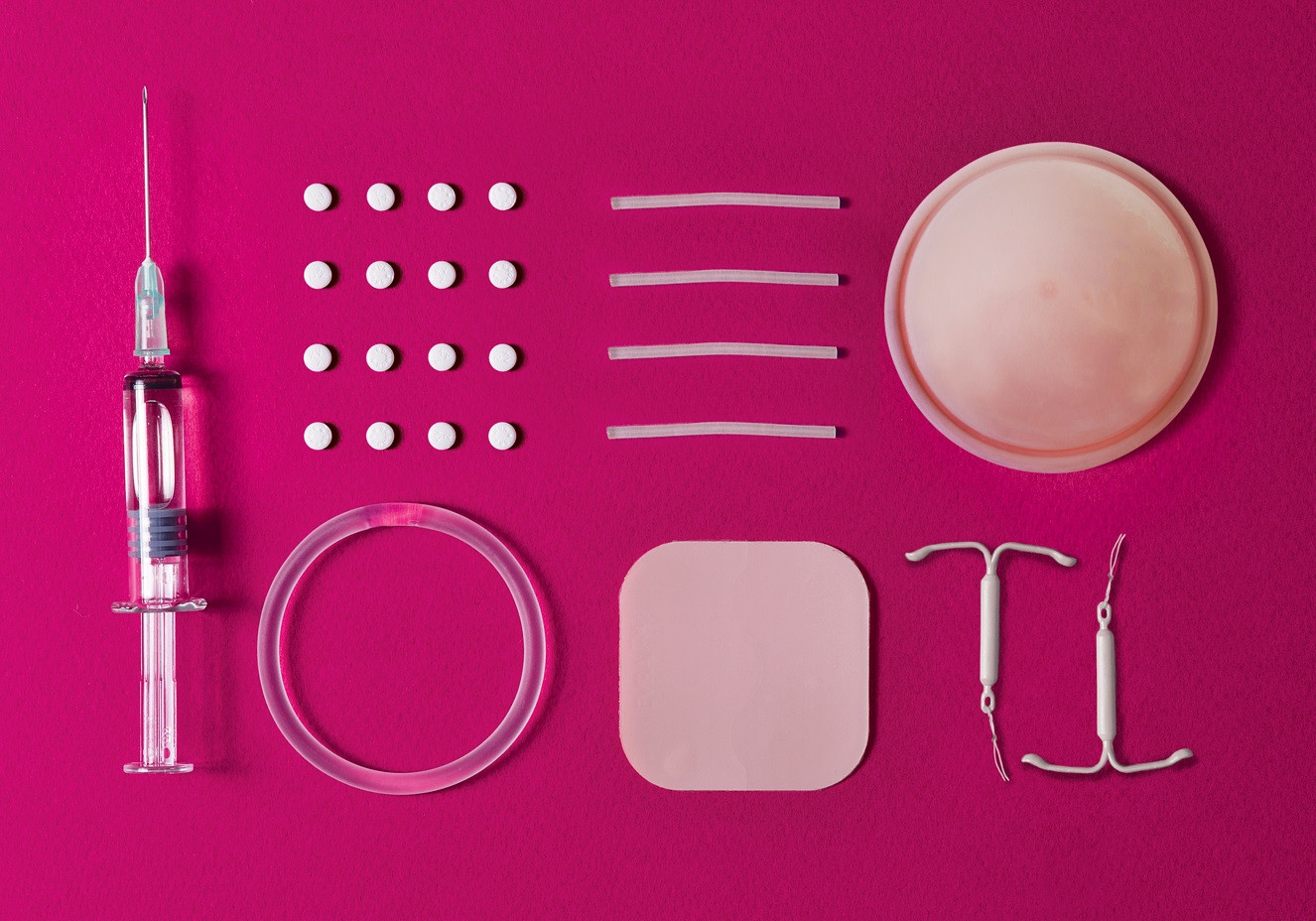
A product made of latex or silicone, worn on the surface of the cervix. The cap can be inserted independently a day or two before sexual intercourse. Wearing it inside for more than two days can be dangerous for your health. Caps come in different shapes and sizes, and it is best to select them individually, according to their physiological characteristics.
Oral contraceptives (combined or progestin)
Pills with estrogen, progestogen or progesterone. It is necessary to take them every day at the same time. Hormones affect the pituitary gland, which leads to suppression of ovulation.
Hormonal patch
A patch with hormones that enter the bloodstream through the skin. Due to this, ovulation is suppressed and conception becomes unlikely. Hormones should enter the bloodstream for twenty-one days, after which a seven-day break is provided. One patch is enough for a week, respectively, three patches will be required for one cycle.
The vaginal ring
A latex ring containing estrogen and progesterone. The ring is placed in the vagina for twenty-one days, and then removed for seven days, after which it is replaced with a new one. You don’t have to take it out during sexual intercourse, but if there is such a need, then you can remove the ring for no more than three hours. Otherwise, the contraceptive effect is reduced.
Injections
Hormonal injections containing a large amount of progestogen are performed by a doctor once every three months. This injection suppresses ovulation, changes the mucous plug in the cervix and thinns the endometrium.
The intrauterine device
A T-shaped device covered with copper. It is inserted into the uterus with the help of a gynecologist. The spiral prevents the egg from attaching to the uterine wall and makes pregnancy unlikely. Contrary to existing myths, the spiral can be used by both women who have given birth and those who have not. The spiral can remain unchanged for up to five years.
Implant
A small capsule with a progestogen, which is injected under the skin. He can stay there for three years. The implant is currently the most reliable contraceptive. As long as it remains under the skin, hormones stop ovulation. The big advantage of this method is the lack of additional preparation before sexual intercourse.
Condoms (male and female)
They are the only method of contraception that protects not only from unwanted pregnancies, but also from sexually transmitted infections. This method is called a barrier method. A condom is a bag made of latex or similar material that is placed on the penis and collects the ejaculate. There is a female equivalent that fits into the vagina, the femidome, but it is not widespread.
Photo: www.likar.info