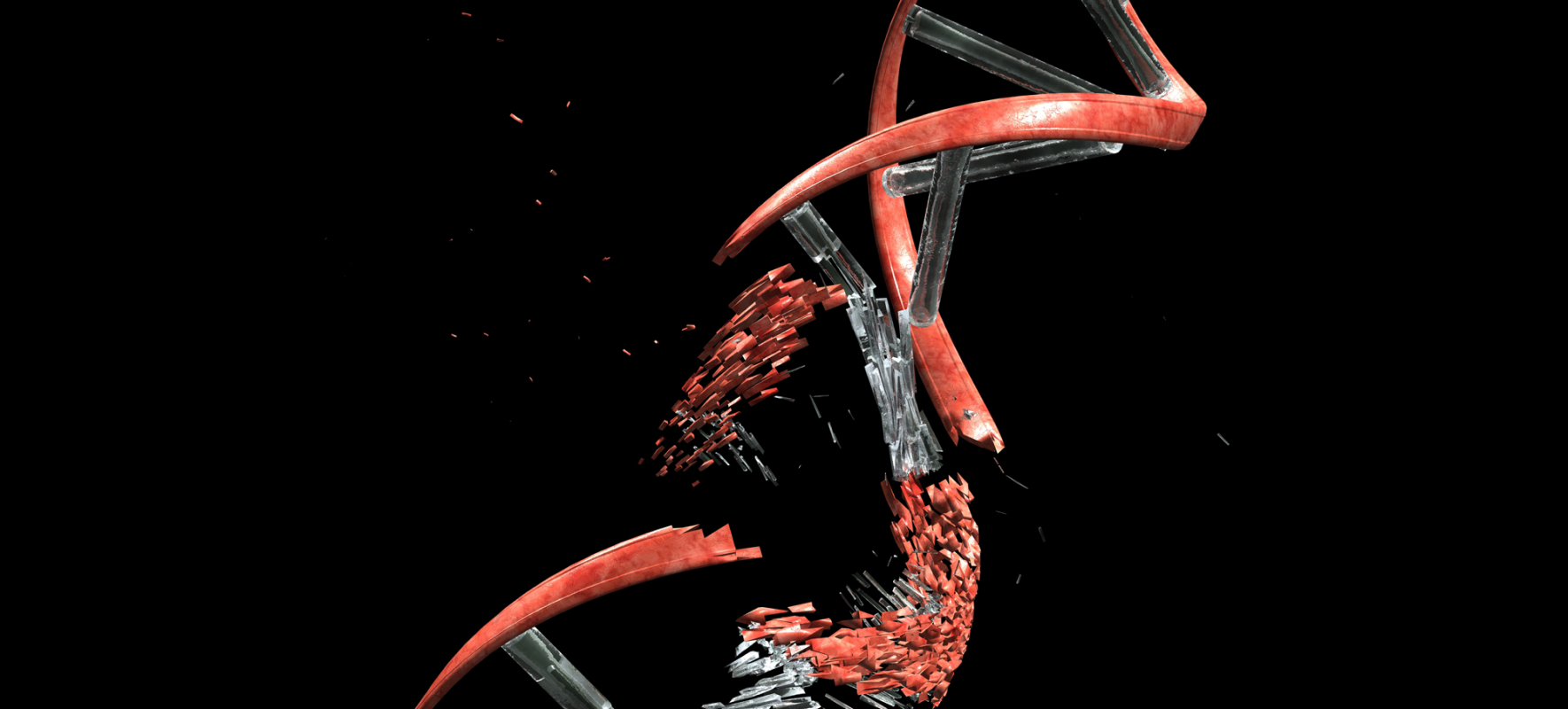
Smoking is one of the most powerful negative lifestyle factors that affects not only the whole organism, but also the activity of genes, “turning on” and “turning off” entire clusters of different genes. Epigenetic modifications can cause the development of many diseases (the most obvious are oncological and cardiovascular).
Every year there are more and more studies about how smoking affects the epigenetic state of human DNA. An international team of experts
conducted a meta-analysis of 16 papers covering data from about 16,000 people, including smokers, people who had given up a bad habit, and those who had never smoked. It turned out that smoking changes the activity of more than 7,000 genes — a third of all the genes that make up our genome. If a person has quit smoking, then most of these changes disappear within five years — they return to their original “smoking-free” appearance. But there are also areas in the DNA that, even many years after a cigarette is finally smoked, remain with a “nicotine” label.
Such marks occur, among other things, in germ cells (in the mother’s eggs and the father’s spermatozoa), so they can remain in the next generations — children and grandchildren can literally feel the bad habit of their parents. Hormones, a mother’s nutrients, and her psychological state can change the way her child’s genes work. The same thing happens with fathers: lifestyle, in particular adherence to bad habits, can affect how the molecules that “conduct” the genes of his children function. And first of all, it is the “paternal” marks that affect the child’s development,
according to scientists from Georgetown University (USA).
Numerous studies prove this. For example, specialists from Florida State University and Massachusetts General Hospital (USA) The following experiment
was conducted with laboratory mice: for 12 weeks, nicotine was added to water for males, and then they watched how this would affect their offspring in two generations. The children and grandchildren of the “smoking” mice performed worse on cognitive tests than the offspring of the “non-smokers”, they suffered from hyperactivity disorder, and their brains had significantly fewer neurotransmitters — biologically active substances with which nerve cells transmit electrochemical impulses to each other. The analysis showed that nicotine triggered an epigenetic switch so that negative changes occurred in the sperm DNA of mice, in particular in one gene associated with brain development.
This harmful habit is even more dangerous if parents start smoking at a very early age. Dr. Marcus Pembrey from the University of Bristol (UK) and his team analyzed data from almost 10,000 men and their children and found that if fathers
started smoking before the age of 11, their sons were on average fatter than the children of fathers who started smoking later. And the earlier they became hostages of smoking, the higher their sons’ body weight was.
Of course, first of all, smokers harm themselves (according to the
data According to the World Health Organization, more than eight million people die from the effects of smoking every year — tobacco users, former smokers, as well as those who have ever been exposed to secondhand smoke). However, the information received is sufficient to confirm that smoking has a negative impact on children who have not yet conceived. Maybe you should start writing on cigarette packets: “Smoking is harmful to all the children you will ever produce”?
Don’t miss the most important science and health updates!
Subscribe to our newsletter and get the most important news straight to your inbox