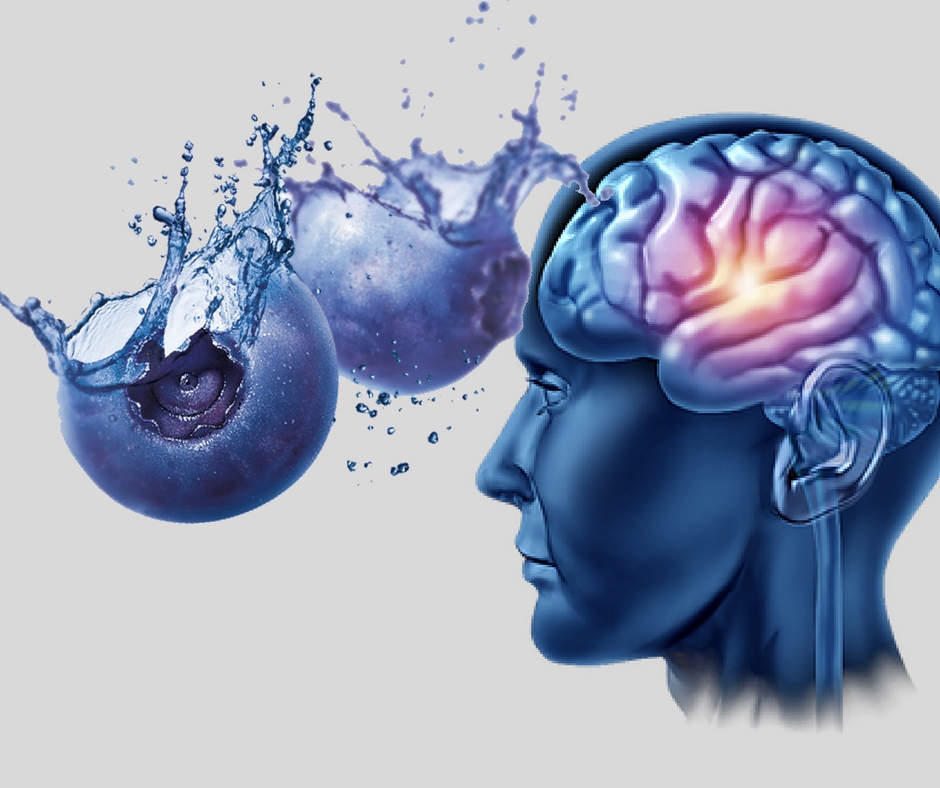
The growing brain produces many cells, and this process is called neurogenesis, but for a long time it was believed that the production of new cells occurs during development — and that’s all. This was once a key dogma of neuroscience, but in the 1960s it was questioned.: A series of experiments have shown that certain areas of the brain of rats and mice continue to produce new cells even after the end of the development period. These studies were initially neglected, but subsequent studies of song sparrows and then monkeys confirmed the results.
The discovery of adult neurogenesis is often considered the most important in modern neuroscience. There is now a widespread belief that the human brain produces new cells throughout life, a notion that has turned our views on a healthy and ailing brain upside down. Both scientists and the general public are fascinated by the idea that the adult brain can produce new cells: this gives hope for the brain’s ability to repair itself after injury or illness.
Animal studies show that physical and mental exercise can boost the growth of new brain cells, and it is now believed that this applies to humans as well. Many believe that exercise that stimulates neurogenesis can reduce the risk of age-related mental decline, as well as Alzheimer’s disease and depression. These days, this is an area of intense research, but the question of whether the adult brain produces fresh cells is still a matter of fierce debate.
From mice… Although the topic of adult neurogenesis got off to a rocky start, there is now irrefutable evidence that the rodent brain contains at least two populations of stem cells that retain the ability to produce new neurons throughout an individual’s life, and newborn cells perform important functions (see also Chapter 43 “Brain stem cells”).
One of these communities produces young neurons that migrate over short distances to the hippocampus. There, they integrate into existing neural circuits and contribute to information processing. The researchers applied genetic engineering techniques and bred mice incapable of producing new hippocampal neurons. The study of this type of mouse shows that blocking adult neurogenesis provokes severe memory disorders — the animals had difficulty creating new memories, and their orientation skills turned out to be worse than normal individuals.
Cells produced by another area of the brain traveled much longer distances to the olfactory bulb at the very front edge of the brain, where they play an important role in processing olfactory information. With the production of these new neurons cut off, mice lose the ability to form new memories of odors.
Animal experiments have also shown that the number of new cells decreases with the age of the individual. It turned out that physical exercise supports the formation of new brain cells, as well as placing animals in comfortable conditions with a large number of new subjects that can be studied and played with. Other data indicate that there are stem cells in the mouse brain that begin to divide when the brain is damaged, and the resulting immature neurons then migrate to the site of injury.
…Before monkeys and humans… Is it possible to extend this information gained from studying animals to humans? — that’s the question. It is often assumed by default that yes, it is possible, but there is little evidence of adult human neurogenesis. In the 1980s and 1990s, several groups of scientists searched for new cells in the brains of monkeys – they are more closely related to humans than rodents. These studies have yielded contradictory results: some scientists claimed to have discovered newborn neurons in the hippocampus and cortex, while others could not find anything.
Studies on adult neurogenesis in the human brain also contradict each other. In 1998, a breakthrough occurred: scientists examined the brains of five cancer patients and discovered stem cells in the hippocampus, apparently capable of dividing and producing immature neurons.
This led to the conclusion that the human hippocampus, like a mouse’s, produces new cells throughout life. It is important to note, however, that the study has not proven in any way that these new cells are functional.
Since then, several groups of researchers have isolated stem cells from various regions of the human brain and found that they can produce immature brain cells if grown in Petri dishes. Another study published in 2007 showed that the human brain contains many cells that migrate to the olfactory bulb, although it has not yet been possible to reproduce this result. Of course, subsequent work has confirmed that many neurons continue to move to the olfactory bulb in the brain of infants, but the adult brain contains much fewer migrating cells — perhaps not at all.
Overall, the research results suggest that the human brain continues to produce many new cells immediately after birth, but this process is rapidly fading. In all likelihood, there are indeed stem cells in the brain that can multiply into old age, but it is important to understand that we still do not know whether new cells are being produced in sufficient numbers to have any functional significance. In short, the question is open.
Source: Kostandi M. “50 ideas you need to know about. The human brain”
Photo: alternativehealthuniverse.com
Don’t miss the most important science and health updates!
Subscribe to our newsletter and get the most important news straight to your inbox