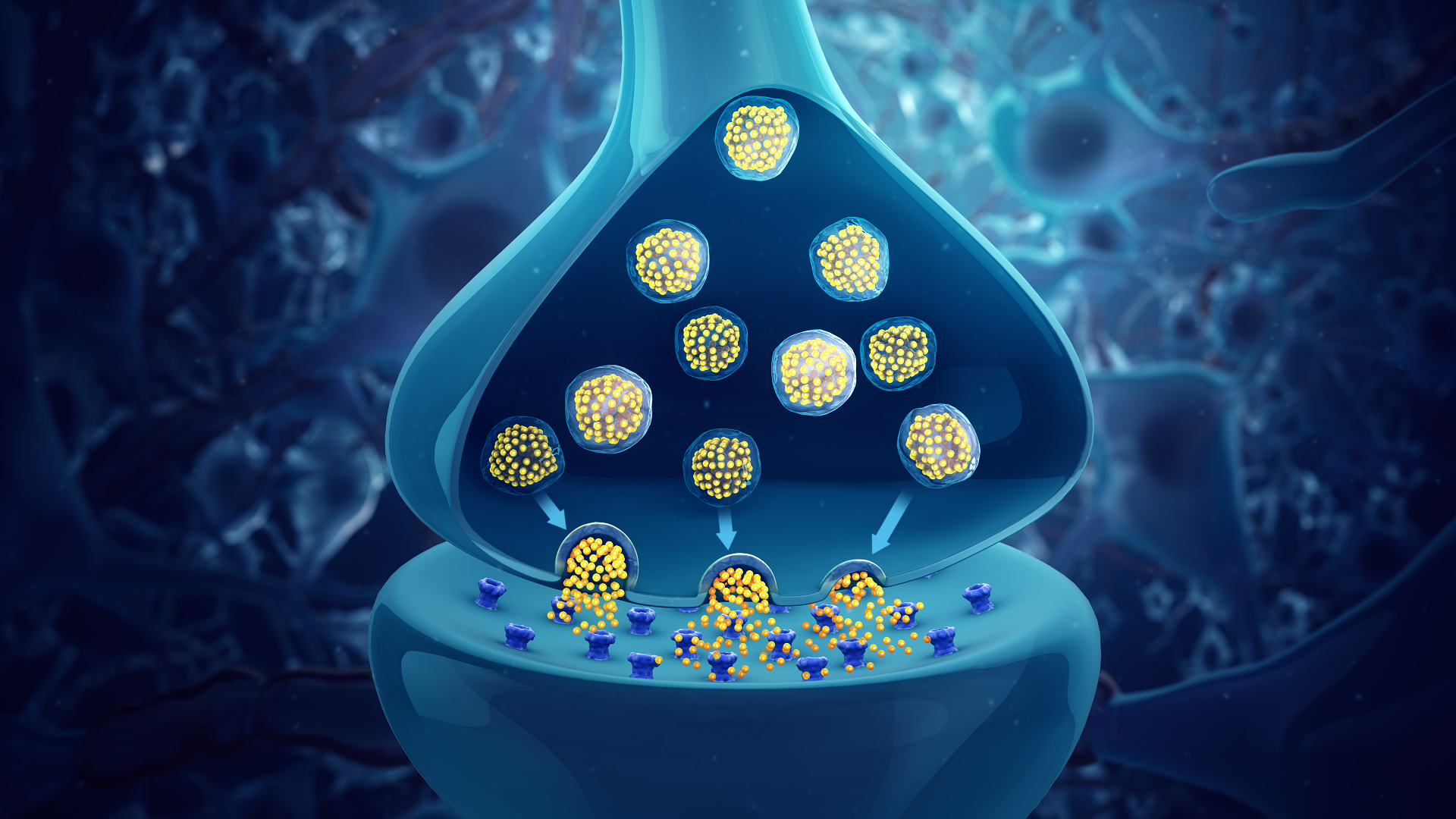
According to the effect that a neurotransmitter has on the “receiving” nerve ending, they are divided into excitatory – under their influence, the action potential increases and a new impulse is generated, and inhibitory – blocking the achievement of the action potential in the postsynaptic nerve ending. Some neurotransmitters, such as dopamine and acetylcholine, can have both stimulating and suppressive effects, depending on the type of receptors on the postsynaptic membrane. Next, we will talk about several neurotransmitters that have a powerful impact on various aspects of human life, both physiological and psychological.
Dopamine is called the neurotransmitter of winners, and scientists characterize it as one of the key factors of internal reinforcement. His education helps to remember positive experiences, for example, when a person tastes delicious food, receives praise, has sex, and achieves a goal. The release of dopamine is accompanied by a feeling of euphoria: the brain remembers this and motivates a person to re-receive positive experiences. Dopamine plays an important role in learning processes, and it is also involved in the regulation of muscle function. When dopamine production is disrupted, so-called
dopamine diseases develop: these include, first of all, Parkinson’s disease and schizophrenia.
Acetylcholine is the first neurotransmitter discovered by scientists. This substance plays a crucial role in the transmission of impulses in the autonomic nervous system, which regulates the work of internal organs. When it is released, the heart rate decreases, and digestion, on the contrary, is activated, the tone of the smooth muscles of the bronchi increases, etc. Acetylcholine, which is produced in the neurons of the brain, participates in the regulation of motor activity, as well as processes related to memory and learning. Its deficiency plays an important role in the development of neurodegenerative diseases, primarily Alzheimer’s disease.
Serotonin is one of the most important regulators of human mood. When it is released, neurons in brain regions associated with negative emotions such as resentment, disappointment, and sadness are inhibited. Therefore, serotonin deficiency is fraught with the development of depressive states, and the treatment of depression is aimed at restoring the synthesis of this neurotransmitter. Serotonin is also involved in reducing pain sensitivity, ensuring normal sleep, regulating appetite, memory, and learning.
Glutamate is the main excitatory neurotransmitter of the nervous system, and the rate of transmission of impulses between neurons and target cells depends on its presence. It plays an important role in the early stages of the formation of brain activity, regulates the processes of learning and memorization. An excess of glutamate leads to the death of nerve cells, and a deficiency leads to a decrease in brain activity and chronic fatigue. An imbalance of this neurotransmitter is observed in many neurodegenerative diseases, including Parkinson’s and Alzheimer’s diseases.