Thanatotherapy is for life, not for death

Exposing four myths about thanatotherapy.
Thanatotherapy is for life, not for death

Myth 1. It's when someone is buried alive in the ground.

“There are such beliefs, and I’ve been fighting them for many years,” says Vladimir Baskakov. – Burying, throwing off bridges is an imitation of death. And the word “thanatotherapy” itself translates as “help in restoring contact with the processes of death and dying.” This is the art of modeling these processes. It is difficult for us to come into contact with death, it is like grabbing a hot frying pan with our hand: this contact is immediately broken. Death can only be contacted if it is not recognized. Then psychological defenses are not activated. The art of thanatotherapy is to bypass defenses and open access to a special state: those who have experienced it describe it as pleasure, joy and happiness. It arises from experiencing the characteristics of one’s body that the bodies of the deceased possess: the complete disappearance of muscle clamps and tensions, the abandonment of overcontrol (which is usually carried out by our consciousness), the ability to feel one’s body as a thing, as an object. The effects that the thanatotherapist uses are minimal, it is “bodily homeopathy”, slow, smooth, soft, gentle touches.”

Don’t miss the most important science and health updates!

Subscribe to our newsletter and get the most important news straight to your inbox

Myth 2. Thanatotherapy helps only from the fear of death

Yes, it helps, but it’s not limited to that. The scope of thanatotherapy is much wider. For example, it is used in dealing with sexual problems. Many people today are very much “getting into their heads”, identifying themselves with intelligence. It is difficult for them to experience themselves through the body, and it is even more difficult for them to feel their body as an object, the object of another person’s desire. It’s scary to lose your “I”, to give up control. This is a problem for many smart women, and it causes problems with orgasm, conception, and gestation. Thanatotherapy helps them learn to let go of control, open up to their partner and their own feelings, and relieve fears. Thanatotherapy is also used in the treatment of depression, alcoholism and drug addiction, osteochondrosis, pain management, and family therapy.

Myth 3. This is a dangerous method.

Is sleep dangerous? The effect of thanatotherapy is similar to the effect of sleep. The healing power of sleep is based on the fact that at this time our body relaxes, which activates the healing structures of the unconscious and activates bodily energy. In the waking state, we usually suppress it or, on the contrary, splash it “over the edge”, and in a dream it is balanced and redistributed throughout the body. However, in modern life, we strain ourselves so much during the day that we don’t allow ourselves to relax even in our sleep, even though we really need it. There is no natural self-healing of the body, or it is not effective enough. Thanatotherapy restores the body’s ability to relax and recover using its own internal resources.

Myth 4. Thanatotherapy is a branch of body-oriented psychotherapy

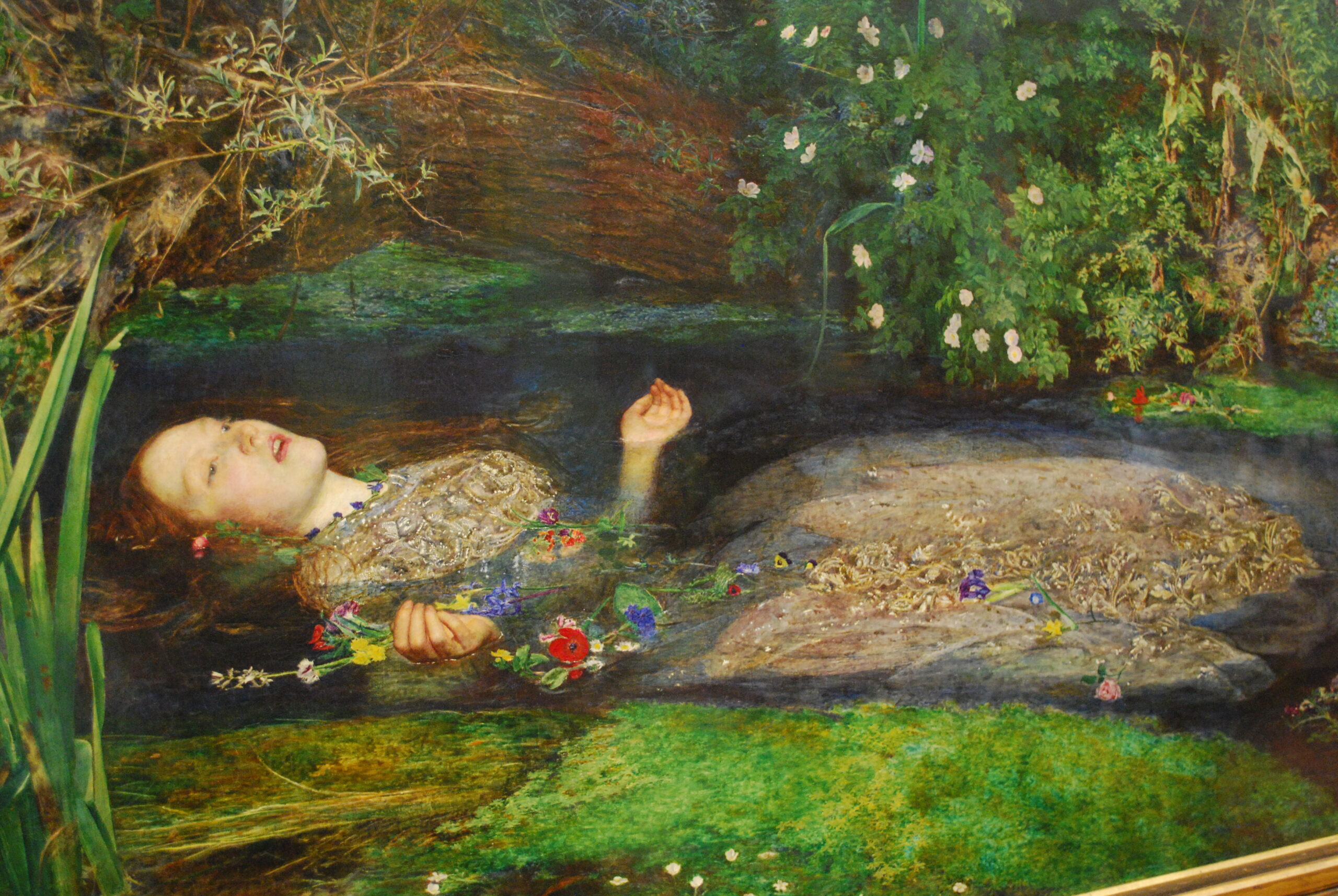
No, this is an independent method, with its own theory and practice. The main difference is the holistic approach that thanatotherapy uses. Whereas the approach of body-oriented psychotherapy is based on the so-called “problematic anatomy”, when it comes to a table of correspondences of psychological problems or diseases to certain parts of the body and internal organs. It is believed that the problems manifest themselves in the form of muscle blocks and chronic stresses, which are targeted. And a thanatotherapist affects a person (his body and psyche) as a whole, no matter which part of the body he touches. The methods of influence also differ. For example, body-oriented therapy often uses techniques that can be quite intense. Whereas most thanatotherapy techniques are based on a principle that, if reformulated by the homeopathic physician Samuel Hahnemann, may sound like this: “minimal in strength and amplitude of effects lead to maximum in strength feelings and experiences.” Their goal is to initiate internal changes that lead to healing. Source: Psychologies Photo: kultterapia.ru (John E. Millet “Ophelia”)

Published

July, 2024

Duration of reading

About 1-2 minutes

Category

Social Psychology

Share

Send us a message