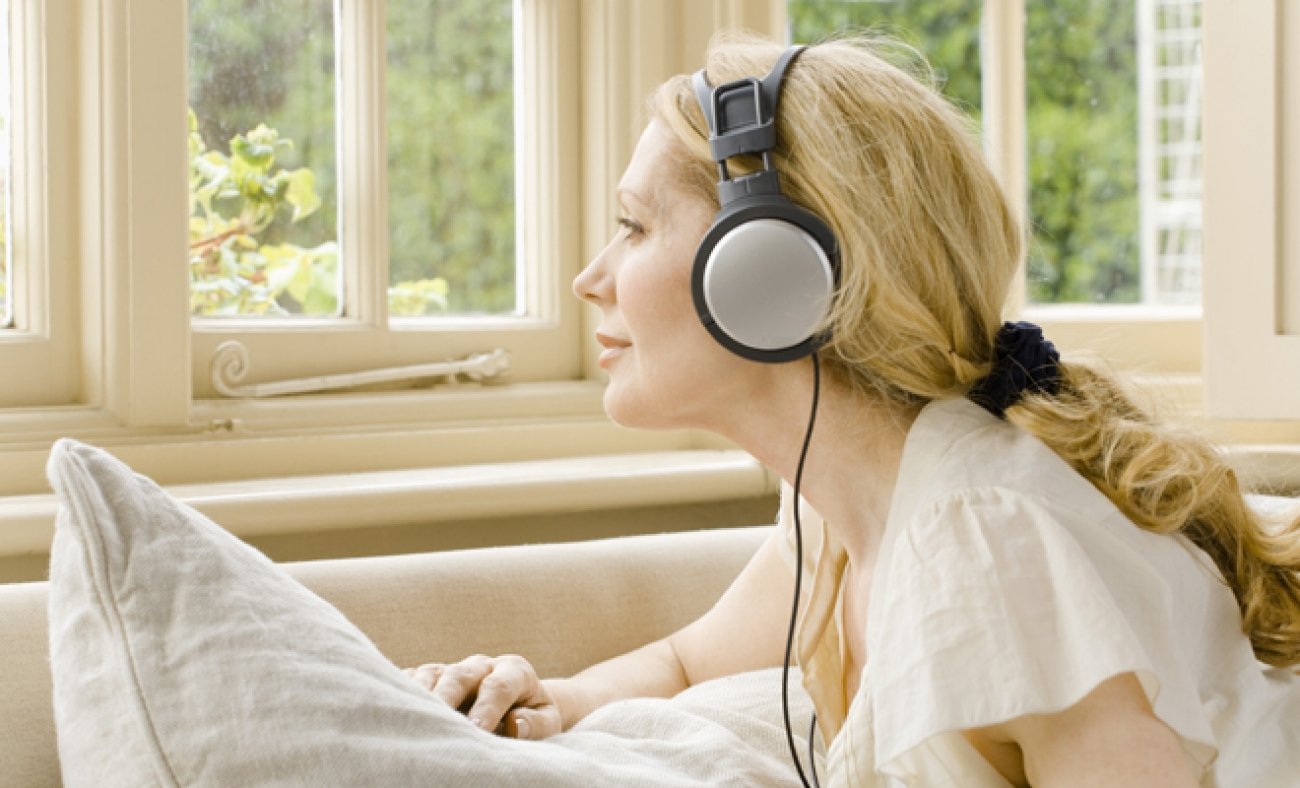
According to the definition of the World Federation of Music Therapists, music therapy is the clinical use of music to influence the human psyche and body, based on scientific research and conducted by a certified music therapist. Music therapy is a specialty at the intersection of music, psychology, medicine, and pedagogy; it is included in the list of auxiliary health professions (applied health professions).
Today, there are more than a hundred universities in the world that train music therapists. A music therapist uses music as part of a therapeutic relationship in order to effectively work on the physical, emotional, communicative, cognitive, and social needs of clients. Music therapists work in hospitals, hospices, schools, early development centers, correctional institutions, and nursing homes in many European countries, the United States, Australia, China, and Japan.
In Canada, approximately 65% of music therapists work with the visually impaired elderly. In a review of special care facilities, staff evaluated the effectiveness of various interventions. Music therapy was considered as the best intervention for the elderly (Gutman, p. 49). Music can serve as a means of communication in cases where the function of speech becomes very complex or completely lost. In this context, speech is a relatively new brain function in human history, whereas music is a pre-speech and intercultural function. It is known that music is processed by different parts of the brain, and elements of music such as rhythm, timbre, and melody are processed in different ways. Emotions are also associated with music, thereby activating the limbic system. Oliver Sacks, a neurologist and promoter of music therapy, said that we listen to music with all our parts of the brain. Arousal occurs in the brainstem and auditory cortex (primary and secondary), in the basal ganglia and the cerebellum. When music is received and processed at the level of the brain stem, it is perceived as the basic and primitive sound for humans. This is why, as Sachs says, people with profound dementia respond to music anyway (Frohnmayer, p. 27).
Music therapist Alicia Ann Claire identifies four main advantages of music therapy for patients with advanced dementia:
- changes in facial expression and tension
- increased eye contact
- vocal activity
- physical movement (Clair, pp. 81-82)
In a small study (Norberg et al, 1986), music was the only stimulus that could elicit a response from those in the final stages of Alzheimer’s disease. They measured responses through measures of heart rate, breathing, eye blinking, and mouth movement (Dawson et al., p. 62). Aldridge also provides evidence that music therapy is important for improving the quality of life of people with Alzheimer’s disease. A sense of belonging and acceptance by others can be conveyed through music (Aldridge 1994, p. 275).
Music also has access to various parts of the brain (especially the right hemisphere and the limbic system) due to many elements related to music, such as rhythm, melody, tonality, timbre, accent, etc. Speech is a function primarily of one hemisphere. Thus, the combination of speech and music, as in a song, offers “… a greater chance to activate intact neural pathways instead of using only speech” (O’Callaghan, p. 53). There is a study that confirms the fact that patients with Alzheimer’s disease are able to maintain musical perception (Gerdner and Swanson, p. 285). I call the ability to remember music, when many other abilities and memories seem inaccessible, “musical memory.” I see this when a patient remembers all the words in a song, but rarely speaks or cannot put together a joint sentence. I see this when we sing a song, and five minutes later the patient is still humming it. This is what makes music “… a powerful catalyst for memories …” (Gerdner and Swanson, p. 285).
On September 18, 1992, the U.S. Senate approved the Music Therapy for Older Americans Act. It included provisions for funding music therapy with the elderly, recognizing the benefits of music. The law calls for “the use of musical or rhythmic interventions specifically selected by a music therapist to restore, maintain, or improve the social or emotional functioning, mental processing, or physical health of an elderly person (Brown University).” The adopted law helped to ensure financing, education, training and dissemination of information among citizens.
Agitation (motor restlessness, which often occurs with strong emotional arousal, accompanied by feelings of anxiety and fear) and confused thinking among people with dementia are one of the main concerns of doctors and caregivers.
In the study of the effect of individually selected music on this problem, it is observed that music has a calming effect, which in many cases was both instantaneous and observed an hour after classes. The successful outcome depends on two key factors: the degree of personal significance of music for a person and the timing of the intervention, i.e. before or after peak arousal levels (Gerdner, pp. 284-9). Similar results were obtained when using individualized music (personally significant music in a person’s biography) while bathing patients with Alzheimer’s disease. Behavioral problems and agitation decreased by an incredible 63.4% during a week of music use (Clark, pp. 10-17). In a small study comparing the effects of relaxing/classical music and favorite music on recurring episodes of unmotivated screaming in dementia patients, both styles of music were found to be significantly effective in reducing crying (Casby & Holm, p. 883). A study conducted in 1994 on severe traumatic brain injury was used as a bridge for mute patients, but its results can be transferred to those patients with dementia who are mostly or completely non-verbal. The authors noted that “… verbal, emotionally focused speech is almost always able to reach still healthy parts of a person’s [consciousness]” (Jochims, p. 8). Music therapy can facilitate contact between seemingly unresponsive people, allowing them to communicate on emotional, social, and cognitive levels. Playing simple percussion instruments is often used in therapy for the elderly as a means of rhythmically attracting attention and as a means of actively involving them in the therapeutic process (Aldridge 1996, p. 209).
Music is becoming a pleasant art for most people, which makes it a means of therapeutic value. It occupies a unique place among the arts as entertainment, so I include this entertainment in the field of spiritual necessity. From sound effects to witty lyrics, from cartoons to children’s songs, fun and humor all play an important role in our perceived enjoyment of life. Almost everyone has associations with music, and many can remember when they heard a certain music, in what situation and how they felt. In a study with severely regressed individuals with Alzheimer’s disease, the researchers found that despite the severity of dementia and a progressive decrease in participants’ activity over a fifteen-month period, the subjects were able to sit through an hour-and-a-half music session and interact with others. They described the music therapy group as “… the only time during the week when they could successfully interact with others in some acceptable way” (Clair/Bernstein, p. 299).
In Russia, work on the goals described above using elements of music therapy has been carried out since May 2018 at the Senior Group geriatric Center in Malakhovka. This is how the care assistants assess the condition of the residents of the Center, who see the elderly in a normal state and after classes with a music therapist: “People become a little more lively after classes, they respond faster to our requests and actions, for example, a request to move, go to the table”, “They become more lively”, “… as if more mobile, less constrained body”, “Joyful, contented”. It is noted that several residents who periodically sing or actively intone in music therapy classes are residents with minimal or no use of speech at all.
It is important to summarize some of the evidence-based findings on the success of music therapy in the elderly. These general findings are important for the development of music therapy interventions for people with dementia.
Summary of results
Music that is familiar to the patient may elicit a more positive response than unfamiliar music. It can be assumed that if the “territory is familiar”, something is known, then it provides more comfort than something alien. Familiar music is predictable and, thus, reassuring, calming, becomes something known and understandable in a setting that probably seems unknown (for example, a geriatric center – approx.the author) after living in his own home. Unfamiliar music may be less successful because it requires processing and analysis by the brain. When someone listens to new music (especially a musician), the brain usually analyzes the instrumentation, evaluates the overall quality, searches for a melody, interprets words, etc. These are skills that an Alzheimer’s patient probably no longer knows at all or knows at a minimal level.
Research has shown that people tend to breathe more deeply while listening to the music they love (Winter, p. 42). Of course, what one person finds relaxing or enjoyable, others may not like at all. Musical taste is very individual. Despite all the best intentions of the music therapist to prescribe a particularly soothing tape, the fact is that the patient may prefer to listen and respond better to something completely alien, for example, in our country. Numerous studies are looking for a definitive answer that will provide this formula for healing music. Although certain elements and factors may contribute to this, the fact remains that other variables come into play.
Although the music may be familiar, it is also necessary to determine what the patient’s history and associations with this music are. An unexpected song (for example, Soviet military songs – approx. translator) may be a trigger for emotional distress. Of course, in individual sessions with music therapists, this is solved by changing the musical repertoire or making an individual playlist. Working with an agitated, confused 65-year-old man, Australian music therapist Judy Cooper made him a cassette of two songs that were repeated over and over again. These were two of the most significant songs in his life. The reaction consisted of relaxation and focused attention and listening (Cooper, pp. 22-23). Naturally, such a tape can include several songs.
Finally, it is necessary to determine, based on the objectives of the lessons, how different musical elements are used: harmony, tempo, rhythm, melodies, timbre, musical instruments, etc. (Maranto, pp. 157-158). Music with a slow rhythmic tempo can be relaxing. Music that evokes feelings of love and tenderness can also create similar effects known as parasympathetic arousal. Conversely, faster, more complex music can be exciting. The autonomic nervous system is sensitive to tonality. A high pitch (the “distance” between sounds) usually causes tension, while a low pitch, on the contrary, is more resonant and relaxing. Volume and timbre, too loud or too soft, can be annoying. As mentioned earlier, the listener’s personality comes into play as a variable: age, intelligence, ethnicity, environment, economy, religion, education, and other personal factors. If the music is familiar and enjoyable, it will have a greater effect (Cook pp. 24-25). At one facility, I started a program where I calmly played the piano in the background while the residents of the nursing home had breakfast. I always started and ended by singing “what a beautiful morning” as a kind of orientation towards reality, and because the song creates a pleasant mood. Residents (and employees too!) They were clearly more animated, smiling more. Some sang the song that was being played, and many stayed at breakfast much longer than usual. The staff commented on how the background piano music created a good atmosphere for everyone. A Swedish study that tested different types of music as a stimulus found that melodic and relaxing music, romantic music, music using stringed instruments, as well as music with alternating tempos and loudness, were most successful in holding the attention of older people longer while they ate (Ragneskog 1996, pp. 265-268).
Music therapy is certainly a dynamic approach to caring for people with dementia.
Source