Microbiome and aging
The human microbiome consists of billions of friendly bacteria, on which the preservation of health and the maintenance of youthfulness of the body depend. In recent years, many studies have shown that the quantitative and qualitative composition of the microbiota changes over the years – these transformations underlie the development of many age-related disorders, including diabetes mellitus and Alzheimer’s disease.
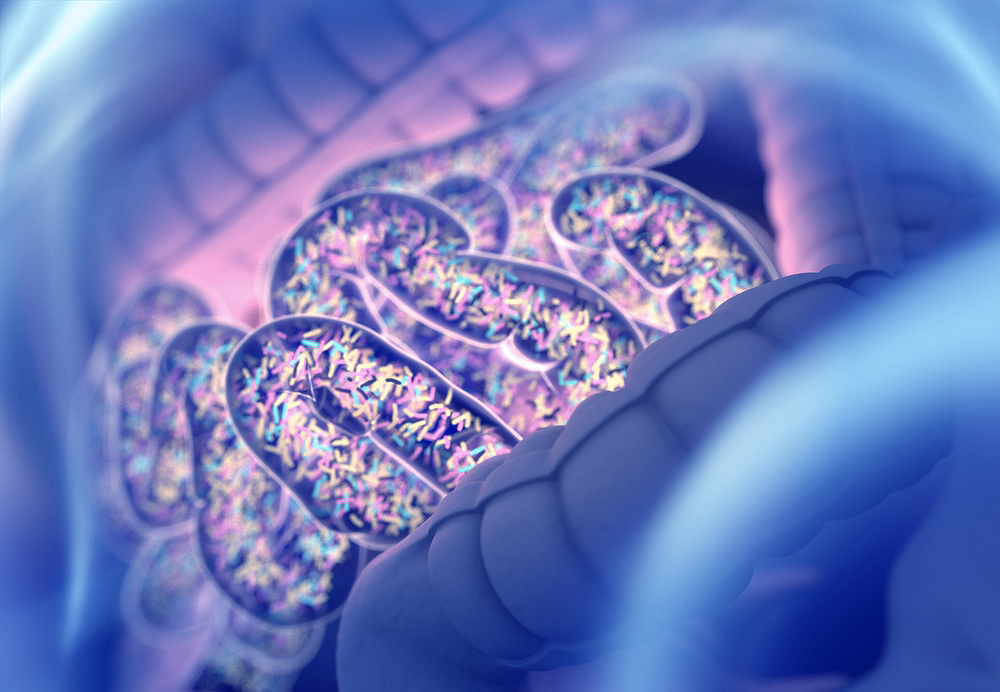
The composition of the human microbiome changes throughout life, but the most noticeable fluctuations are observed in infancy and old age. These same periods are characterized by the greatest vulnerability of the immune system to various pathogens. Therefore, scientists assume that the processes of formation and aging of the microbiota go hand in hand with the flourishing and withering of protective mechanisms and human health in general.
Today, experts increasingly view humans as a “superorganism” whose health depends not only on information encrypted in their own DNA, but also on billions of microbial genes. Modern researchers are focusing on uncovering the mechanisms by which the microbiome affects the maintenance of the functions of various organs, as well as determining the role of the microbiota in the occurrence of age–related diseases.
Don’t miss the most important science and health updates!
Subscribe to our newsletter and get the most important news straight to your inbox
Causes of age-related changes in the human microbiome
Many diseases that appear in humans with age are the result of “errors” in lifestyle: in younger years, their development was “restrained” by compensatory mechanisms. Changes in the composition of the microbiome are no exception. Throughout life, the sensitive biofilm in the intestine is constantly exposed to adverse factors. Among them:
- eating with an excess of refined foods, sweets, fast food, etc. with a deficiency of coarse dietary fibers necessary for the reproduction of bacteria;
- antibiotic treatment: as a rule, modern elderly people have at least one dozen courses of antibacterial therapy.;
- stresses that have a depressing effect on the microbiome;
- previous illnesses, including infectious intestinal lesions;
- unfavorable ecology.
In addition, with age, the problems caused by aging also join the already accumulated “breakdowns”.:
- food processing worsens due to tooth loss and decreased masticatory muscle tone. The inability to chew food efficiently impoverishes the diet, so the deficiency of dietary fiber necessary for bacteria is progressing.;
- the activity of the digestive glands decreases, which leads to a lack of enzymes and a deterioration in the digestion of food.;
- inflammatory processes in the gastrointestinal tract are more likely to develop: the probability of detecting the bacterium Helicobacter pylori in the elderly, which causes gastritis and ulcers, is much higher than at a young age;
- due to the deterioration of nervous and hormonal regulation, decreased muscle tone of the intestinal wall increases the tendency to develop constipation. Stagnation in the intestine leads to the accumulation of digestive byproducts, creating conditions for the reproduction of pathogenic microbes, which leads to inflammation.;
- taking a large number of medications, many of which affect bowel function: for example, popular heart medications and antidepressants often cause constipation. In addition, due to the weakening of the immune system, cases when antibiotics are needed become more frequent.
All these negative factors – both “accumulated” during life and those that have arisen due to age-related changes – inevitably affect the microbial well-being in the intestine, “shifting” the delicate balance of forces towards weakening protective mechanisms. This creates conditions for the development of adverse changes that affect not only the functioning of the intestine, but also the condition of all body systems.
How does the composition of the microbiome change with age?
American biotechnologists conducted a study in which they studied over 3,500 samples of the intestinal microbiome obtained from 1,165 people from three age groups: 20-39 years old, 40-59 years old and 60-90 years old. The microbial composition was analyzed using a special computer program capable of recognizing 95 of the most common representatives of the intestinal microbiome.
The program also received information about the age of the person who provided a specific sample, thus forming an algorithm that could identify the relationship between the composition of the microbiota and the age of the person. At the last stage of the study, the program was tasked with “guessing” a person’s age based on the microbial composition of a biological sample.
The scientists compared the results of the program with the actual age of the participants: the margin of error was no more than four years. This proved that the intestinal microbiome can be considered as a marker of a person’s biological age. The researchers note that of the 95 types of microbes that the program “identified”, only 39 turned out to be significant for predicting a person’s age.
Some microbes have become more numerous, for example, the bacteria Eubacterium hallii, which play an important role in metabolic processes in the intestine. The number of other representatives of the microbiome has decreased, for example, Bacteroides vulgatus, which are important in the process of fiber digestion and in the nutrition of intestinal mucosa cells that block inflammation.
The age-related transformation of the microbiome was also studied in a study conducted at the University of Bologna (Italy). Here, scientists found themselves looking not only at middle-aged and elderly people, but also at centenarians aged 100 years or more. The microbiome was analyzed not in biological samples, but in the intestines of a living person. The participants of the experiment swallowed microchips capable of carrying out genetic analysis of microorganisms.
It turned out that the composition of the intestinal microbiota in middle-aged and elderly people has few differences, but as a person approaches the age-old milestone, the microbial landscape changes. Thus, there is an increase in the number of conditionally pathogenic microbes, which in small quantities are not dangerous and help to keep the immune system in good shape, and when the concentration increases, they can cause inflammation in the intestines and other organs. At the same time, the number of Faecalibacterium prausnitzii, symbiont bacteria that actively produce valuable fatty acids necessary for the normal functioning of the intestine and the prevention of inflammation, is decreasing.
The “bacterial label” of centenarians turned out to be the microbe Eubacterium limosum: in people who crossed the 100-year mark, its content was increased by 10 or more times compared with younger participants. Eubacterium limosum participates in the formation of fatty acids and protects the intestine from inflammation. It is known that the number of these microbes increases when a person consumes a lot of plant foods. To date, it remains unclear whether the increase in the number of Eubacterium limosum is one of the reasons for people’s long lives or a natural consequence of a healthy lifestyle, including a healthy diet, which serve as the main prerequisite for longevity.
How does the function of the microbiome change as we age?
The intestinal microbiome is called a virtual organ: microorganisms scattered throughout the digestive tract come together in associations that perform a wide range of functions and affect the functioning of the macroorganism. Accordingly, quantitative and qualitative changes in the microbiota that occur with age affect the functions of this virtual organ. What aspects of our interaction with symbiont bacteria are affected by age?
In order to find the answer to this question, Italian scientists analyzed the genome of bacteria that predominate in the intestines of elderly people: studying the activity of certain DNA regions allows us to get an idea of the behavior and functions of representatives of the microbiota in the intestine. And comparing the data obtained with the result of a genetic analysis of the microbiome of young people makes it possible to identify trends occurring in the intestinal microworld as we age. The researchers were able to identify 116 microbial genes, the change in activity of which is associated with the processes occurring in the intestine in the second half of life.
The table shows the main “age-related” transformations of the microbiome and the changes in the body to which they lead.
| Changes in the microbiome that occur as we age | Effects on the body |
| Reduction of sugar-lytic activity, that is, the ability to break down carbohydrates. | The absorption of fiber-rich foods worsens, and dietary fiber deficiency develops, which is necessary for the reproduction of symbiont bacteria, intestinal motor activity, and the elimination of “bad” fats and toxins. |
| Increased proteolytic activity, that is, the ability to break down proteins. | The breakdown of proteins in the intestine is activated: putrefaction processes begin to prevail in the digestive tract.
The intake of essential amino acids, such as leucine, isoleucine, and valine, necessary for many cellular processes, muscle building, and enzyme formation, is reduced. Thus, even with sufficient intake of protein products, the body of an elderly person suffers from protein deficiency. This leads to muscle atrophy and metabolic disorders. |
| Decreased activity of genes that “program” the formation of higher (volatile) fatty acids. | The synthesis of volatile fatty acids is one of the key functions of the intestinal microbiome. It is an essential nutrient substrate for the cells of the intestinal mucosa. Fatty acids affect the entire energy metabolism in the body, both with the participation of fats and carbohydrates, and they also act as hormone–like substances that affect the functioning of the entire endocrine system.
Fatty acid deficiency caused by age-related changes in the microbiome leads to metabolic disorders, obesity, diabetes, energy deficiency, rapid aging of intestinal cells, etc. |
| Increased activity of genes involved in the metabolism of the amino acid tryptophan. | Tryptophan is destroyed in the intestine and its level in the body decreases. The amino acid tryptophan is essential for fighting inflammation. In addition, the role of tryptophan in the prevention of age-related dementia has been proven. Tryptophan deficiency leads to cognitive decline and increases the risk of developing Alzheimer’s disease. |
| Increased concentration of genes belonging to pathogenic microorganisms. | A decrease in the number of symbiont bacteria in the microbiome leads to a weakening of the protective properties of the biofilm covering the intestinal mucosa. As a result, opportunistic microorganisms begin to actively multiply, whose growth was previously suppressed by protective bacteria. Microbes become a source of inflammation, and the products of their metabolism change the intestinal environment, making it unfavorable for the work of enzymes and the reproduction of beneficial bacteria. As a result, digestive processes are disrupted, toxins accumulate in the intestine, which easily penetrate the intestinal wall, leading to chronic poisoning of the body.
|
Conclusion
Understanding what processes occur in the microbiome with age helps to develop a strategy for the prevention and correction of negative changes in the microbial landscape of the intestine. Even before the onset of an unfavorable transformation of the microbiota, measures can be taken to support the symbiont bacteria with a proper diet rich in dietary fiber, as well as the intake of probiotic products. It is also necessary to correct changes in the microbiome in old age with a diet rich in vegetables and fruits, to reduce the amount of products that cause fermentation in the intestine: these include white bread, muffins, sugar, refined cereals.
Published
July, 2024
Продолжительность чтения
About 3-4 minutes
Category
Microbiome
Share

