Angelica has attracted the attention of scientists again
Angelica (angelica root) is a traditional medicinal plant that has been used in Asia and Europe for centuries. In Chinese medicine, Angelica sinensis, “dungui,” which is often referred to as female ginseng because of its effects on hormonal and reproductive health, is particularly well known. European Angelica archangelica was used mainly for breathing, digestion and calming the nervous system. Today, angelica root is being actively studied again, and modern research confirms many of its traditional uses, although large qualitative clinical studies are not yet available.
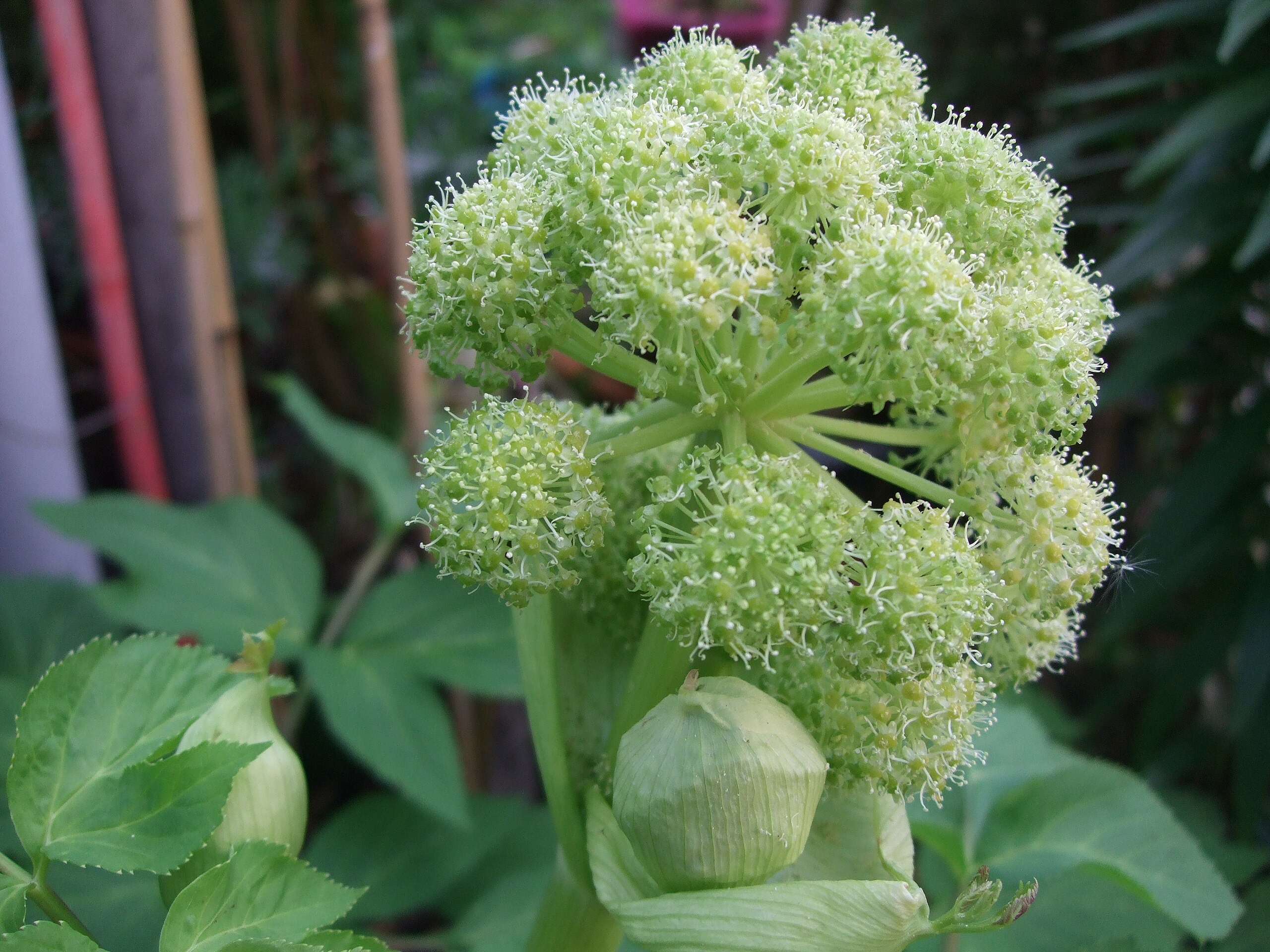
Angelica root is rich in active substances: phthalides, phenolic acids, coumarins, essential oils, polysaccharides and antioxidants. These components reduce inflammation, protect cells from damage, improve vascular health, and help the body cope with stress. In experiments, angelica extracts reduced the level of inflammatory molecules and soothed cramps, which corresponds to its traditional role in menstrual and muscle pain.
Researchers pay special attention to how angelica can support women. Its components improve microcirculation, relax smooth muscles, and can alleviate PMS symptoms. During menopause, angelica is most often used as part of multicomponent herbal preparations, where it acts in combination with other plants. Such formulas have already helped reduce hot flashes and improve sleep in small studies, although there is still insufficient evidence of the effectiveness of angelica itself as the only ingredient.
Scientists are also studying the effect of angelica on hormonal levels in polycystic ovaries. In experimental models, it improved insulin sensitivity, fat metabolism, and the state of the intestinal microflora, but there is still little evidence in humans. Another traditional direction is to support the body after childbirth: the popular formula of angelica and astragalus has a positive effect on hematopoiesis and immunity, which is consistent with its ethnomedical application.
In addition to the reproductive sphere, angelica can have a mild soothing effect. The European plant species has traditionally been used for anxiety and stress conditions, and modern laboratory data confirm its relaxing effect, although there are no controlled studies on humans yet. Neuroprotective properties have also been identified in A. sinensis, but they have been studied only in animal experiments.
Despite the potential benefits, angelica is not suitable for everyone. It can increase skin sensitivity to the sun, so after ingestion or application to the skin, it is worth avoiding ultraviolet radiation. Angelica also affects blood clotting, so it cannot be combined with anticoagulants. During pregnancy, the plant is contraindicated. People with hormone-dependent diseases need to consult a doctor.
Angelica can be used in the form of tea, tincture, capsules or as part of traditional formulas. However, experts note that there are no standardized and proven doses yet: the products differ in quality, and most of the data is obtained from small or laboratory studies. Therefore, despite the promising properties, it is better to coordinate safe and long-term use with a doctor or a phytotherapist.
Angelica root remains a promising plant that combines ancient experience and new scientific data. But, as experts emphasize, large, high-quality clinical studies are needed to confirm its effectiveness in the field of women’s health, hormonal balance and neuroprotection.
Published
November, 2025
Category
Medicine
Duration of reading
3–4 minutes
Share


Source
Scientific Journal Phytomedicine, Bio-Medical Materials and Engineering и др. Article: «What Is Angelica Root? Benefits, Nutrition, and How It Supports Women’s Health»
Don’t miss the most important science and health updates!
Subscribe to our newsletter and get the most important news straight to your inbox