Blocking the aging gene allowed cartilage to be restored in elderly mice
Researchers from Stanford Medical School have found a way to restore the properties of articular cartilage lost with age. In the experiment, injections of a substance that disables the work of the 15-PGDH protein, one of the main regulators of aging, were able to restore thin and destroyed cartilage in the knee joints of old mice. Moreover, the drug prevented the development of arthritis after injuries resembling a ruptured anterior cruciate ligament, one of the most common sports injuries.
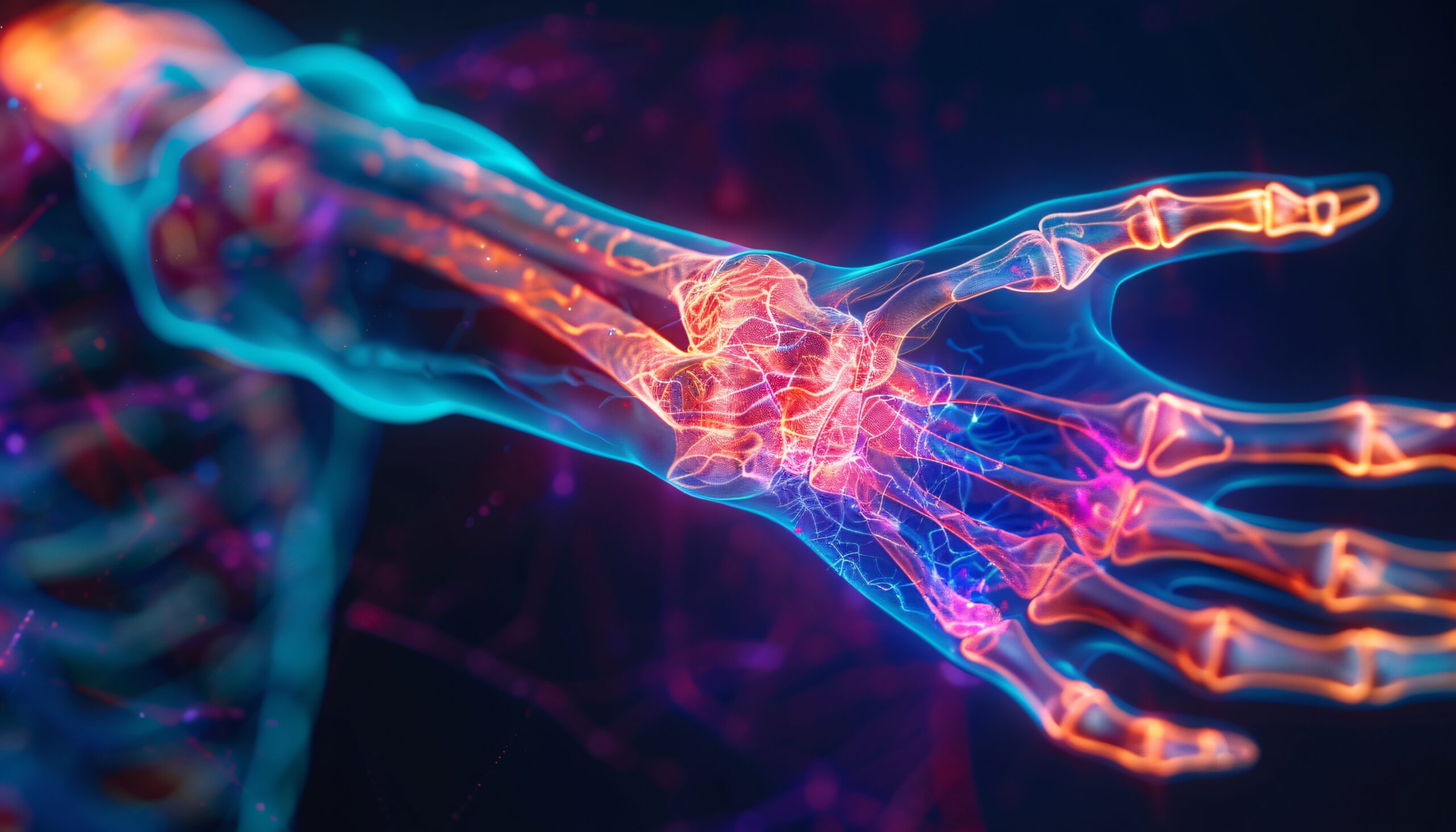
It is particularly impressive that human cartilage samples obtained during knee replacement surgeries also responded to the treatment and began to form healthy cartilage tissue again. It was hoped that people in the future would be able to restore lost cartilage with pills or injections — without the need for prosthetic joints.
Today, osteoarthritis remains a disease that cannot be stopped or reversed. Millions of people around the world suffer from pain and limited mobility, and current treatment is limited to anesthesia and surgery. Therefore, the discovery showing the real restoration of cartilage is a rare and promising step forward.
The researchers explain that the 15-PGDH protein becomes more active as it ages and disrupts tissue function. It is called gerozyme, the enzyme of aging. When it is blocked, the amount of another substance, prostaglandin E2, increases, and this, in turn, triggers recovery processes in muscles, bones, nerves, and now cartilage.
It is amazing that cartilage is restored without the involvement of stem cells. Instead, the chondrocytes themselves — cartilage cells — switch to a younger work program, change the activity of their genes and begin to produce smooth, flexible hyaline cartilage again, which provides joints with cushioning and smooth gliding.
In old joints, chondrocytes usually go into an inflammatory state, destroy collagen and trigger the process of replacing cartilage with less durable tissue. After blocking 15-PGDH, the situation changed dramatically: the cells stopped producing “harmful” genes and massively switched to a state characteristic of young tissues.
Similar results were obtained when modeling sports injuries. Mice with damage similar to a ruptured SCLC developed almost no arthritis after a course of injections, while the disease progressed rapidly in animals from the control group.
The scientists also tested the drug on cartilage removed from patients during prosthetics. Even in one week, the tissues began to reduce the level of aging genes and trigger the formation of new hyaline cartilage, a sign of real recovery.
The researchers emphasize that the drug that blocks 15-PGDH is already undergoing its first clinical trials as a remedy for age-related muscle weakness and is showing good safety results. The next step may be to investigate its effects on joints in humans.
If the approach proves its effectiveness, it could be a revolution in the treatment of osteoarthritis, a disease that has been considered irreversible for decades. Imagine that instead of replacing a joint, you can simply restore your own cartilage.
Published
November, 2025
Category
Science
Duration of reading
3–4 minutes
Share


Source
Scientific Journal Science. Article: «Inhibition of 15-hydroxy prostaglandin dehydrogenase promotes cartilage regeneration»
Don’t miss the most important science and health updates!
Subscribe to our newsletter and get the most important news straight to your inbox