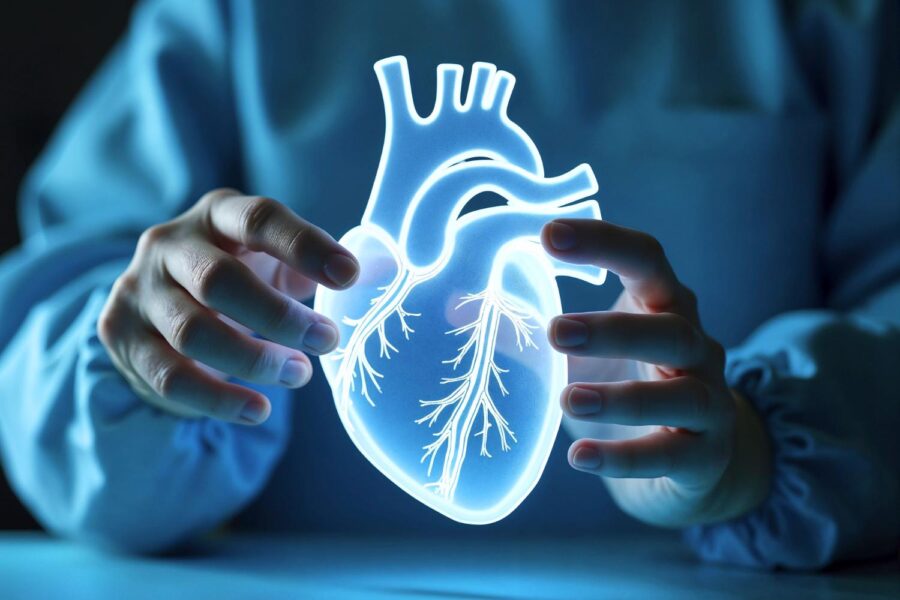
A cup of coffee a day can reduce the risk of recurrent arrhythmia
Many heart patients have been denying themselves the pleasure of drinking espresso in the morning for years, fearing that an invigorating drink will make their heart fail. Doctors have traditionally advised against caffeine to avoid heart palpitations, but this recommendation seems to be outdated. A fresh experiment by Californian doctors has turned the usual ideas upside down. It turns out that a complete rejection of coffee not only does not help, but can even harm patients undergoing the restoration of a normal rhythm. A publication in the reputable medical journal JAMA proves that moderate consumption of this drink is associated with a rarer return of the disease. Statistics have shown that coffee drinkers feel better than those who are on a strict diet.

Atrial fibrillation is the most common rhythm disorder that affects one in three people during their lifetime. For a long time, it was believed that caffeine acts as a provocateur, causing chaotic atrial contractions. However, recent data force us to reconsider this dogma.
The authors of the project from the University of California in San Francisco decided to test the myth in practice. They selected 200 patients who had recently undergone electrocardioversion (restoration of rhythm by electric discharge). Half of them were allowed to drink about one cup of coffee a day, while the other half were asked to completely eliminate any caffeinated foods.
The results of the six-month trial surprised even the skeptics. In the group where people enjoyed their favorite drink, the rhythm failure returned to only 47% of the participants. But among those who courageously abstained, 64% relapsed.
The analysis showed that coffee drinkers had a 39% lower risk of a repeat attack. Moreover, these patients were less likely to require hospitalization. It turns out that a moderate dose of caffeine can play a protective role, helping to keep the heart in the right rhythm for longer.
Experts believe that the secret lies in blocking the receptors of adenosine, a substance that can shorten the cardiac cycle and cause malfunctions. In addition, coffee has anti-inflammatory properties, which also has a beneficial effect on blood vessels.
There is also a simpler version.: People who indulge in a cup of coffee are often more physically active, which improves overall health. Those who added a lot of sugar or cream to the drink risked gaining weight, but the caffeine itself had nothing to do with it.
It is important to understand that we are talking about one cup a day, not liters of strong drink. The authors warn that the data is relevant for moderate consumption. Excessive doses can still be dangerous.
In addition, the experiment had its limitations. The patients knew which group they were in, which could affect their well-being (the placebo or nocebo effect). Also, not all participants from the abstinence group honestly followed the ban. Nevertheless, cardiologists come to the conclusion that if you like coffee and suffer from arrhythmia, one cup a day is likely to do more good than harm.
Published
January, 2026
Category
Medicine
Duration of reading
2-3 minutes
Share


Source
Scientific Journal JAMA. Article: Caffeinated Coffee Consumption or Abstinence to Reduce Atrial Fibrillation
Don’t miss the most important science and health updates!
Subscribe to our newsletter and get the most important news straight to your inbox