What are the benefits of frozen and canned fruits and vegetables?
Fruits and vegetables are a source of important vitamins, minerals, and fiber. They support overall health and reduce the risk of several diseases, including heart disease and certain types of cancer. According to the Australian Dietary Guidelines, adults should consume at least two servings of fruits and five servings of vegetables per day. This includes both frozen and canned options. For example, half a cup of frozen broccoli or canned beans counts as one serving of vegetables, while a cup of canned peaches or sliced frozen mango counts as one serving of fruits. With rising prices, many people are wondering if they can replace fresh fruits and vegetables with frozen or canned options. These products are often cheaper, have a longer shelf life, and save time in preparation, as they are often pre-cut and ready to cook. But how healthy are they?
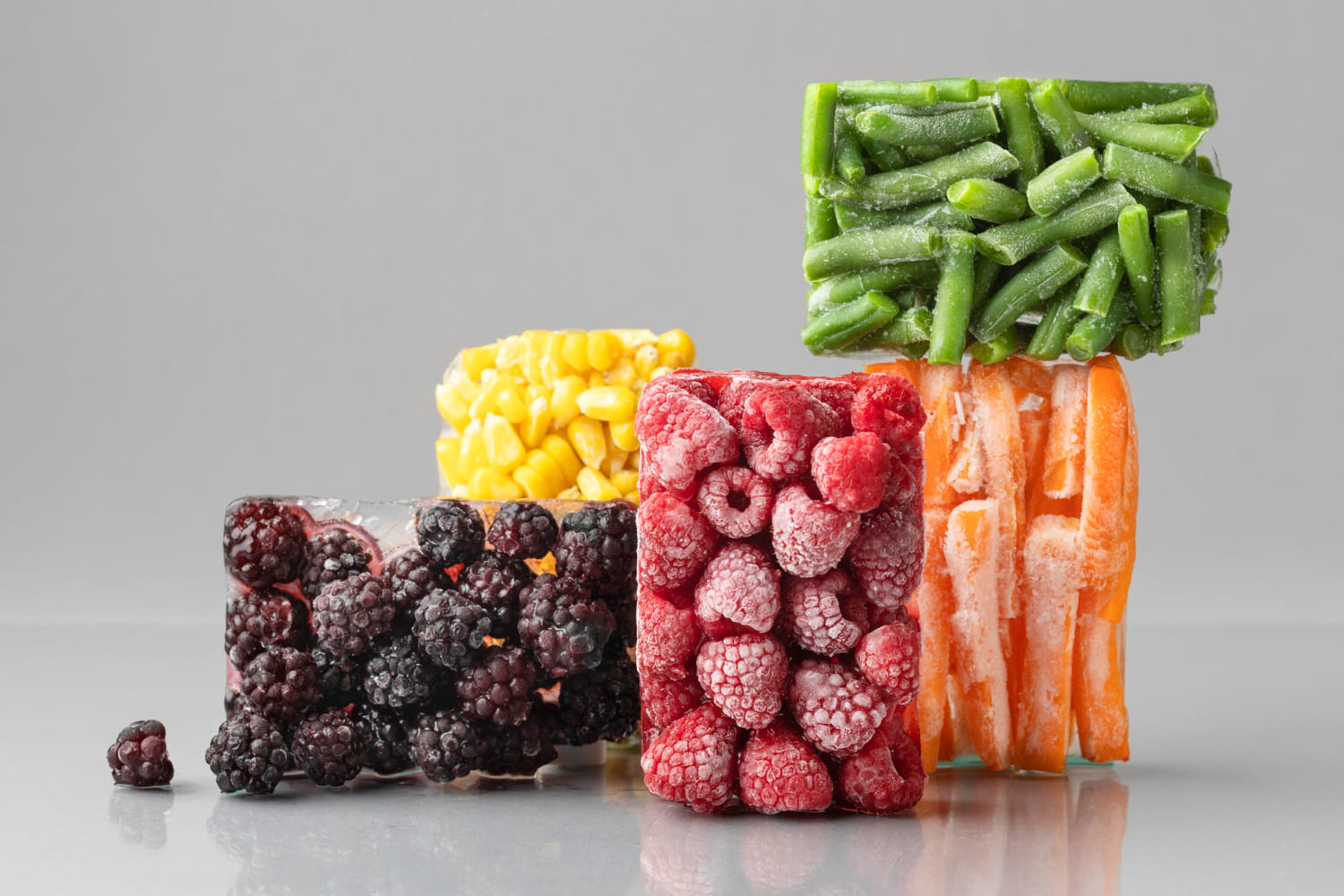
Frozen and canned fruits and vegetables are generally as nutritious as fresh ones, and in some cases, they may even be more nutritious. For example, the nutritional value of many frozen fruits and vegetables is comparable to that of fresh fruits and vegetables that have been refrigerated for a week. In some cases, the preservation process can actually increase the nutritional value of the product. For example, frozen apricots have a higher vitamin C content than fresh apricots, which is due to the preservation process.
Freezing slows down the spoilage process. Industrial methods allow for good preservation of color, texture, and nutrients. However, the formation of ice crystals can damage the product’s structure, reduce its nutritional content, and make it softer, especially if it has been thawed and refrozen. There is also a microbiological concern: frozen foods can be contaminated with Listeria monocytogenes, but heat treatment reduces this risk.
Canning involves sterilization at high temperatures, which ensures long-term storage at room temperature. Due to heating, some of the nutrients are destroyed, especially water-soluble vitamins (such as vitamin C). Modern technologies allow for faster and lower-temperature processing, reducing nutrient loss.
When choosing canned vegetables, it is recommended to opt for options that do not contain added salt or have minimal sodium content. It is advisable to rinse the vegetables before consumption to reduce the amount of salt. Sauces, such as those that come with canned beans, may contain added sugar and salt; if these products are part of your regular diet, it is best to choose versions with lower sodium content.
When it comes to canned fruits, it is recommended to choose those that are packed in juice rather than syrup. It is also beneficial to look for labels that indicate “no added sugar.” Canned fruits can be enjoyed as a standalone snack, added to cereals, or used in yogurt recipes. In many recipes, fresh fruits can be substituted with frozen or canned fruits.
Frozen vegetables are convenient for quick cooking: for example, green peas or edamame are enough to boil for a few minutes and add to a stir-fry or stew. Canned lentils, chickpeas, or beans can make a soup, pasta, or salad more filling — it is worth washing them before adding to the dish.
Dried beans, chickpeas, and lentils are an excellent source of fiber and protein, while they are even more affordable and have a long shelf life. However, they usually take longer to cook. Sometimes pre-soaking is required, but some types can be added directly to the pot.
Dried fruits should not be considered as a daily substitute for fresh, frozen, or canned fruits. Due to the removal of moisture, their sugar content increases. It is better to reserve them for occasional snacks.
Therefore, frozen and canned fruits are an affordable and healthy alternative to fresh fruits and vegetables. With proper selection and usage, they can help you meet the recommended intake of plant-based foods without significantly increasing your expenses or time commitments.
Published
June, 2026
Updated
Category
Medicine
Duration of reading
2-3 min
Share


Source
Scientific journal The Conversation. Article: Frozen fruit and canned veg are cheap, but are they as healthy as fresh food?
Global health science — in clear language
We select and translate the best international publications. Read 3 key materials about longevity every week!