Stem cells can cure type 1 diabetes
Type 1 diabetes is an autoimmune disease in which the immune system destroys the beta cells of the pancreas, which are responsible for insulin production. As a result, patients are forced to use insulin therapy for life, which cannot fully replace the dynamic function of healthy cells and carries the risk of complications. Modern regenerative medicine offers a fundamentally different approach: the replacement of lost cells using stem cell-based technologies.
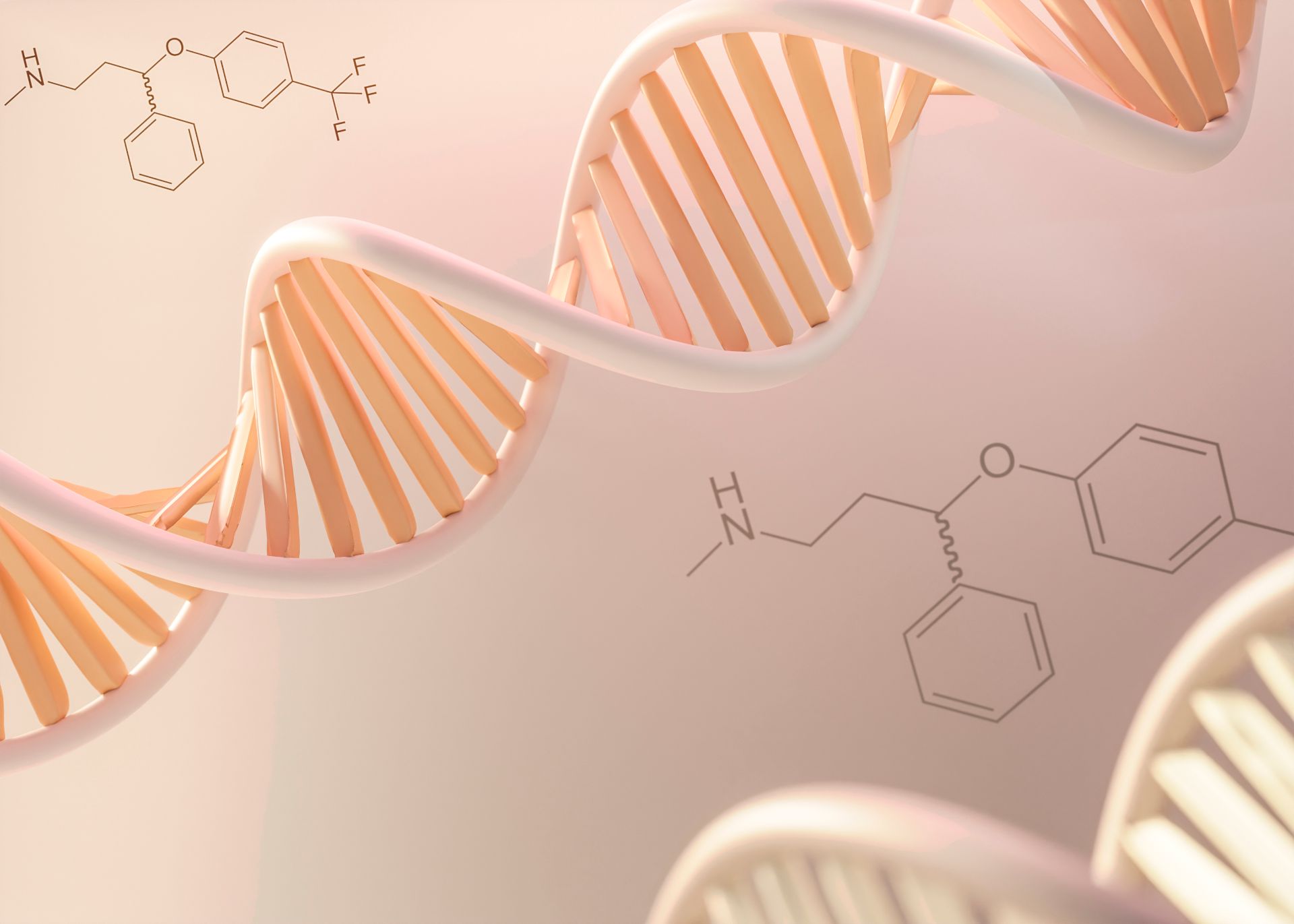
In scientific practice, two main types of pluripotent cells are used, which have the ability to transform into any specialized structures of the body. Embryonic stem cells are obtained from material donated after IVF procedures, which provides researchers with an almost unlimited supply for their work. In parallel with this, technologies for creating induced pluripotent stem cells are actively developing*. In this case, cells of an adult organism, such as skin or adipose tissue, undergo genetic reprogramming, returning to the embryonic state. The main advantage of this approach is the genetic identity of the resulting material to the patient, which simplifies compatibility issues.
Recent clinical trials have confirmed that beta cells grown in a laboratory environment can survive, mature, and perform their functions after transplantation. One notable example of success is a study conducted by Vertex Pharmaceuticals, where the vast majority of participants were able to stop using insulin injections within six months after the procedure. Even more impressive is the experience of Chinese scientists, who managed to reprogram the patient’s own fat cells into beta cells and achieve complete insulin independence for more than a year.
Despite the promising results, the development of this field is hindered by the issue of immune rejection. The patient’s body often perceives the transplanted structures as foreign, and in type 1 diabetes, there is a risk of a repeated autoimmune attack by the patient’s own immune system. The use of traditional immunosuppressive drugs poses significant health risks, leading to the search for alternative solutions. Currently, the creation of protective bioengineering capsules that isolate cells from immune factors, as well as genetic editing methods, are considered promising areas. The successful experience of 2025, when genetically modified cells were successfully transplanted without the use of immune-suppressing drugs, proves the fundamental possibility of creating immune-invisible grafts.
However, these therapies remain experimental and await official approval from regulatory authorities. Experts urge patients to exercise caution when considering offers from unverified clinics and to participate exclusively in officially registered clinical trials. Nevertheless, the accumulated data suggests that in the near future, cell therapy will revolutionize the treatment of type 1 diabetes, significantly improving the quality and duration of patients’ lives.
*Induced pluripotent stem cells (iPSCs) are cells obtained by reprogramming adult somatic cells back to a pluripotent state similar to that of embryonic stem cells (ESCs).
Published
May, 2026
Updated
Category
Medicine
Duration of reading
3-4 min
Share


Source
Scientific journal The Conversation. Article: Stem cells have potent potential for diabetes treatment
Global health science — in clear language
We select and translate the best international publications. Read 3 key materials about longevity every week!