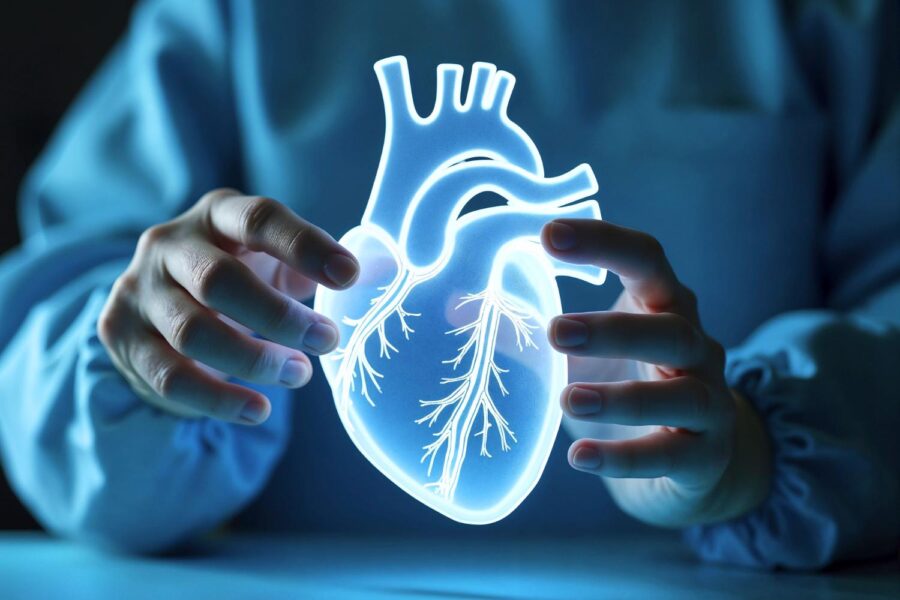
Depression is associated with disruption of the biological clock
A study from the University of Sydney has revealed that almost a quarter of young people who seek psychological help suffer from a serious malfunction of circadian rhythms — their biological clocks work inconsistently, as if after a flight through several time zones. This condition is called internal jet lag and, as researchers suggest, may play an important role in the development of depression and bipolar disorder.
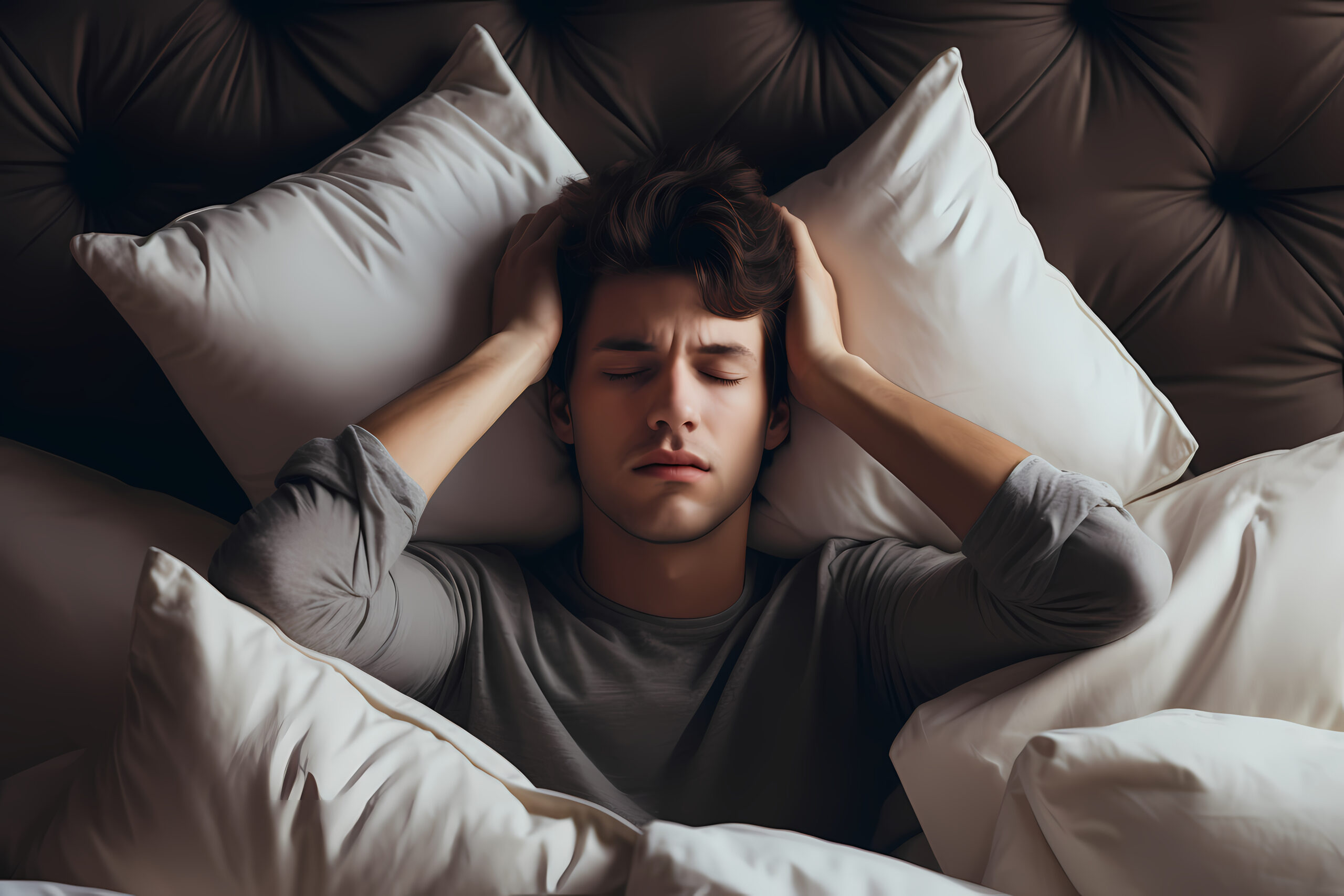
For the first time, a team led by Dr. Joanne Carpenter and Professor Ian Hickey simultaneously studied three key markers of the “internal clock”: melatonin levels, cortisol levels, and daily fluctuations in body temperature. All these indicators regulate our cycle of wakefulness and sleep.
It turned out that in 23% of patients, at least two of the three biomarkers were at odds. This is not just a disrupted sleep pattern, but a complete inconsistency of internal biological rhythms. Moreover, the degree of their impairment directly correlated with the severity of symptoms of depression. For example, in people with a more severe condition, the body temperature fluctuation cycle was ahead of other rhythms, including sleep.
The study was conducted in the chronobiology laboratory, where volunteers aged 16 to 35 years (both with and without diagnosed mental disorders) spent the night under observation. Body temperature was monitored using an ingested sensor, and hormonal levels were monitored by saliva.
According to the researchers, it is not yet possible to say that the internal jet lag causes depression, but it is already clear that there is a link between the state of the biological clock and mental health. In the future, this may lead to new ways of diagnosing and treating depressive states — not only through psychotropic drugs, but also through restoring circadian harmony.
It is especially important that even some participants without psychiatric diagnoses showed signs of inconsistent rhythms — this can help predict the risk of developing disorders long before symptoms appear.
“This is just the beginning, but it is already clear that the internal biological clock may be the key to new strategies for helping people with depression and anxiety disorders,” Dr. Carpenter emphasizes.
Published
July, 2025
Duration of reading
2-3 minutes
Category
Science
Share


Don’t miss the most important science and health updates!
Subscribe to our newsletter and get the most important news straight to your inbox