Adding seeds to smoothies may control blood sugar
Drinks made from fruits and vegetables have long been part of the usual diet, but there is still controversy surrounding them. Many believe that smoothies are no better than fruit juices and provoke blood sugar spikes. However, a new study by experts from the University of Plymouth (UK), published in the European Journal of Clinical Nutrition, shows that everything depends on the composition. Unlike juices, smoothies retain fiber, which slows the absorption of sugars. Beverages with added seeds are particularly beneficial, as they reduce the body’s glycemic response.
One of the key factors affecting carbohydrate processing is the mechanics of digestion. While chewing whole fruit gradually releases sugars, juicing accelerates the process.
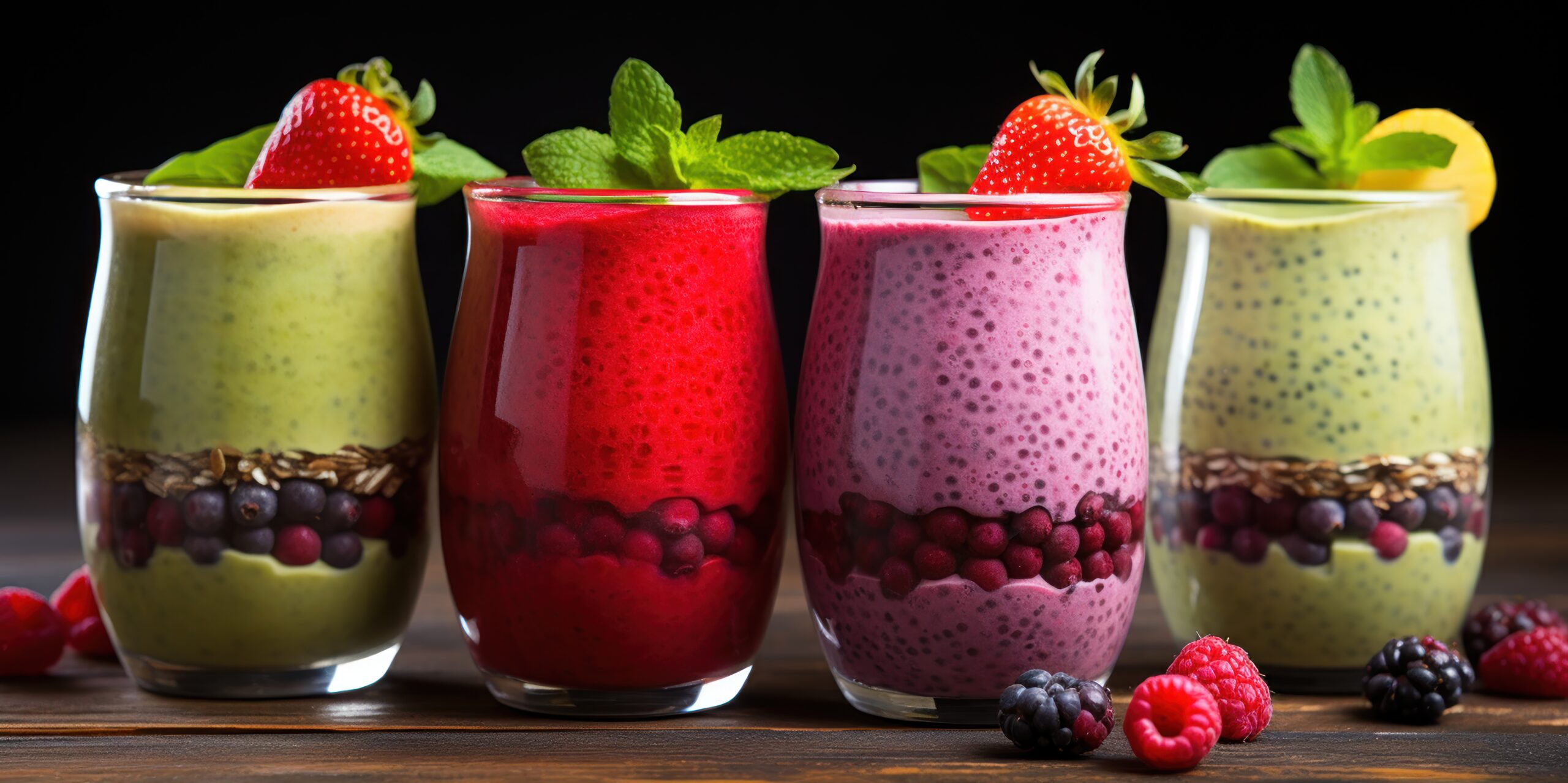
Smoothies occupy an intermediate position: the blender partially destroys the cell walls of fruits, but the fiber remains, which can significantly reduce the rate of glucose absorption. The effect is particularly noticeable when seeds – such as raspberries or flax seeds – are added. In one experiment, the rate of sugar absorption was 20% lower when smoothies with raspberry seeds were consumed than when whole berries were consumed.
Studies show that some types of smoothies not only don’t raise blood sugar, but may lower it. For example, one experiment compared the glycemic index of whole fruits (mango, banana, pineapple, kiwi and passion fruit) with the same foods but in chopped form. It turned out that smoothies caused a milder sugar spike (GI 32.7) compared to whole fruit (GI 66.2).
Similar trends were observed in studies with apples and blackberries. Although most of the experiments so far have been conducted on small groups of participants, the findings suggest that smoothies cannot be considered unequivocally harmful.
Some combinations of ingredients can further improve glycemic response. For example, adding yogurt to a drink reduces sugar spikes by about 15%. The proteins and fats in dairy products slow the absorption of carbohydrates, making smoothies a more balanced snack.
In addition, it’s important to keep in mind that store-bought drinks often contain added sugar or are devoid of pulp, reducing the fiber benefits to zero. It’s much healthier to make them yourself, using fresh ingredients without sweeteners.
Despite the encouraging data, it is too early to draw definitive conclusions. It is necessary to study how regular consumption of smoothies affects the feeling of satiety, insulin levels and total caloric intake. It is also worth considering people’s actual behavior: how often they consume such drinks, what they combine them with, and how it affects long-term health.
Understanding these mechanisms will help to adjust dietary recommendations and, perhaps, change the perception of the usefulness of smoothies. In any case, one thing is already clear: properly prepared drinks with fiber and seeds can be a great way to maintain normal blood sugar levels.
Published
April, 2025
Duration of reading
3-4 minutes
Category
Medicine
Share


Don’t miss the most important science and health updates!
Subscribe to our newsletter and get the most important news straight to your inbox