Friendship improves health in old age
The wider the social circle, the better the quality of life in old age. A ten-year study has shown that older people with an active social life feel noticeably better. But not everyone can escape loneliness – women, the elderly and members of ethnic minorities are particularly vulnerable. But there is good news: even in old age, it is possible to expand your social circle and change your life for the better.
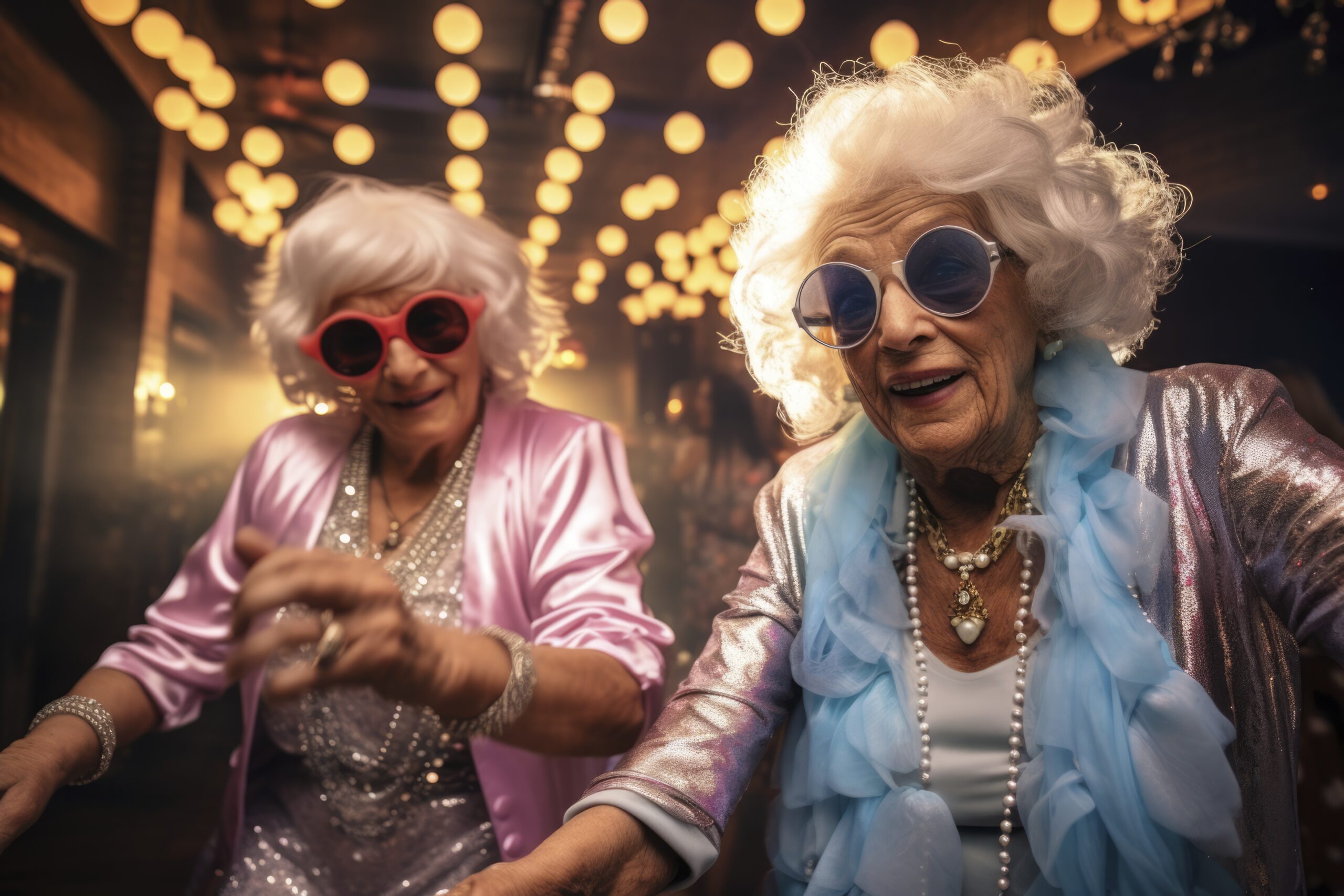
The more connections an older person has with others, the better they feel – both physically and psychologically. This became apparent after analyzing data on more than 1,500 Americans over the age of 60. Their lives were followed for ten years, recording how their health changed depending on their socialization patterns.
The researchers identified three types of social environments: saturated (many and varied connections), centered (a narrow but supportive circle), and limited (mostly of close relatives and low activity). Those whose lives were filled with regular and varied socialization had the best well-being.
Those who found themselves with limited social networks felt the worst at the start of the study. And although the difference between the groups smoothed out a bit as time went on, by the end of the follow-up their well-being remained the least satisfactory. This is particularly worrying given that more than 85% of participants in this category never managed to break out of their isolation.
The problem of loneliness in old age is exacerbated by a number of factors, from the loss of a spouse to poor accessibility to transportation or living in sparsely populated and unsafe areas. Women and members of racial or ethnic minorities are particularly likely to experience it.
Nevertheless, change is possible. Nearly half of people from concentrated networks have moved into more saturated social groups over time. This proves that even if your social circle is narrow, you can expand it. The key is to have opportunities and social support.
One of the most important conclusions is that social isolation is not a sentence. Yes, it is difficult to leave the closed circle, especially in old age, but such cases do occur. People start to socialize more often, make new friends, participate in community life, and this has a direct impact on their health.
Improving social life in older age is not only a matter of comfort, but also an important step towards reducing health inequalities. By knowing who is more at risk for loneliness, programs can be created to help seniors stay active and feel needed. After all, in the end, it is the quality of relationships that makes old age truly worthwhile.
Published
May, 2025
Duration of reading
2-3 minutes
Category
Interesting facts
Share


Don’t miss the most important science and health updates!
Subscribe to our newsletter and get the most important news straight to your inbox