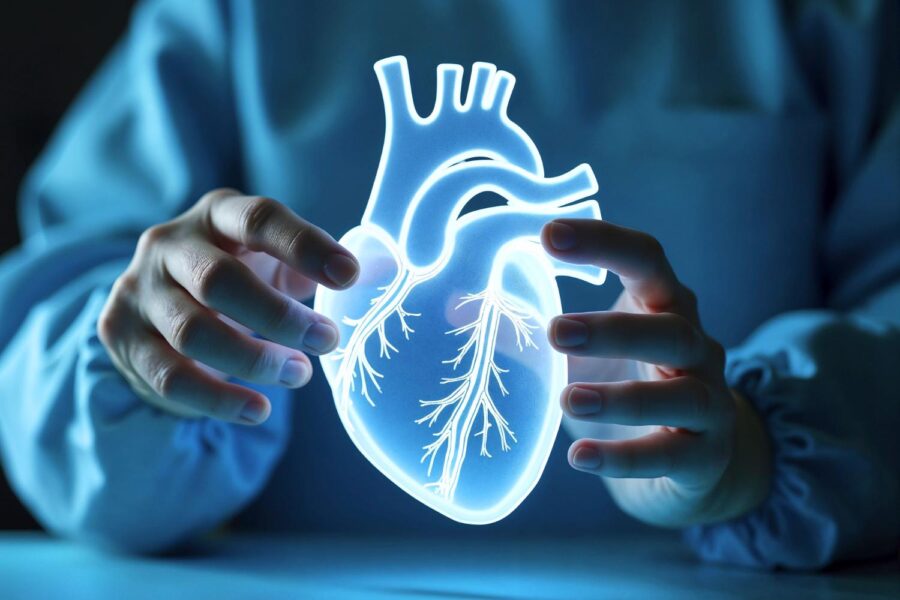
Exposomics – the science that is changing medicine
Every breath, every meal, and even stress all leave a trace in the body. A new branch of science called exposomics is learning how to read these molecular traces and use them to prevent disease. In the latest issue of Science, leading experts reveal how technology is helping to peer into the invisible history of our contact with the environment – and how this is changing the way we approach health.

Everything we encounter – from polluted air to daily stresses – is discreetly recorded in the cells of the body. This hidden record of influences has become the focus of a new field of science. It is called exposomics – by analogy with genomics, but instead of genes, it studies everything that affects us from the outside. And today experts are taking the first steps to decipher these molecular traces and use them for early diagnosis and prevention.
Sensors, satellites, ultra-precise devices – all this now helps to find substances in the body with incredible accuracy. For example, it was found that workers at one factory had kidney disease linked to exposure to a particular solvent. In another case, experts compared air pollution levels from satellite images with people’s residential addresses and found a link between particles in the air and premature aging of the brain.
It has long been thought that most diseases are determined by heredity. But in practice, genes are only the basis. The real picture is shaped by many factors: what we eat, where we live, how we react to stress, what chemicals we inhale. Exposomics brings all of these elements together, giving a more complete understanding of why certain conditions occur.
Exposomics is especially powerful when combined with other fields: genetics, protein analyses, metabolic research. Together, they make it possible to see health in volume rather than in a flat fragment. This approach not only helps with treatment, but also allows us to predict disease long before symptoms appear.
Teams from the U.S. and Europe are creating entire centers where they are training new specialists and developing methods that will become the standard in a few years. To make progress, it is important not only to develop technology, but also to consider privacy issues and the social aspects that also affect well-being.
Imagine if your doctor could not only find out what your pain is, but also find out what environmental factors led to it. From harmful substances to anxiety levels, all of these could be clues to not just treating the illness, but preventing it from happening in the first place. This is where exposomics is heading – and it’s no longer a fantasy, but the reality of tomorrow.
Published
April, 2025
Duration of reading
3-4 minutes
Category
Science
Share


Don’t miss the most important science and health updates!
Subscribe to our newsletter and get the most important news straight to your inbox