Epigenetics can explain the occurrence of mental disorders
Mental disorders such as obsessive-compulsive disorder (OCD) and bipolar disorder are influenced by a complex mix of genetic risks and environmental factors, including traumatic experiences or chronic stress. For a long time, it was unclear how these two distinct forces interacted. However, epigenetics, the field that studies chemical changes that regulate gene activity without altering the DNA structure itself, has shed light on this connection.
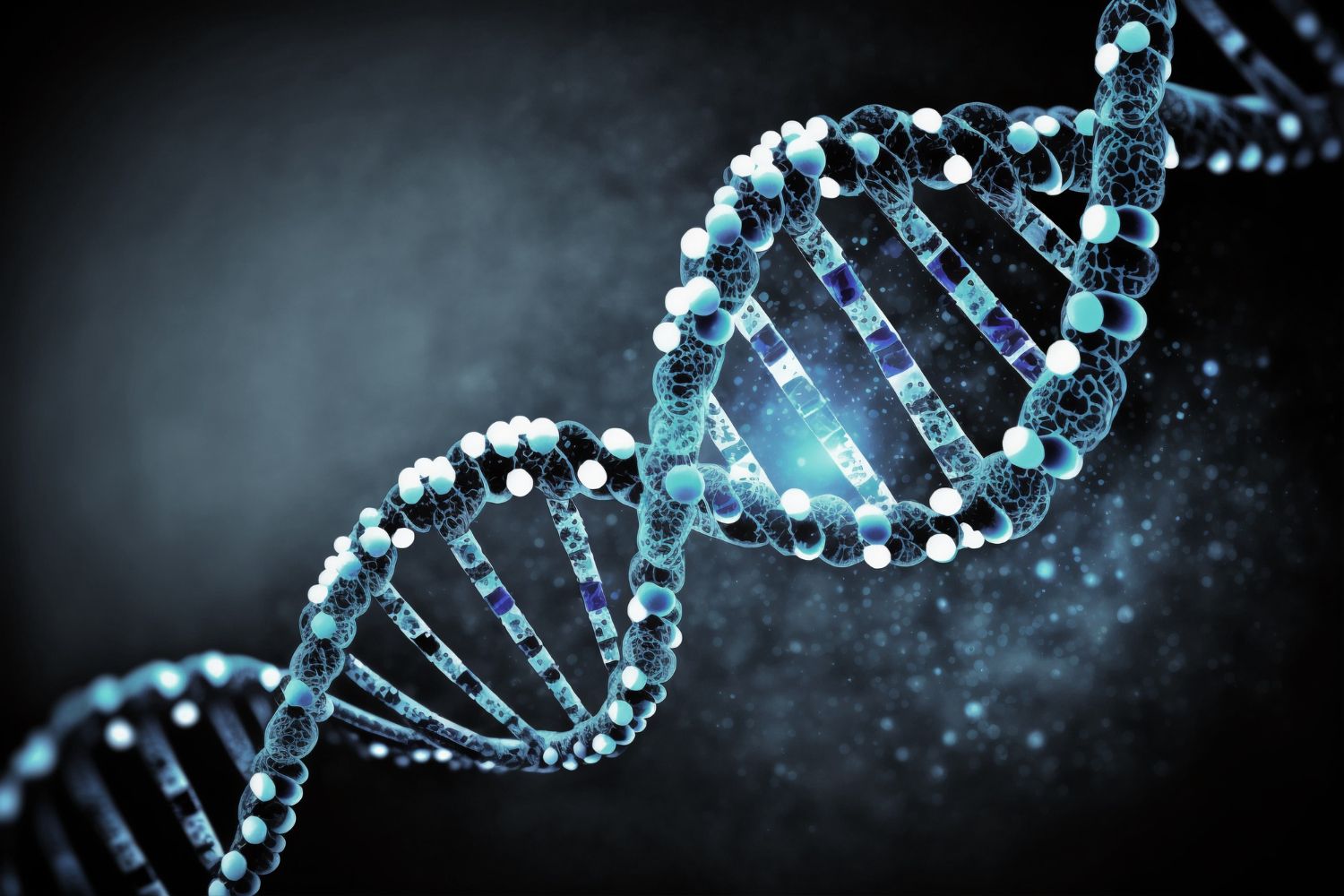
The new data, published in the scientific journals Biological Psychiatry and Lancet eBiomedicine, is based on the analysis of DNA methylation patterns. This process involves the appearance of specific chemical marks on the DNA molecule, which are influenced by both innate genetics and external factors, particularly during early life. By comparing the profiles of individuals with diagnosed OCD or bipolar disorder with those of healthy participants, the researchers identified significant differences in these mechanisms.
A significant portion of the detected changes affected genes that regulate the immune system. This is a strong argument in favor of the theory that immune processes play an important role in the development of mental disorders. Other altered regions of DNA were found to be responsible for the functioning of neurons. Interestingly, some of the epigenetic changes overlapped with known genetic risk factors, providing insight into the mechanism of disease onset. However, other markers appeared to be completely independent of heredity, reflecting the impact of stress on individuals.
As part of the study on bipolar disorder, a global “methylation index” was developed. Its integration into existing genetic models has significantly improved the accuracy of predicting disease risks. This is an important step towards precision psychiatry, where treatments are tailored to individual needs. Epigenetic analysis is becoming a powerful addition to classical genetics, providing a deeper understanding of the biological nature of disorders and enabling the development of personalized treatment approaches.
Published
May, 2026
Category
Science
Duration of reading
2-3 min
Share


Source
Scientific journal eBioMedicine. Article: DNA methylation signatures associated with bipolar disorder in peripheral blood improve prediction models
Global health science — in clear language
We select and translate the best international publications. Read 3 key materials about longevity every week!