Beans and soy can significantly reduce the risk of high blood pressure
The results of a new meta-analysis confirm a statistically significant association between regular consumption of legumes and soy products and a reduced risk of hypertension. The researchers analyzed data from 12 prospective observational studies involving over 88,000 participants from the United States, Asia, and Europe. According to the World Cancer Research Fund’s criteria for assessing the likelihood of a causal relationship, this association is classified as “probable cause.”
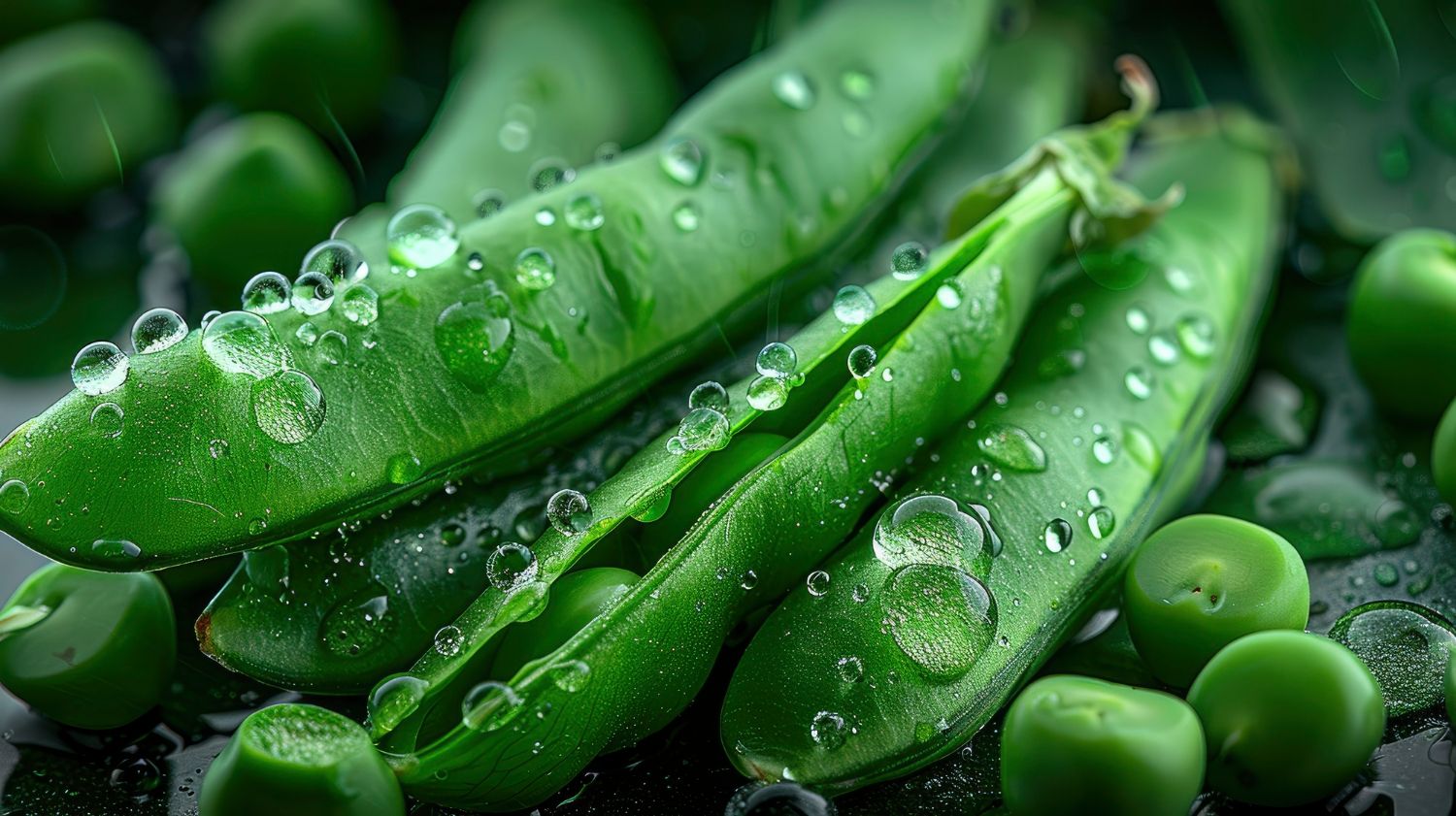
During the dose-response analysis, the optimal daily consumption rates were determined to achieve the maximum protective effect:
- Legumes (peas, lentils, chickpeas, beans): The risk of hypertension decreases linearly up to a consumption level of about 170 g per day. When this rate is reached, the probability of developing the disease is reduced by 30%.
- Soy products (tofu, soy milk, miso, tempe): The greatest reduction in risk (by 28-29%) is observed when consuming 60-80 g per day. Further increases in soy intake do not lead to additional reductions in risks (plateau effect).
On average, participants with high legume consumption had a 16% lower risk of hypertension, and with high soy consumption, this figure was 19% compared to low consumption groups.
The reduction in blood pressure is due to several factors. Legumes and soy are characterized by high levels of potassium, magnesium and fiber. Current evidence indicates that the fermentation of soluble fiber in the gut leads to the production of short-chain fatty acids, which promote vasodilation. In addition, soy-specific isoflavones have a direct positive effect on vascular wall elasticity and pressure regulation mechanisms.
Researchers have highlighted a significant gap between current levels of plant-based protein consumption and scientifically-based recommendations. In Europe and the UK, the average consumption of legumes is only 8-15 g per day, which is significantly lower than the recommended target of 65-100 g for maintaining cardiovascular health. The shift towards plant-based protein sources is seen as a priority strategy for reducing the global burden of hypertension, especially as the prevalence of this condition continues to rise.
Published
May, 2026
Updated
Category
Medicine
Duration of reading
2-3 min
Share


Source
Scientific Journal BMJ Nutrition Prevention & Health. Article: Legume and soy consumption and the risk of hypertension: a systematic review and dose–response meta-analysis of prospective studies
Global health science — in clear language
We select and translate the best international publications. Read 3 key materials about longevity every week!