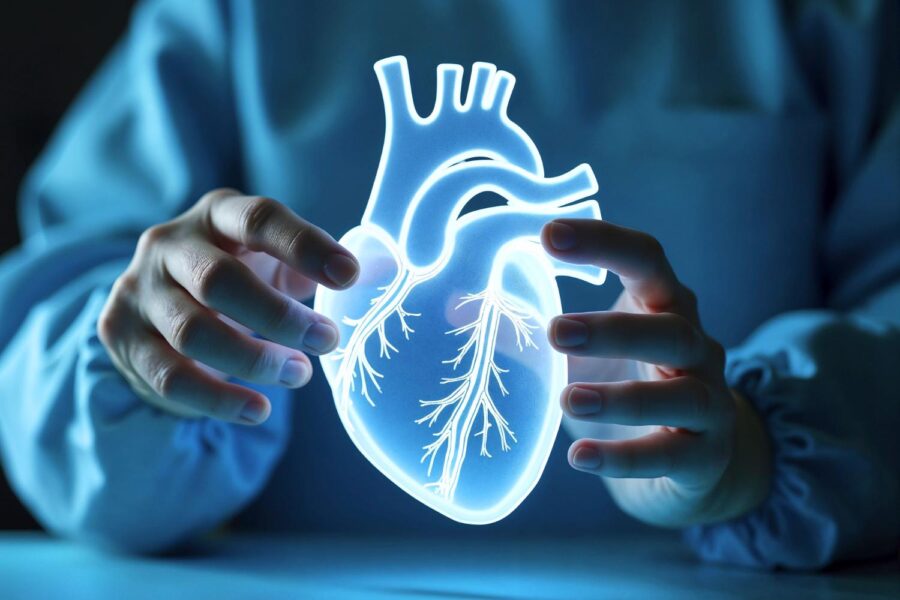
Flavonols from cocoa, berries and tea protect blood vessels
Prolonged sitting is a familiar part of modern life. We spend six or more hours a day at the computer, in the car or on the couch, and this negatively affects the functioning of blood vessels. A new study by scientists from the University of Birmingham has shown that the inclusion of flavanol-containing foods in the diet can mitigate the harmful effects of inactivity on the vascular system. The work was published in The Journal of Physiology and was the first experiment to prove that flavonols can prevent deterioration of vascular function during prolonged sitting.
Even two hours of sitting without movement reduces the elasticity of blood vessels and impairs blood flow. According to previous studies, a drop in vascular function of just 1% increases the risk of cardiovascular diseases – heart attacks, strokes and heart failure — by 13%.
“Even if you’re just sitting at a desk, driving, or watching TV, your body is still stressed,” explains study leader Dr. Catarina Rendeiro, associate professor of Nutrition. “We wanted to understand if nutrition could help protect blood vessels during these periods of no movement.”
Flavanols are natural compounds related to polyphenols. They are found in cocoa beans, tea, apples, plums, berries, and nuts. Previously, flavanols have already shown a positive effect on blood vessels in stressful situations, but their effect in sedentary conditions has not yet been studied.
The experiment involved 40 healthy men aged 18 to 35 years: half had a high level of physical fitness, the other — low.
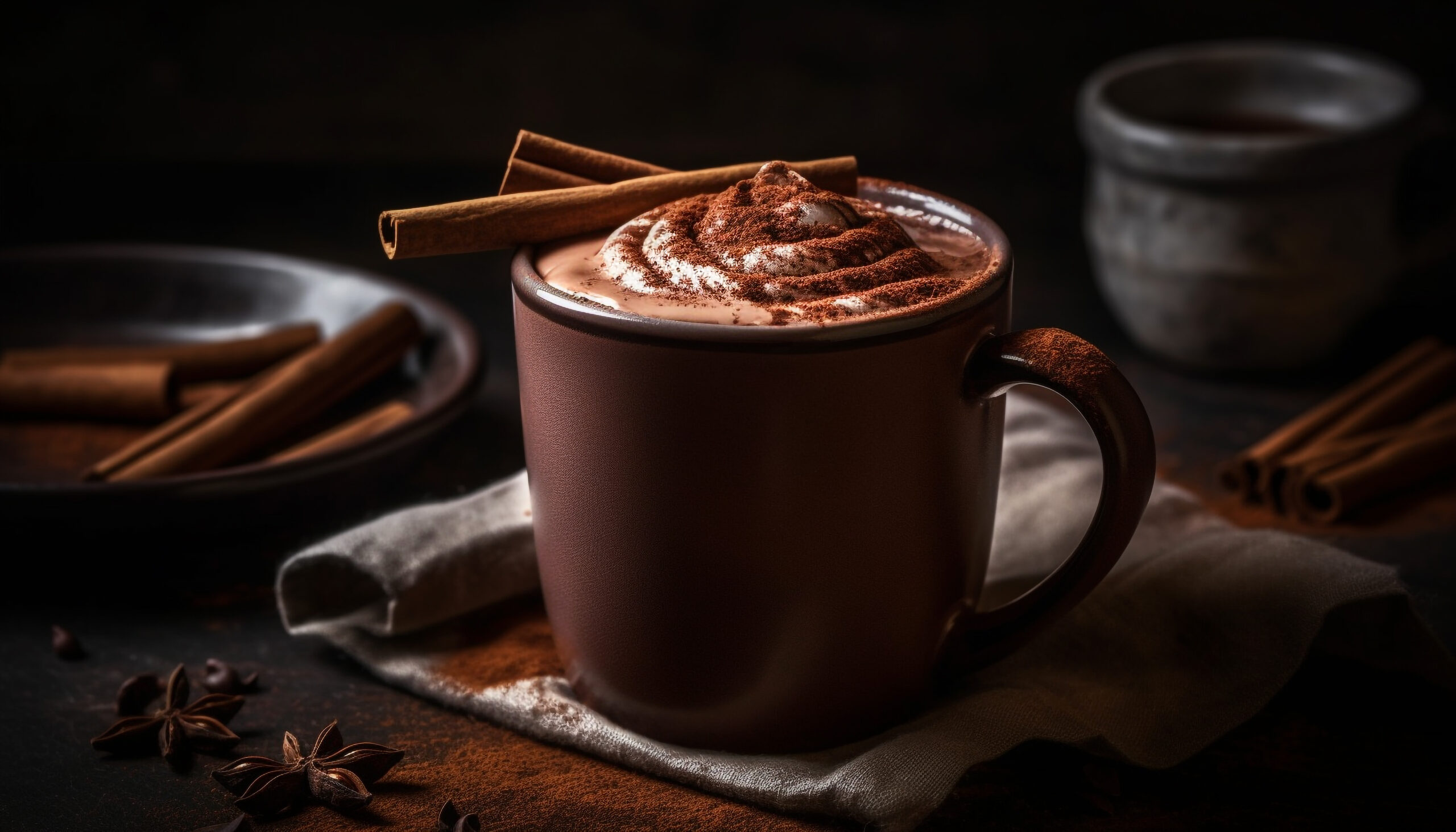
Before the two-hour sitting period, each participant drank a cocoa-based drink:
- or rich in flavanols (695 mg per serving),
- or with their minimum content (5.6 mg).
Then they measured a number of indicators — blood flow, vascular elasticity (according to FMD), blood pressure and muscle oxygen saturation — before and after sitting.
The results were unequivocal: participants who drank a low-flavanol drink had decreased vascular function in both their arms and legs after two hours of sitting. At the same time, the level of physical fitness did not play a role — even in trained men, the vessels reacted equally poorly.
On the contrary, those who received a high-flavanolic drink did not experience a decrease in vascular elasticity. Their blood flow and pressure levels remained at the same level, regardless of their physical condition.
“This is the first evidence that flavanols are able to protect blood vessels from the short—term effects of a sedentary lifestyle,” said study co-author Professor Sam Lucas.
It is not difficult to add flavanols to the diet. You can already find cocoa products in stores that preserve the natural content of these substances. In addition, the sources of flavanols are green and black tea, apples, berries and nuts — familiar foods available to everyone.
“Our data show that even with low physical activity, nutrition can play a protective role,” says Rendeiro. “If you combine flavanol—containing foods with short breaks for movement, you can significantly improve vascular health and reduce risks to the heart.”
Published
October, 2025
Category
Medicine
Duration of reading
3–4 minutes
Share


Source
Scientific journal The Journal of Physiology. Article: «Dietary flavanols preserve upper‐ and lower‐limb endothelial function during sitting in high‐ and low‐fit young healthy males»
Don’t miss the most important science and health updates!
Subscribe to our newsletter and get the most important news straight to your inbox