Immune cells get tired too
American researchers have found out how immune cells lose strength in the fight against infections and tumors. It turned out that one enzyme can help them avoid “burnout” – a discovery that could influence the development of new approaches to therapy.
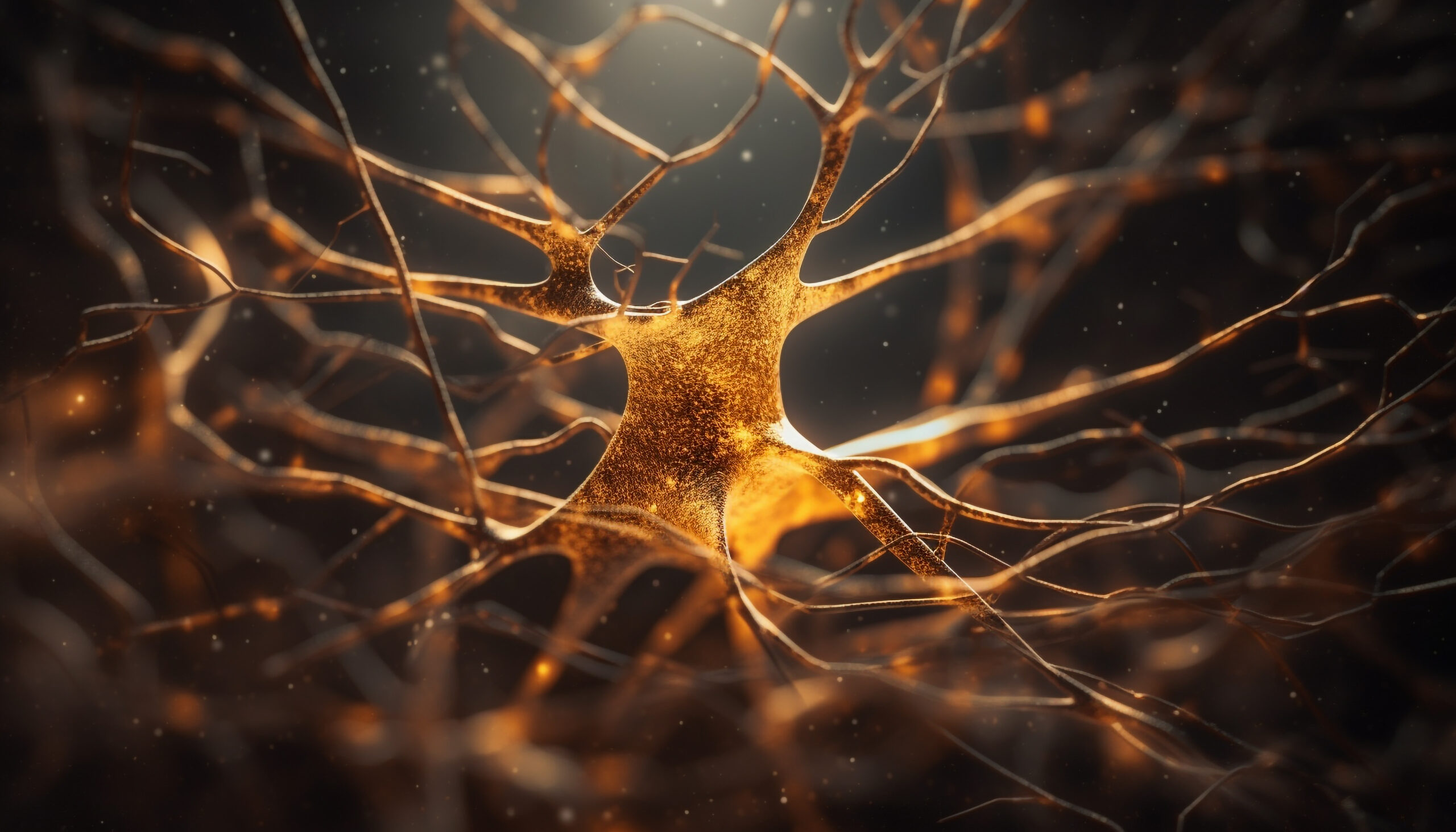
Immunity is not just a defense, but a complex mechanism with many vulnerabilities. One of them is “burnout” of T cells, important fighters of the immune system. In a new study published in the journal Proceedings of the National Academy of Sciences, a team from Hai-Hui Xue’s lab showed that an enzyme called Hdac1 helps avoid this condition.
When the body encounters viruses or tumors, CD8+ T cells come into play. These cells recognize the threat and attack it. But if the threat is prolonged, the T-cells become “tired” and lose effectiveness. It is this process that the scientists tried to study to find a way to slow it down or stop it altogether.
The team focused on Hdac1, an enzyme that regulates the work of genes. In animal experiments, they found that the constant presence of Hdac1 helps T cells stay active longer. And in its absence, the cells move more quickly into a “sluggish” state and cease to effectively fight the threat.
The authors believe that Hdac1 influences cell survival and activity, and its role in shaping a robust immune response is much broader than previously thought. This discovery not only adds a brick to the understanding of how the immune system works, but may also provide a basis for the development of new therapies.
This discovery is of particular interest in the context of oncology. Now actively used drugs that inhibit the activity of Hdac – they are used in the therapy of some types of cancer, including together with CAR-T-cells. However, the researchers warn: such drugs can interfere with the body’s own immune cells, reducing their ability to attack the tumor.
Dr. Xue’s lab has been studying how the immune system responds to long-term threats for years. The team’s previous publications have focused on other proteins and mechanisms that help “train” T cells. All of this brings scientists closer to the main goal – to learn how to control the immune system so that it effectively fights chronic diseases without running out of steam halfway through.
The new discovery shows that the immune system has fine-tuning that can be used in therapy. It may help create more precise and effective approaches to treating cancer and viral diseases in the coming years.
Published
May, 2025
Duration of reading
2-3 minutes
Category
Science
Share


Don’t miss the most important science and health updates!
Subscribe to our newsletter and get the most important news straight to your inbox