Individually selected nutrition improves health
An analysis of Medicaid data in Massachusetts (USA) showed that patients with diabetes, heart disease, and depression who received specially designed dietary meals were less likely to be admitted to the hospital and cost the healthcare system less. Let’s explore how the program works and the potential it offers. At least 12 states in the United States are currently piloting personalized nutrition programs as part of the Medicaid program, a federal health insurance program for low-income individuals or those with disabilities. A recent study published in Nature Medicine has confirmed the effectiveness of these programs.
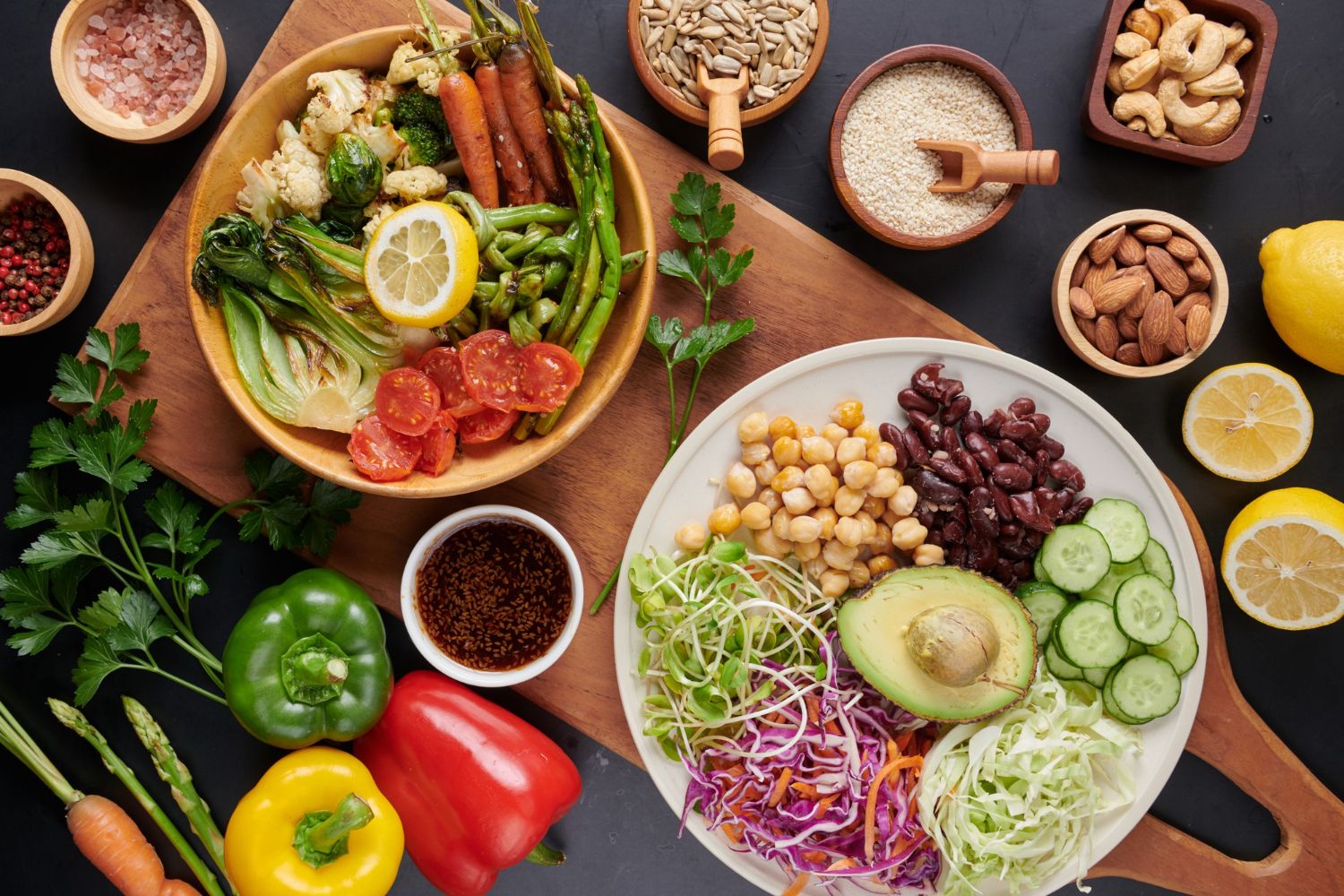
Scientists at the School of Nutrition Sciences and Policy named after Gerald J. and Dorothy R. Friedman of Tufts University, UMass Chan Medical School, and several state medical systems analyzed Medicaid data for 2020-2023. They compared the treatment results of 1,866 patients who received specially selected nutrition with those of similar program participants who did not receive it. The analysis took into account differences in demographics, diseases, and previous use of medical services.
The meals were provided by the non-profit organization Community Servings (Boston). Participants received 10 meals per week — breakfasts, lunches, dinners, and snacks — delivered to their homes. Before starting the program, each participant received an initial consultation with a registered dietitian, who tailored the diet to the patient’s medical needs and preferences. The duration of participation in the program ranged from 3 to 33 months, with an average of about 6 months.
An analysis of Medicaid insurance claims data revealed impressive results. In patients who received individually tailored nutrition, the number of hospitalizations decreased by 31% and the number of emergency department visits decreased by 20%. Additionally, the overall cost of treatment decreased, even taking into account the cost of the meals. The improvements were observed within a few months of the program’s implementation, and the greatest healthcare savings were achieved in patients with longer participation. It is important to note that the program did not reduce the necessary medical care, as the number of visits to primary care physicians remained unchanged.
Patients with heart disease, chronic kidney disease, diabetes, and depression benefited the most from the program. “For the first time on a statewide scale, we have evaluated the real impact of a customized nutrition program under Medicaid for Americans with nutrition-related diseases,” said Dariush Mozaffarian, senior author of the study and a cardiologist. “The results show that food can indeed be a medicine, and this has important clinical and policy implications for the coverage of such programs.”
The authors note several limitations. Since the participants were not randomly assigned, those who chose to participate in the program may have been different from the rest of the population due to unaccounted-for factors. Additionally, the program was implemented by an established non-profit organization for patients at high risk due to their health conditions and economic circumstances. This means that the results may vary for other nutrition providers or for healthier patients or those with more stable economic situations. Finally, the findings are based on data from a single state, although the analysis was conducted on a large scale.
Nevertheless, these results could serve as a model for similar programs across the country and around the world. The Centers for Medicare and Medicaid Services are already emphasizing the importance of nutrition in healthcare.
“It’s rare in medicine to find something that both improves health and saves money,” says Mozafarian. “It’s clear that these programs should be expanded to patients in other states and countries and incorporated into other insurance programs, such as Medicare and corporate insurance.”
Published
June, 2026
Updated
Category
Medicine
Duration of reading
3-4 min
Share


Source
Scientific journal Nature Medicine. Article: Medically tailored meals receipt and healthcare utilization and costs in Massachusetts’ Medicaid demonstration
Global health science — in clear language
We select and translate the best international publications. Read 3 key materials about longevity every week!