Gut bacteria directly affect the brain and behavior
Scientists from Duke University School of Medicine have described for the first time a previously unknown sensory mechanism by which microbes in the gut can directly and instantly affect brain function. The new system, called neurobiotic sense by the researchers, allows the brain to pick up signals from bacteria in real time — without the involvement of the immune system or hormonal circuits. The results of the study are published in the journal Nature. The project was led by neuroscientists Dr. Diego Bojorquez and Dr. Maya Kelberer.
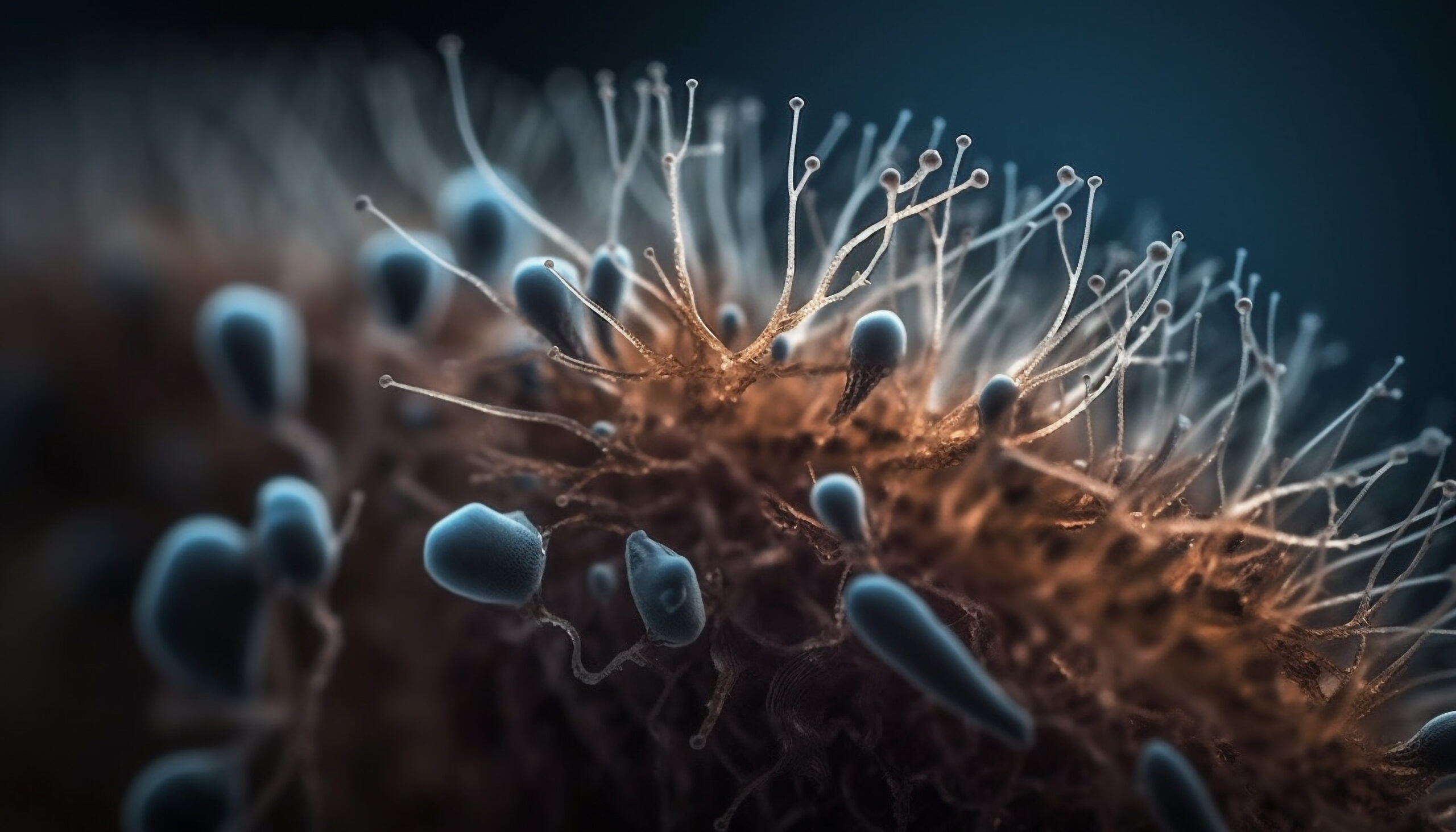
The main role in the new sensory mechanism is played by neuropods, specialized sensory cells located in the mucous membrane of the colon. These cells are part of the epithelium and are able to directly transmit signals to the brain through the vagus nerve, which is the main connecting channel between the intestine and the central nervous system.
When we eat, some bacteria in the colon secrete flagellin, an ancient protein that is part of the flagella that bacteria use to move around. Neuropods sense the presence of flagellin using the TLR5 (Toll-like receptor 5) receptor and instantly send a signal to the brain.
This signal, as shown by experiments on mice, affects appetite: when flagellin was injected into the intestines, the desire to eat decreased in animals.
To test their hypothesis, the scientists conducted a series of experiments.:
- Hungry mice received a microdose of flagellin directly into the colon.
- After protein administration, the animals ate noticeably less than the control group.
- In mice that genetically lacked the TLR5 receptor, the administration of flagellin did not lead to a change in behavior — they continued to eat as usual and gained weight faster.
Thus, the researchers concluded that TLR5, a controlled pathway for the perception of microbial signals, directly regulates behavior through neuropods and the vagus nerve.
This is the first study to demonstrate a neural response to microbial molecules in real time, bypassing classic immune pathways such as inflammation or cytokine production. This interaction between gut bacteria and the brain can affect not only nutrition, but also more complex behavioral and emotional processes.
Dr. Bojorquez notes:
“We asked a simple but fundamental question: can the body sense microbial signals not through inflammation, but through rapid neural communication? And, as it turned out, it can.”
The discovery of neurobiotic feeling opens the way to new approaches in the study of:
- obesity and eating disorders, including overeating and anorexia;
- mood and emotional disorders such as anxiety or depression;
- interactions between diet and the microbiota are how food changes the composition of microbes, which in turn change our behavior.
As Bojorkes notes:
“The next step will be to study how different types of diets change the microbial environment in the gut and, consequently, our brain activity and behavior. We may only be beginning to understand the extent of the impact of the microbiota on the psyche.”
The discovery of neurobiotic feeling is a major shift in our understanding of the “gut-brain axis.” It shows that microbes in the body are not just passive inhabitants, but active players capable of influencing in real time what and how we feel and do. This system, according to the researchers, may be a “sixth sense” — a direct microbial channel embedded in our nervous system.
Published
July, 2025
Category
Medicine
Duration of reading
4—5 minutes
Share


Don’t miss the most important science and health updates!
Subscribe to our newsletter and get the most important news straight to your inbox