Gut bacteria affect vascular ageing and heart health
Our body’s internal inhabitants – bacteria – have a much bigger impact than we tend to think. A new study from Zurich shows that gut flora can speed up or slow down the ageing of blood vessels, directly affecting the risk of cardiovascular disease. What exactly happens and how to keep blood vessels young – read on.
Few people think that there are trillions of microscopic creatures living in our bodies, and most of them live in the intestines. These bacteria not only help us digest food, but also produce substances that affect the entire body, including our blood vessels.
As we age, the composition of this microflora changes. There are fewer and fewer useful bacteria and more harmful ones. Among the products of their vital activity is phenylacetic acid, which, as it turns out, contributes to the aging of cells lining the inner surface of blood vessels.
Vascular disease is the leading cause of death worldwide. Despite treatment of traditional risk factors such as high blood pressure or diabetes, the disease often continues to progress, especially in the elderly. Now scientists from Zurich have proven that it is bacteria and their substances that can accelerate this process.
The study involved data from more than 7,000 people from 18 to 95 years old, as well as experiments on mice. It turned out that with age, the level of phenylacetic acid in the body increases, which leads to deterioration of blood vessels – they become stiffer, worse regulate blood flow and become inflamed.
The key culprit is the bacterium Clostridium sp.ASF356, which converts the amino acid phenylalanine into phenylacetic acid. When it was introduced into young mice, their bodies showed signs of premature vascular ageing. Removing the bacterium with antibiotics reduced levels of the harmful substance and improved the condition.
The good news is that the gut also produces beneficial compounds. For example, short-chain fatty acids from fibre help repair and rejuvenate vascular cells. However, as we age, the number of bacteria that create these ‘protectors’ decreases.
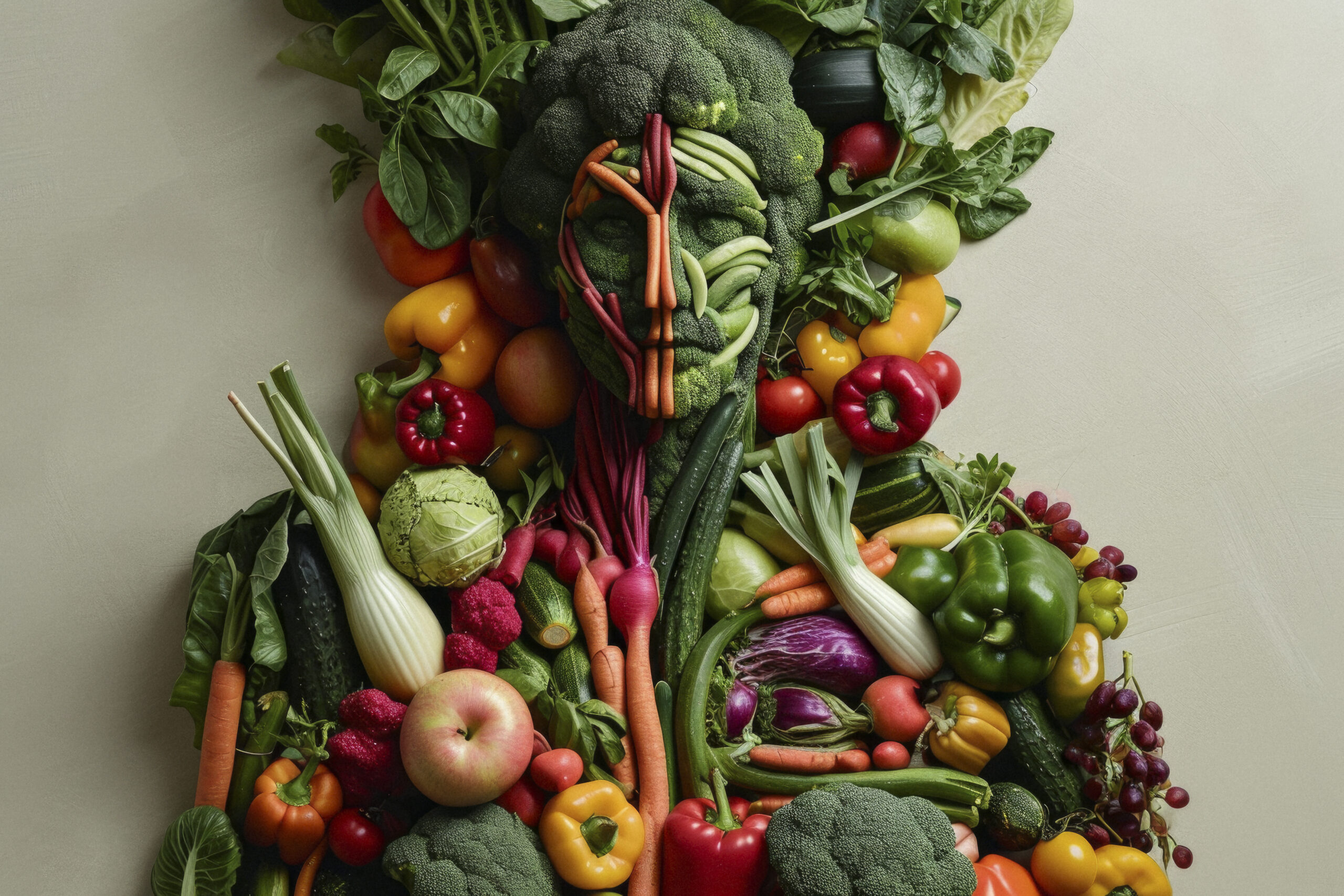
Experts are now studying how nutrition affects the balance between beneficial and harmful microbes. Foods rich in fibre, antioxidants and anti-inflammatory substances keep blood vessels healthy and slow down their ageing. But foods high in phenylalanine – red meat, dairy products and some artificial sweeteners – are best consumed in moderation.
In addition, scientists are developing drugs that can reduce the level of phenylacetic acid in the body. The first experiments using genetically modified bacteria are already showing encouraging results.
Thus, the health of our blood vessels largely depends on the little helpers in the intestines – it is only necessary to take care of them properly in order to prolong youth and keep the heart in top shape.
Published
May, 2025
Duration of reading
3-4 minutes
Category
Medicine
Share


Don’t miss the most important science and health updates!
Subscribe to our newsletter and get the most important news straight to your inbox