Cellular changes in the hippocampus can lead to dementia
A new study has revealed a previously unknown mechanism of brain aging: in the hippocampus, an area critical for learning and memory, a large-scale restructuring of the immune landscape occurs between the ages of 50 and 75. A team of researchers from the University of California, San Diego, the New York Genome Center, and the University of California, Irvine, analyzed the tissue of the hippocampus (an area critical for learning and memory) in 40 neurologically healthy individuals aged 20 to 95. To do this, they applied advanced analysis methods at the level of individual cells: they studied not only gene expression, but also the three-dimensional architecture of the genome, as well as epigenetic markers (for example, DNA methylation).
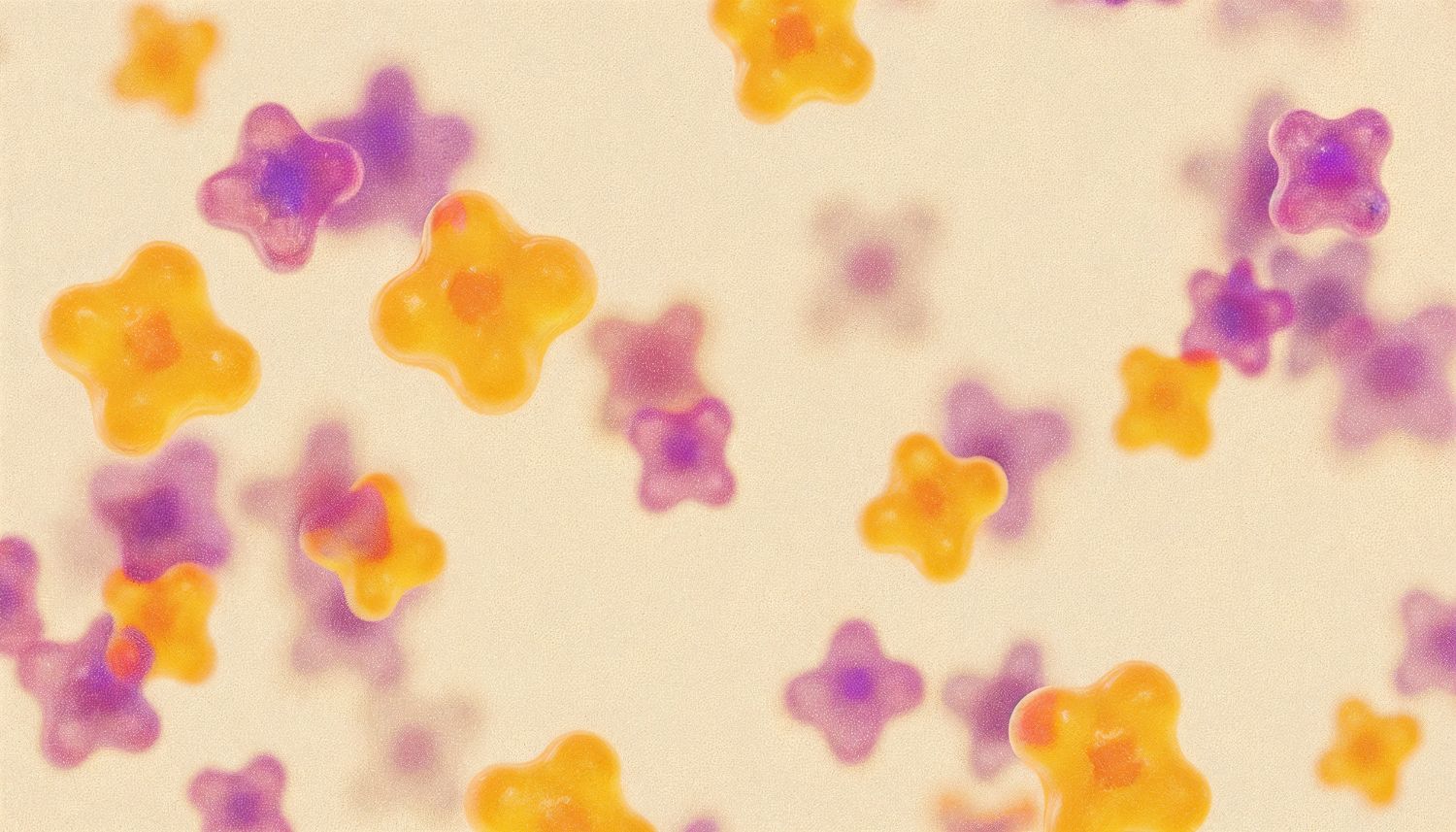
To study human brain aging at an unprecedentedly detailed level, researchers analyzed postmortem hippocampal tissue samples from 40 neurologically healthy individuals aged 20 to 95 years. Using advanced single-cell analysis techniques, the team went beyond traditional gene expression assessments to explore the three-dimensional architecture of the genome and epigenetic modifications, chemical marks that regulate gene activity and store information about a cell’s lineage.
According to the author of the work, Nathan Zemke, it was the combination of these approaches that allowed them to discover significant changes in the identity and origin of brain immune cells that would have been hidden if they had only analyzed gene expression.
The key discovery was that the main immune cells in the brain, microglia, which are formed during the embryonic stage and have long been considered stable throughout life, begin to decrease significantly in middle age. Their place is gradually taken by cells with different molecular characteristics: in terms of epigenetic and transcriptional profiles, they resemble immune cells of the peripheral blood, and also demonstrate increased inflammatory signatures. This change in the cellular composition challenges the established view of the longevity of microglia and points to a possible mechanism for the development of chronic neuroinflammation, often observed in neurodegenerative diseases.
In addition to the restructuring of the immune profile, scientists have identified other systemic signs of brain aging. As we age, the cells that maintain the integrity of the blood-brain barrier deteriorate, potentially making the brain more vulnerable to harmful substances entering from the bloodstream. In addition, in many types of brain cells, aging was accompanied by a large-scale and consistent disruption of the three-dimensional organization of the genome. As one of the study’s authors, Bing Ren, notes, these structural changes are closely linked to shifts in gene regulation and cell identity, and likely reflect a fundamental feature of human brain aging.
Richard Hodges, Director of the National Institute on Aging at the National Institutes of Health, emphasizes that age is the main risk factor for dementia, but the mechanisms linking aging to the development of the disease are still not fully understood. The discovery of a hidden shift in the microglia population could provide important insights into this connection.
Published
July, 2026
Category
Science
Duration of reading
3-4 min
Share


Source
Scientific journal Science. Article: Epigenetic and 3D genome reprogramming during the aging of human hippocampus
Global health science — in clear language
We select and translate the best international publications. Read 3 key materials about longevity every week!