Curcumin against inflammation, overweight and brain aging
Curcumin, the active ingredient in turmeric, is gaining popularity not only as a spice but also as a natural remedy for inflammation, obesity and age-related disorders. A recent review in the journal Nutrients found that this molecule may hold the key to combating metabolic and neurodegenerative diseases.
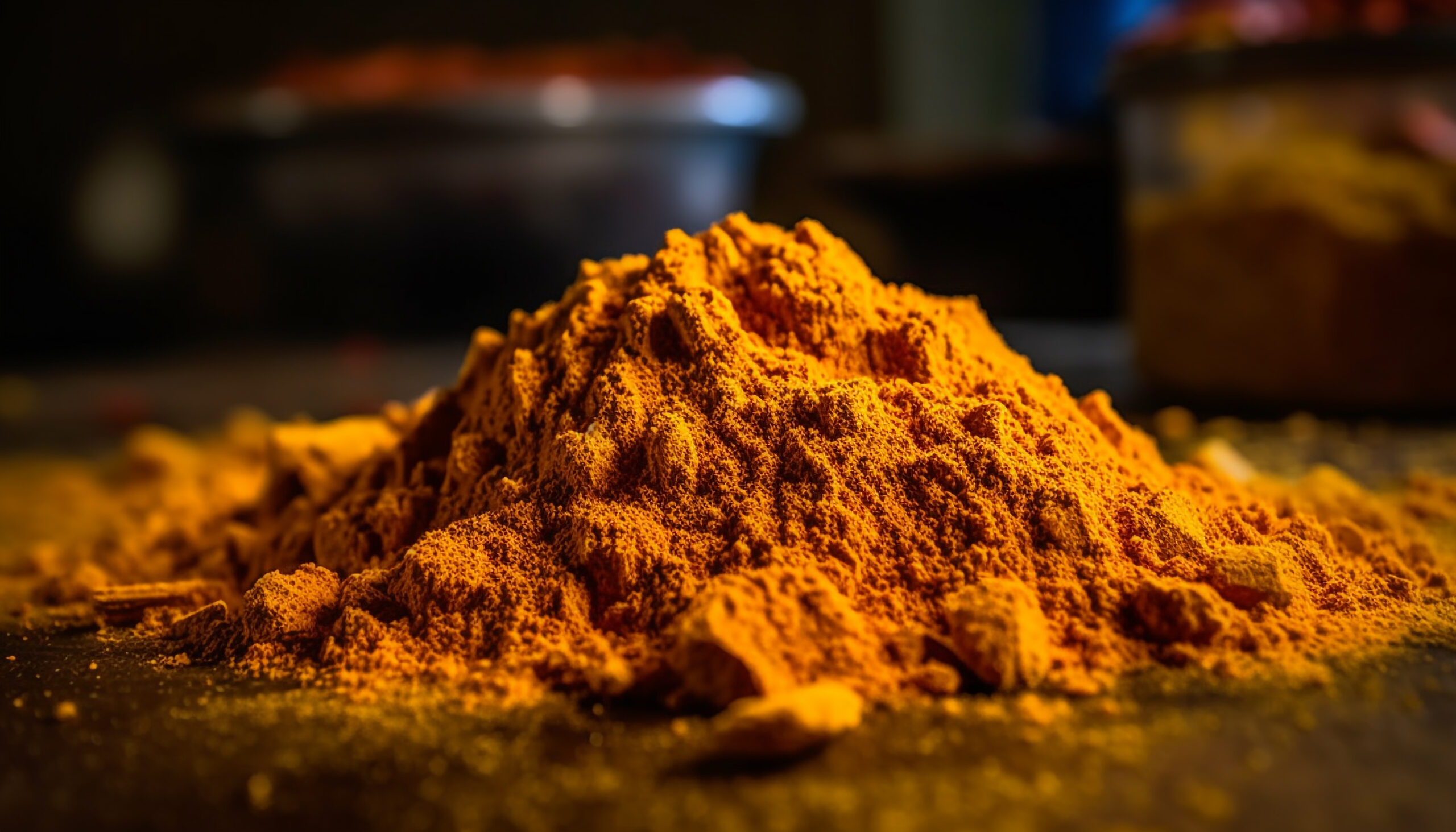
Turmeric is familiar to many as a spice with a bright yellow color, but not everyone knows that its main active ingredient, curcumin, is being actively studied as a natural way to protect the body. It has been shown to be a versatile ally: it helps with inflammation, regulates metabolism, improves diabetes and even supports brain function.
Extracted from the root of the Curcuma longa plant, curcumin belongs to polyphenols, a special class of compounds with pronounced antioxidant properties. Its structure allows neutralizing free radicals, slowing down the aging process and reducing the load on cells.
Due to its stability in the acidic environment of the stomach curcumin does not disintegrate immediately, but has time to affect the internal processes in the body. After entering the intestines and liver, it is broken down into active metabolites, which also participate in the fight against inflammation and oxidative stress. Some of them, such as tetrahydrocurcumin, show even more pronounced effects than the original component itself.
In vitro studies have confirmed that curcumin can reduce the activity of inflammatory pathways and block molecules associated with chronic diseases. It reduces the production of interleukins and other cell-damaging substances in long-term inflammation.
Curcumin has attracted special attention in connection with obesity. It has already been proven: taking 1.5 g per day for a month helps to reduce body mass index. When combined with proper nutrition and physical activity, the effect is enhanced. In this case, curcumin can be taken in the form of capsules or powder, and to make it better absorbed – combined with piperine (a substance from black pepper) or use modern forms with microencapsulation.
This component also affects the processes inside the cells. In small doses it slows down the division of fat cells, and in high doses it activates the “self-destruction program” in those that have already accumulated excess fat. This approach helps stop the development of metabolic syndrome and facilitates weight control.
In addition, curcumin activates the enzymes responsible for breaking down fats and inhibits the accumulation of new ones. It interferes with energy metabolism, accelerating lipolysis and preventing the formation of fat deposits in the liver and tissues.
Its benefits for the brain have not been overlooked either. Curcumin is able to suppress inflammation in the nervous system, reducing the activity of microglia – cells involved in inflammation in Alzheimer’s disease and other age-related disorders. It stimulates the production of anti-inflammatory substances and may support neuronal health.
In clinical trials, curcumin has shown benefits for people with diabetes, fatty liver disease, and even depression. Supplementation for several months reduced levels of inflammatory proteins in the blood and improved insulin sensitivity. There was also an improvement in mood in patients with chronic inflammation and overweight.
An interesting side effect was its positive contribution to gut microflora health. Curcumin increases the number of bacteria that produce short-chain fatty acids, substances that improve metabolism and protect the gut. All this suggests an important role for curcumin in the connection between digestion and brain function.
Although the first results are encouraging, experts emphasize: large-scale clinical observations on a different sample of patients are needed. This is the only way to definitively confirm how stable and universal curcumin’s effects are in the fight against obesity, inflammation and age-related diseases.
Published
April, 2025
Duration of reading
4-5 minutes
Category
Medicine
Share


Don’t miss the most important science and health updates!
Subscribe to our newsletter and get the most important news straight to your inbox