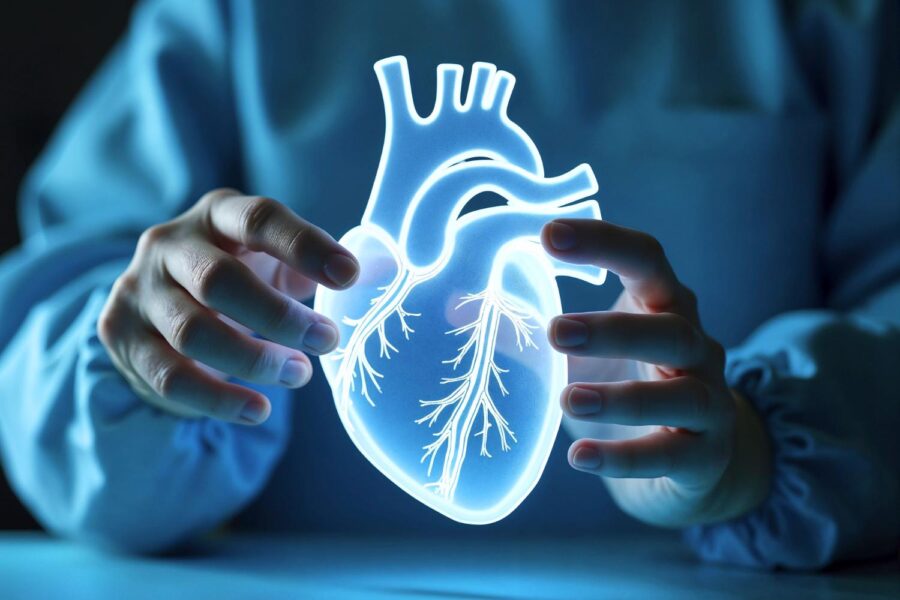
Metabolism is able to control the aging of the heart
Many people tend to believe that heart health and the rate of aging depend entirely on the genetic lottery: which cards nature has dealt, you have to play with. A new study by the German Center for Cardiovascular Research (JZHK) proves that heredity is not the final verdict. Experts have found that not only the presence of certain genes plays a key role, but also how metabolism controls their work. Metabolism acts as the main conductor, able to turn on and off genetic programs. A publication in the journal Nature Metabolism describes a mechanism that allows you to reset epigenetic switches inside cells.
The scientific group focused on the protein lamin A/C. For a long time, biologists considered it a simple builder that strengthens the shell of the cell nucleus and protects DNA. But Professor Gergana Dobreva and her team discovered an unexpected second function in it.
Lamin A/C controls the processing of cysteine, an amino acid that enters the body with food. If this protein is not enough, the process of cleavage of cysteine goes wrong. As a result, metabolic byproducts accumulate in the cell, which knock down the settings of epigenetics. Because of this, genes begin to activate at the wrong time, the development of heart cells is disrupted, and the organ begins to lose its functions.
The most important part of the discovery is that this process is reversible. As soon as the scientists artificially adjusted the cysteine metabolism, the epigenetic switches returned to their normal position. The heart cells began to develop properly again, and the damage to the genetic material decreased.
This method has worked even on models of rare hereditary diseases (laminopathies), which usually lead to rapid aging of the body. Restoring the balance of substances in the cell helped to slow down the destructive processes. The results confirm that cellular metabolism is a powerful command center. By influencing it, you can control the fundamental programs of the body.
Dr. Inuo Wang, the lead author of the paper, notes that although genetic lamina diseases are rare, understanding this mechanism will help millions of people. Doctors have received a new goal for therapy: instead of trying to rewrite DNA, they can try to adjust the metabolism so that the heart works and ages at a healthy rhythm.
Published
February, 2026
Category
Science
Science
2-3 minutes
Share


Source
Scientific Journal Nature Metabolism. Article: Lamin A/C-regulated cysteine catabolic flux modulates stem cell fate through epigenome reprogramming
Don’t miss the most important science and health updates!
Subscribe to our newsletter and get the most important news straight to your inbox