The brain continues to overreact to negativity after depression
Depression is an insidious condition. Even if you feel great today, according to statistics, up to 80% of people experience a repeat episode within five years. It seems that everything is over: the person has coped with depression, the symptoms are gone, life is getting better: but even after full recovery, the human brain can still react painfully to possible failures. To understand why this happens, researchers from the Netherlands decided to look deeper — right into the brain.
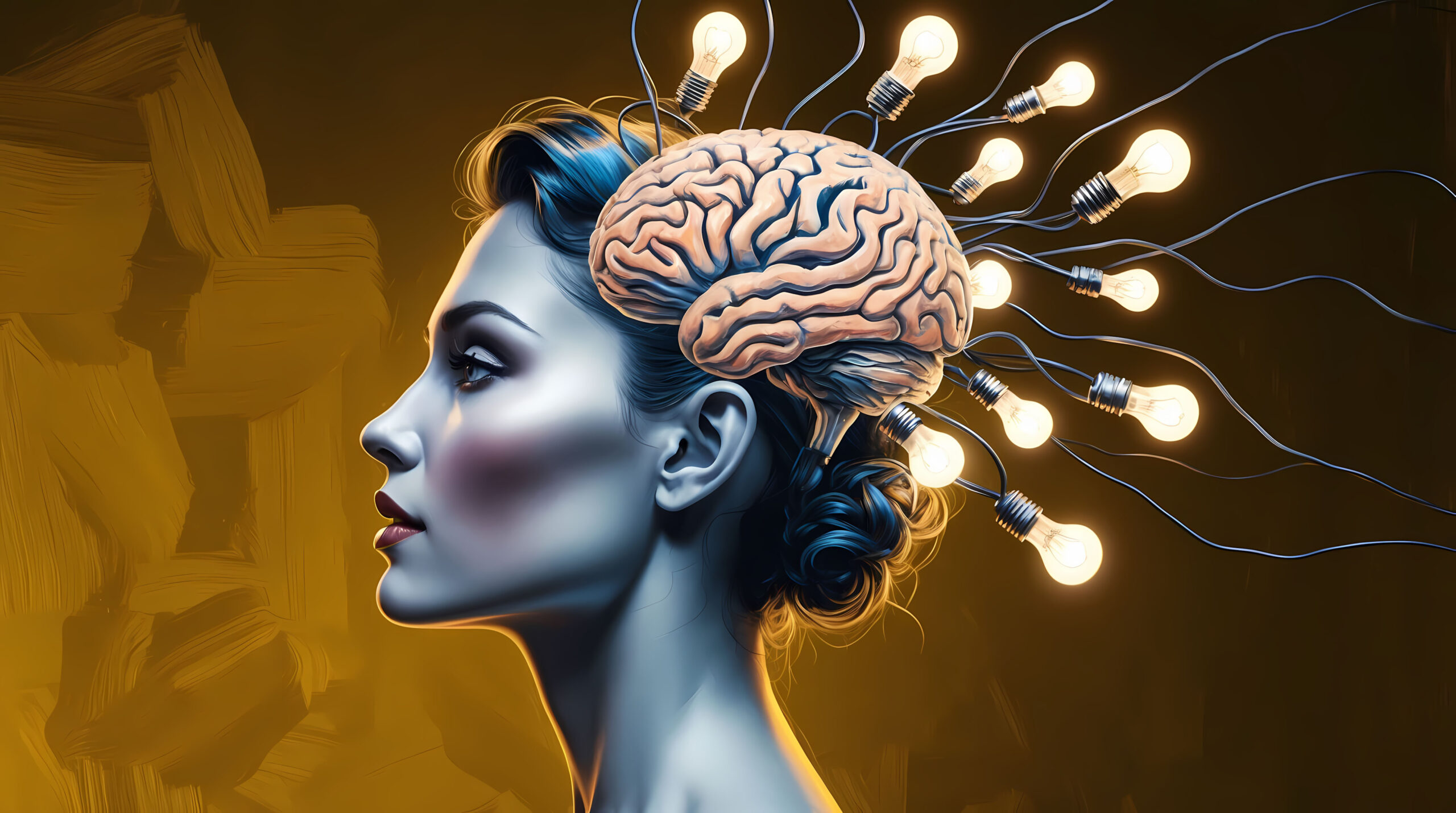
The experiment involved 36 people with a history of recurrent depression and 27 healthy participants. All of them underwent an MRI scan of the brain while studying the relationship between a neutral image and an unpleasant taste — bitterness, which caused disgust. It sounds simple, but at that moment the brain was telling much more than it seems.
Special attention was paid to a small but important part of the brain — the so-called “gabenule”. She reacts to the expectation of an unpleasant event and controls the signals associated with punishment. For those who had previously suffered from depression, this zone reacted more actively when expecting something bad. And not when the trouble had already happened, but when it was just looming on the horizon.
In addition, the brains of these participants were less able to coordinate work between the gabenula and other areas responsible for positive emotions and the reward system. That is, even if a person is outwardly calm, his brain may remain in a state of anxious expectation.
Researchers believe that it is precisely this sensitivity to potential setbacks that can hinder true recovery. This explains why, even after the diagnosis is removed, people sometimes fall back into a depressive state — their brain does not seem to let go of the past.
In the long term, this discovery may help doctors better understand who is more at risk of relapse. And most importantly, to develop targeted prevention methods aimed not only at eliminating symptoms, but also at reconfiguring brain reactions.
So if you or your loved ones have experienced depression, remember: this is not only about mood, but also about how the brain perceives the world.
Published
June, 2025
Duration of reading
2-3 minutes
Category
Science
Share


Don’t miss the most important science and health updates!
Subscribe to our newsletter and get the most important news straight to your inbox