MRI shows hidden changes in brain vessels during aging
In the USA, they have come up with a way to see how the smallest vessels in the brain pulsate. This technique helps to understand why the risks of memory problems and Alzheimer’s disease increase with age. The University of Southern California has developed a unique scanning technology. It allows us to examine for the first time how micro vessels in the brain expand and contract along with the heart rate in living people.
We are talking about the so-called microvascular pulsation. These are subtle changes in the volume of blood vessels that occur synchronously with the blood flow. For the body itself, this process is extremely important: rhythmic expansion helps to promote fluids and cleanse the brain of metabolic products. But it turned out that such fluctuations become stronger with age, and this is not always beneficial.
White matter, which connects different parts of the brain into a single system, is particularly vulnerable. It is there that the vessels begin to pulsate more actively, which interferes with the normal nutrition of the tissues. Gradually, this can lead to deterioration of cognitive functions and accelerate the development of dementia.
The authors emphasize that the new data helps to link two previously disparate observations. On the one hand, it has long been known that the stiffness of large arteries and their increased pulsation increase the risk of stroke and vascular disorders. On the other hand, in diseases like Alzheimer’s, small vascular lesions are found in patients. Now there is a missing piece of the picture: excessive fluctuations in microvessels really affect brain health.
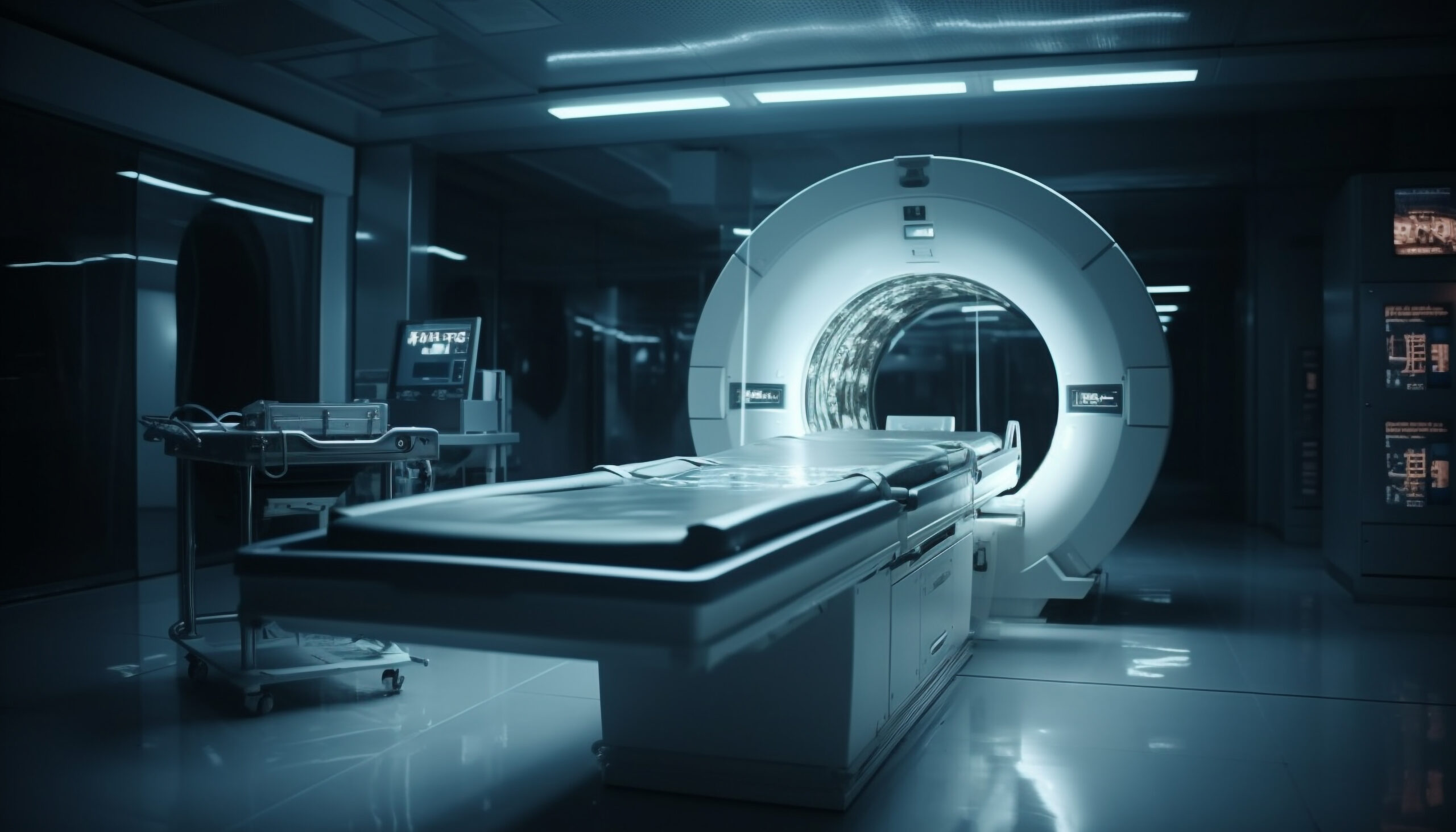
To achieve this effect, the scientists used a magnetic resonance imaging device with a field strength of 7 Tesla, which is a super-powerful device capable of examining the smallest structures. They combined two modern MRI techniques and were able to track even minimal changes in vascular volume.
It turned out that these pulsations are noticeably higher in the elderly than in the young, and the presence of hypertension further enhances the disorders. Such data is important not only for science, but also for practice.: Over time, such methods may help identify people at high risk of dementia long before the first symptoms.
Experts are currently working to adapt the technique to more common 3 Tesla CT scanners. They are used in many clinics, and if the new algorithms work, the technique will be able to go beyond scientific laboratories.
The prospects are wide. The ability to measure microvascular pulsation in real time gives doctors a chance not only to better understand the mechanisms of brain aging, but also to develop prevention methods. In the future, such studies may form the basis of new methods for the diagnosis and control of treatment of Alzheimer’s disease and other disorders associated with vascular damage.
Published
September, 2025
Category
Medicine
Duration of reading
3—4 minutes
Share


Source
Scientific journal Nature Cardiovascular Research. Article: «Assessing cerebral microvascular volumetric with high-resolution 4D cerebral blood volume MRI at 7 T»
Don’t miss the most important science and health updates!
Subscribe to our newsletter and get the most important news straight to your inbox