Scientific look at popular skin care ingredients
The modern cosmetics industry is experiencing rapid growth thanks to active ingredients that promise to improve skin condition. However, the popularity of many ingredients outstrips scientific verification: before their effectiveness is clinically confirmed, they are already widely used in care products. The review, published in the international journal News Medical Life Sciences (UK), analyzes data on ingredients such as niacinamide, retinol, vitamin C, hyaluronic acid, peptides and sunscreens. Experts have reviewed their potential benefits, safety, and research gaps.
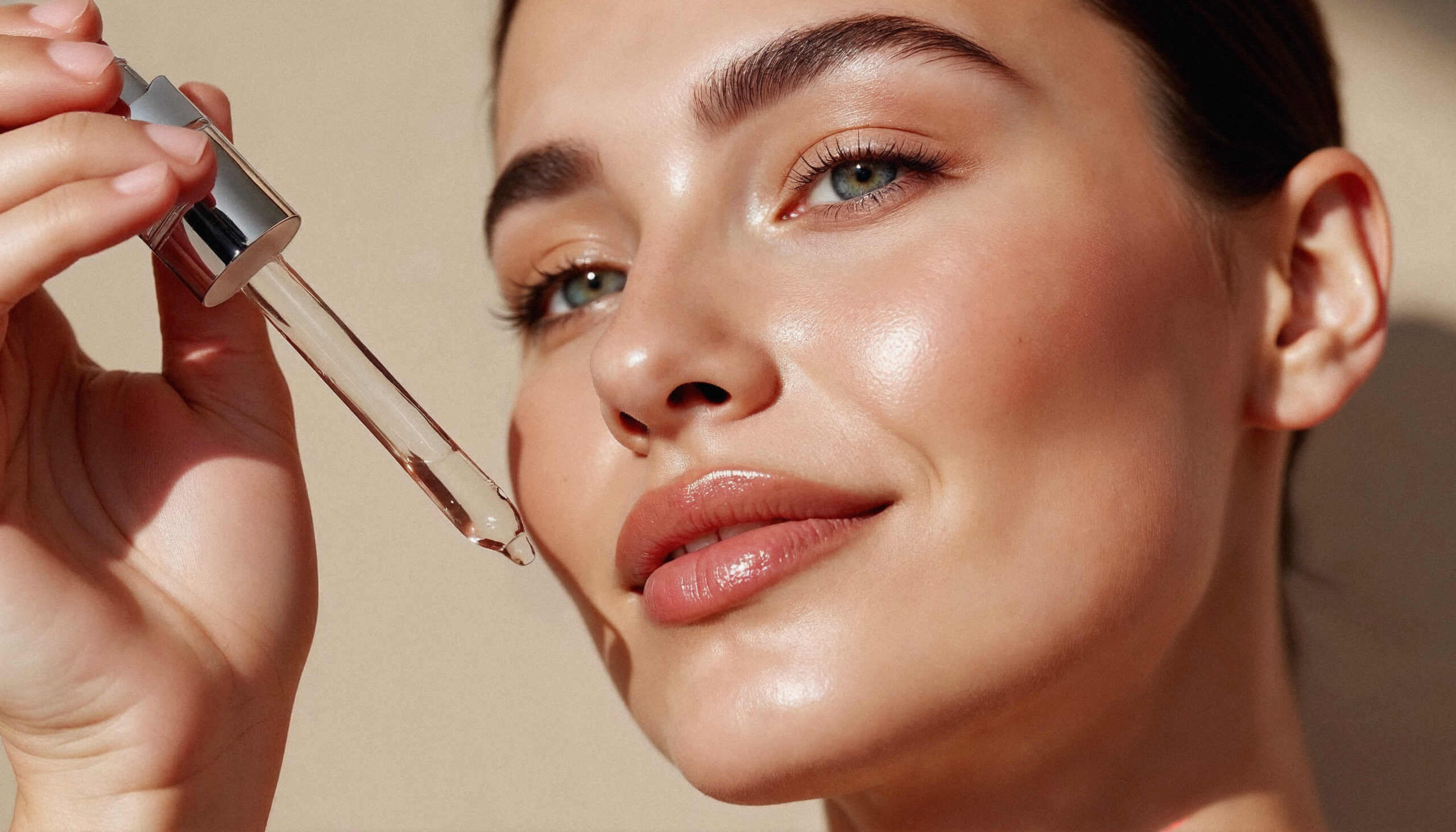
Niacinamide (a form of vitamin B3) increases the level of coenzyme NAD⁺ in skin cells, improves DNA repair, enhances antioxidant protection, strengthens the skin barrier and reduces pigmentation. At a concentration of 2-5%, it has proven effective in increasing hydration, smoothing tone, and reducing inflammation in acne and rosacea, while being well tolerated.
Retinoids, including retinol and tretinoin, regulate cell renewal, collagen synthesis, and epidermal thickening. Clinical studies show that tretinoin (0.05–0.1%) and retinol improve skin texture, lighten age spots and reduce wrinkles. However, side effects in the form of irritation and dry skin limit their use. Modern nanocapsulated formulas and combined remedies help to reduce unwanted reactions.
Other active substances also confirm the effectiveness. Vitamin C neutralizes free radicals and stimulates collagen production. Hyaluronic acid actively moisturizes the skin. Acids (AHA, BHA) promote cell renewal and relief alignment. Peptides stimulate the production of collagen and have an anti-inflammatory effect. Sunscreen filters protect against photoaging and DNA damage.
Combined formulas enhance the effect and reduce the risk of irritation. For example, niacinamide combines well with retinoids, softening their effect. The pH level of the products and the delivery methods of the active substances, from liposomes to retinol esters, are also important.
However, gaps remain: most products are tested in small, non-blind studies. There is insufficient data on the long-term safety of new formulas, especially with chronic use. Large-scale, randomized clinical trials are needed, taking into account skin type, age, and genetics.
Overall, ingredients such as niacinamide, retinol, and vitamin C do have potential when used regularly and competently. But the effectiveness and tolerability depend on the composition, dosage and individual characteristics. The scientific approach remains the key to safe and effective skin care.
Published
July, 2025
Duration of reading
2-3 minutes
Category
Medicine
Share


Don’t miss the most important science and health updates!
Subscribe to our newsletter and get the most important news straight to your inbox