Amygdala neurons are the key to anxiety and social problems
Experts have found a special group of cells in the amygdala that controls anxiety and social behavior. Restoring the balance of their activity in the brains of mice helped to restore normal behavior — a new step towards the treatment of mental disorders.
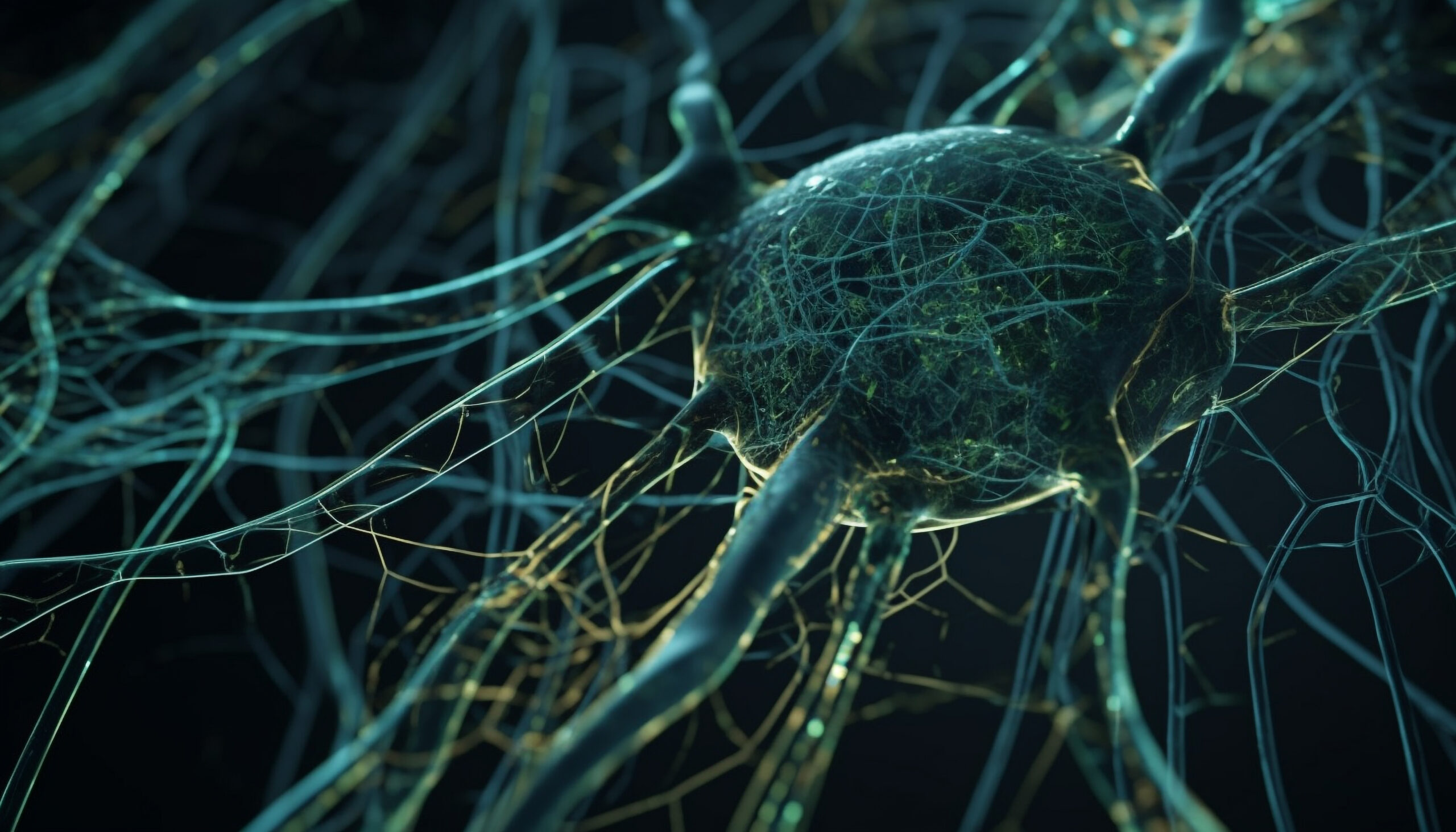
The brain is a complex mechanism, and a lot depends on tiny groups of neurons. Spanish scientists from the Institute of Neuroscience in Elche have discovered that it is in the amygdala — the area responsible for emotions — that a special group of nerve cells is hidden, whose malfunction leads to anxiety, depression and communication problems.
Previously, it was already known that the amygdala is associated with feelings of fear and anxiety, but now scientists have identified a specific subtype of neurons whose excessive activity triggers pathological conditions.
The experiment was conducted on specially bred mice with increased receptor activity, which caused them anxiety and detachment from other mice — very similar to the symptoms in people with autism or schizophrenia.
The team genetically reconfigured the work of these neurons, returning their activity to normal. This led to the restoration of connections between cells in different parts of the amygdala, and after one such correction, anxiety and social disorders disappeared in the animals.
Interestingly, this treatment also helped ordinary mice with a natural tendency to anxiety. This proves that the mechanism found is not accidental, but fundamental for controlling emotions in different individuals.
However, not all problems went away — for example, the memory of objects remained impaired, which indicates the involvement of other parts of the brain, such as the hippocampus.
Accurately working with certain neural circuits may be a more effective and safer way to combat anxiety disorders and social behavior disorders.
Published
July, 2025
Duration of reading
2-3 minutes
Category
Science
Share


Don’t miss the most important science and health updates!
Subscribe to our newsletter and get the most important news straight to your inbox